
AR-15 Complete Uppers, AR-15 Parts, AR-15 Upper Receiver
Left-Handed AR-15 Upper Receivers: What Left-Handed Shooters Should Know Before Buying
Aug
Table of contents
For left-handed shooters, the standard AR-15 setup can create frustrations that right-handed shooters may not experience. Although the brass deflector on a properly functioning standard upper generally directs spent cases away from the shooter, gas and debris from the ejection port can still be distracting, particularly when shooting suppressed. A properly designed left-handed AR-15 upper receiver addresses these concerns by reversing the ejection path. Whether you are assembling a full rifle or upgrading an existing build, understanding the available options helps ensure you select compatible components that deliver reliable performance. This guide explores the key differences, practical considerations, and specific products available to dedicated southpaw users.
Understanding the Core Differences in Left-Handed Designs
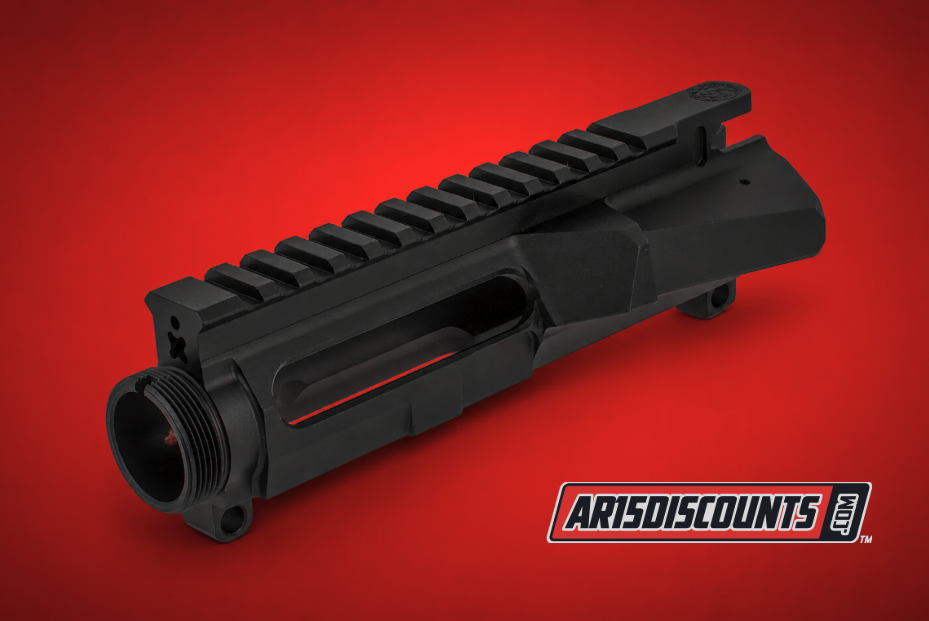
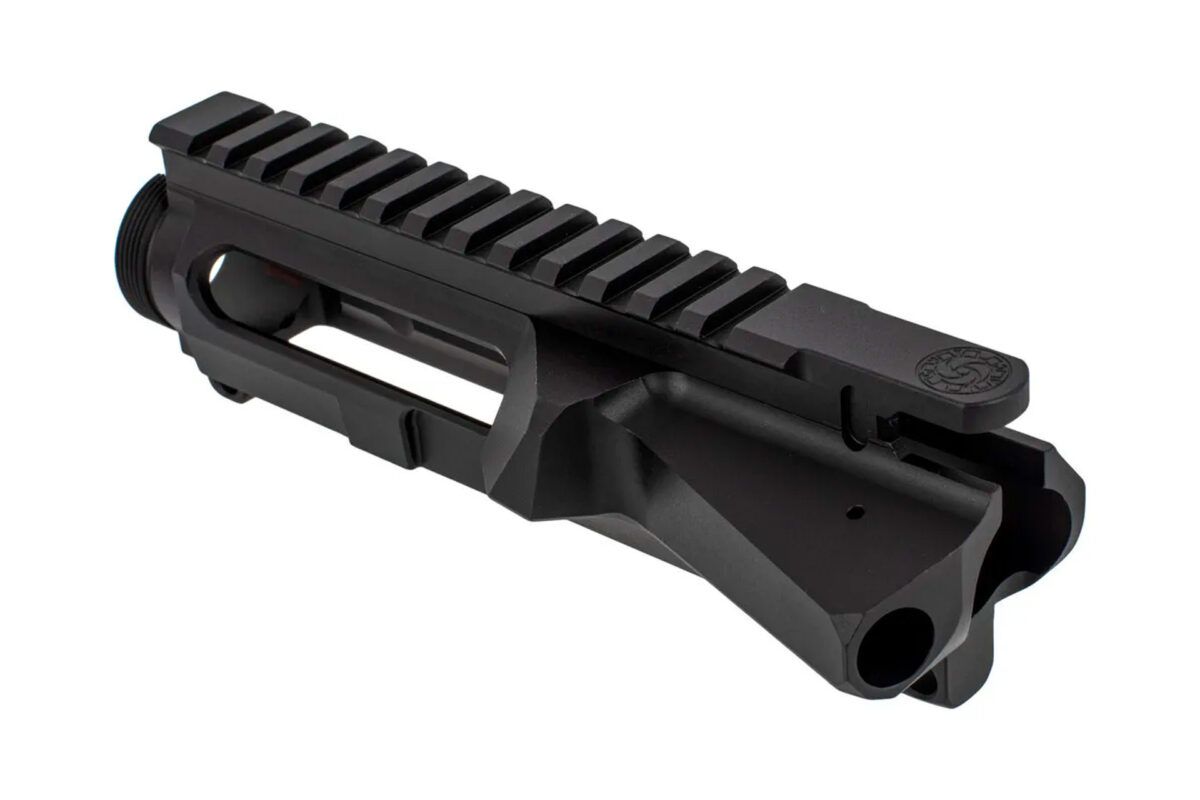
A left-handed AR-15 upper receiver differs from a standard one primarily in the orientation of the ejection port, which sits on the left side of the receiver rather than the right. This change directs spent brass away from a shooter firing from the left shoulder and may reduce the amount of gas and debris reaching the shooter’s face. The forward assist and dust cover remain functional on many models, but their placement and the receiver’s internal geometry are configured for left-side ejection.
A standard AR-15 upper uses a brass deflector to direct cases away from a left-handed shooter, and many southpaws operate standard rifles comfortably. However, a brass deflector does not change the location of the ejection port or completely eliminate gas and debris exiting near the shooter’s face. A true left-eject upper moves the entire ejection process to the opposite side of the firearm.
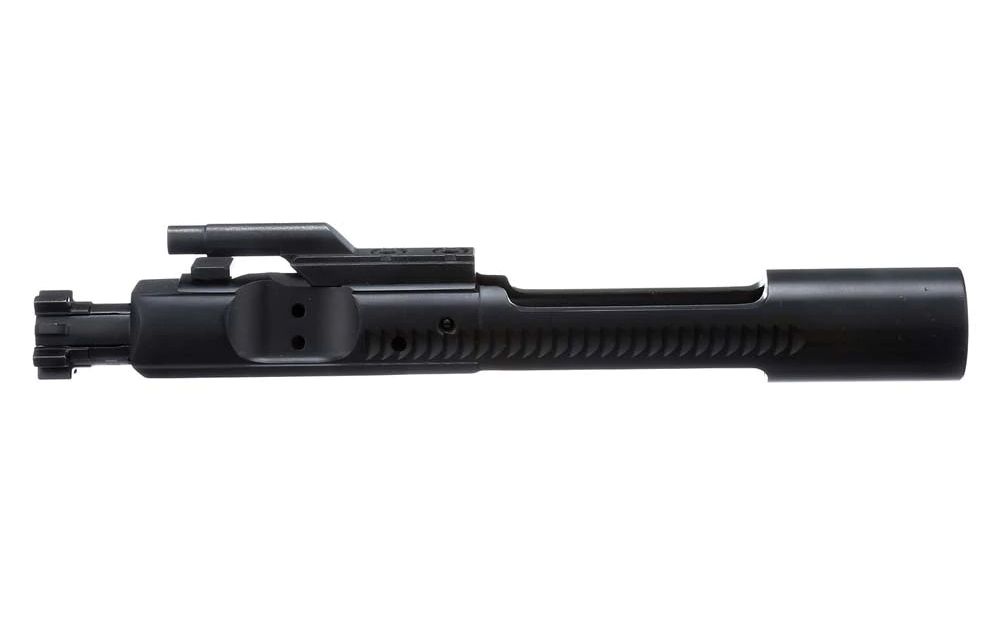
True left-eject systems require a compatible left-handed bolt carrier group because the extractor and ejector must be configured to send cases through the left-side ejection port. Using a standard right-handed BCG with a left-handed upper will prevent proper operation. Other specialized components may include the ejection-port cover assembly and portions of the receiver’s internal machining.
Most standard AR-15 barrels, gas systems, handguards, charging handles, and lower receivers remain compatible because their principal mounting dimensions do not change. However, compatibility should always be confirmed with the manufacturer before combining components from different companies.
A left-handed upper does not relocate the charging handle or the controls on the lower receiver. Shooters who want easier access to the safety selector, magazine release, bolt catch, or charging handle should consider ambidextrous controls in addition to a left-eject upper.
For right-handed but left-eye-dominant shooters, a left-handed upper may be useful if they choose to fire from the left shoulder. Shooters who continue firing from the right shoulder generally gain little from reversing the ejection direction and may prefer a standard upper with ambidextrous controls.
Complete Left-Handed Uppers for Ready-to-Shoot Convenience
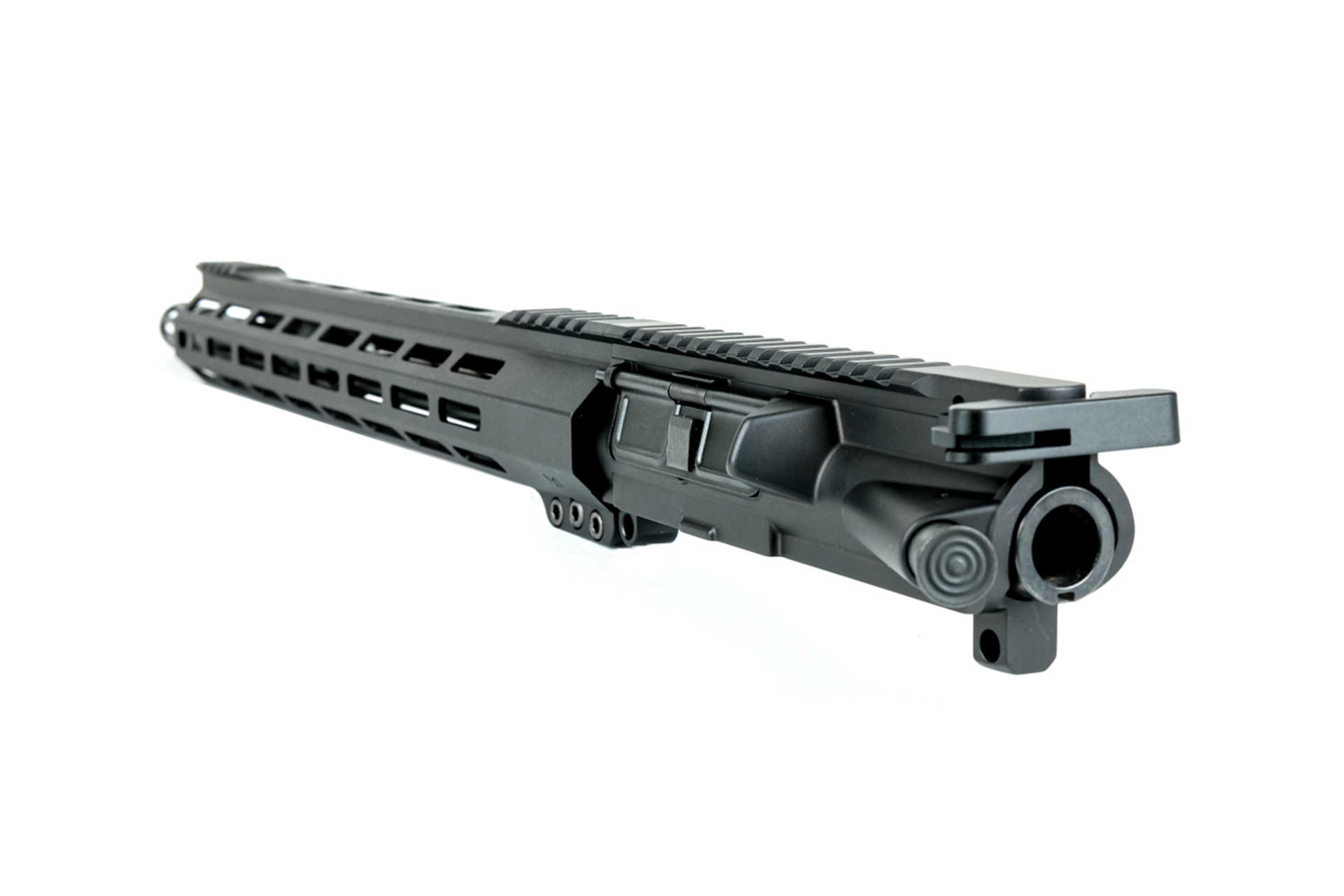
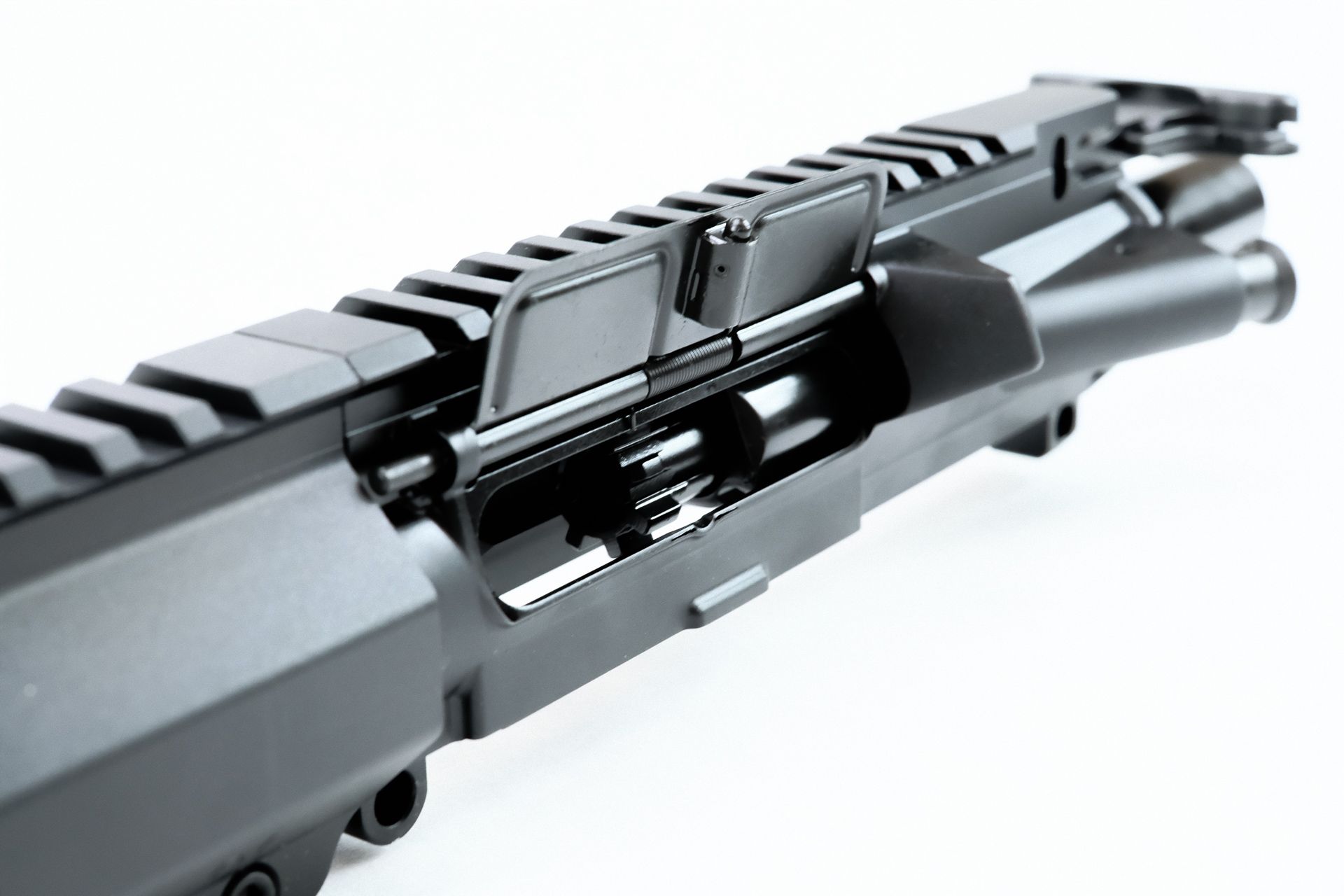
Complete left-handed uppers arrive assembled with the receiver, barrel, handguard, and gas system. Some also include a matching left-handed bolt carrier group and charging handle, while others do not. Buyers should check the product specifications carefully to confirm exactly what is included.
These packages simplify the build process and help ensure that the critical left-eject components work together properly. Confirming the inclusion of the correct BCG, charging handle, muzzle device, and other required components can prevent unexpected additional purchases.
One strong option is the Dirty Bird 16-inch Government Midlength 5.56 M-LOK Left-Handed Complete Upper. It pairs a Stag Arms left-handed A3 forged upper receiver with a black-nitride government-profile barrel featuring a mid-length gas system and 1:7 twist rate.
The assembly includes a left-handed BCG with a salt-bath-nitride finish and a compatible charging handle. The M-LOK handguard uses Dirty Bird’s Anti-Slip, Anti-Lift mounting system. Built in the USA and backed by a limited lifetime warranty, the upper also carries a sub-MOA guarantee and is compatible with most mil-spec AR-15 lowers.
Another option is the NBS 16-inch 5.56 Left-Handed Complete Upper. It uses a Stag Arms left-handed forged A3 receiver that is T-marked and hard-coat anodized, complete with a forward assist and dust cover. The 16-inch black-nitride barrel has a mid-length gas system, is chambered in 5.56 NATO, and can also fire .223 Remington ammunition.
The included NBS left-handed BCG features a 9310-steel bolt that has been magnetic-particle inspected. A mil-spec charging handle also comes standard. Handguard styles may vary between production runs, but the complete upper is backed by the NBS limited lifetime warranty. It can be installed on a compatible AR-15 lower without requiring modifications to the lower receiver.
Stripped and Assembled Left-Handed Upper Receivers for Custom Builds
For builders who prefer selecting their own barrel, handguard, and gas system, stripped or partially assembled left-handed upper receivers provide greater flexibility. Standard barrels and many free-float handguards can be used, and most mil-spec AR-15 lowers accept these uppers without modification. The builder must still use a compatible left-handed BCG and any model-specific ejection-port components.
The NBS AR-15 Left-Handed Slick Side Billet Upper Receiver offers a clean, modern profile machined from aircraft-grade aluminum using five-axis CNC equipment. It lacks a forward assist for a streamlined appearance and weighs approximately 7.1 ounces.
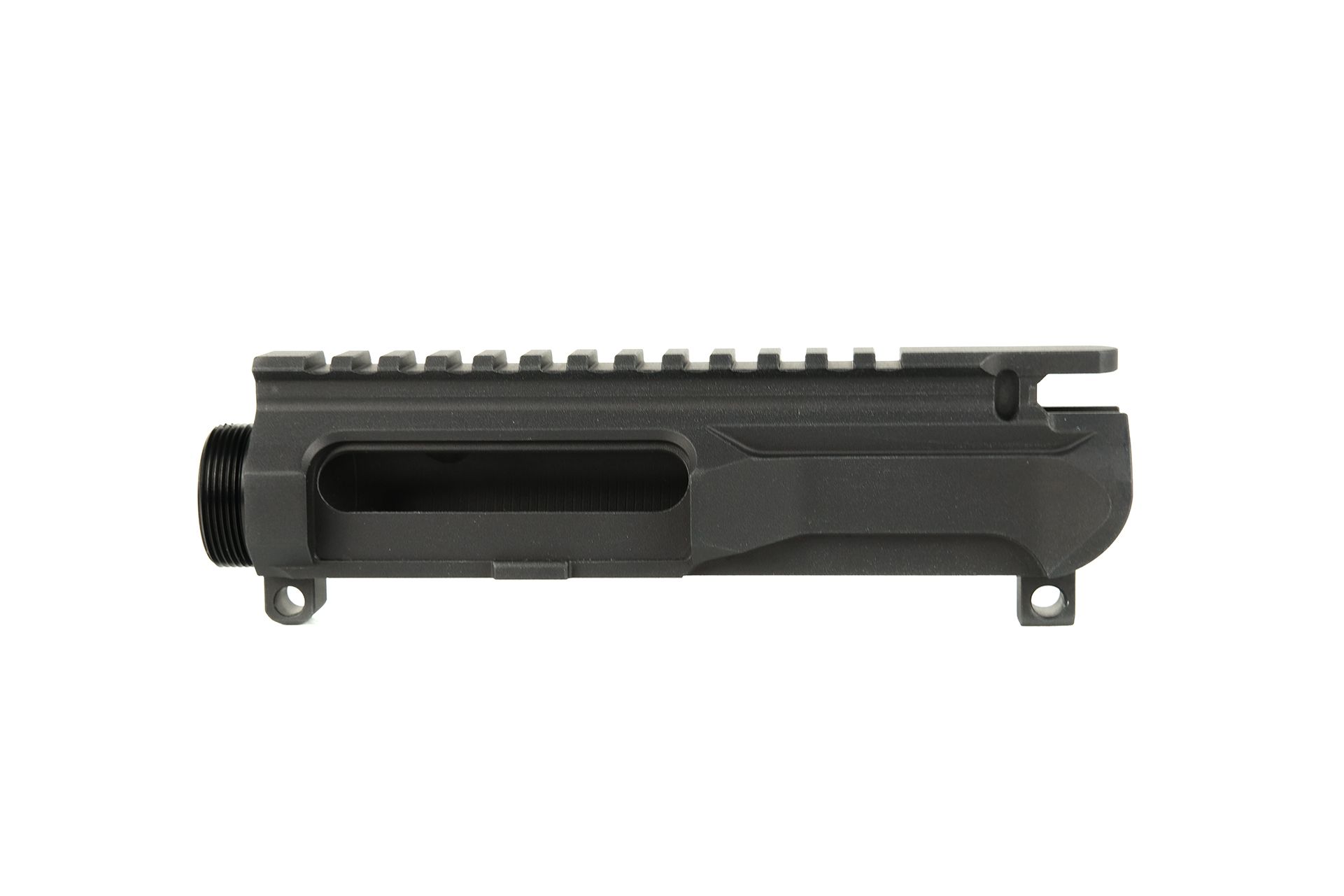
The receiver is compatible with mil-spec forged lowers and most billet lowers and features .250-inch takedown and pivot-pin holes. This USA-made billet receiver carries the NBS limited lifetime warranty and can serve as the foundation for a custom left-eject build when paired with a compatible left-handed BCG.
Cross Machine Tool produces the UPUR-1LH Billet Left-Handed AR-15 Upper Receiver from 7075-T6 billet aluminum with increased wall thickness for additional rigidity. Its hard-coat anodized finish protects against corrosion and wear, while engraved T-marks on the flat-top Picatinny rail assist with repeatable optic placement.
It accepts standard mil-spec upper parts and charging handles, but it requires a Stag Arms left-handed BCG or a comparable left-handed BCG with compatible dimensions. The receiver has M4 feed ramps and is backed by a lifetime warranty against manufacturing defects. It does not accept a standard ejection-port cover or dust-cover assembly.
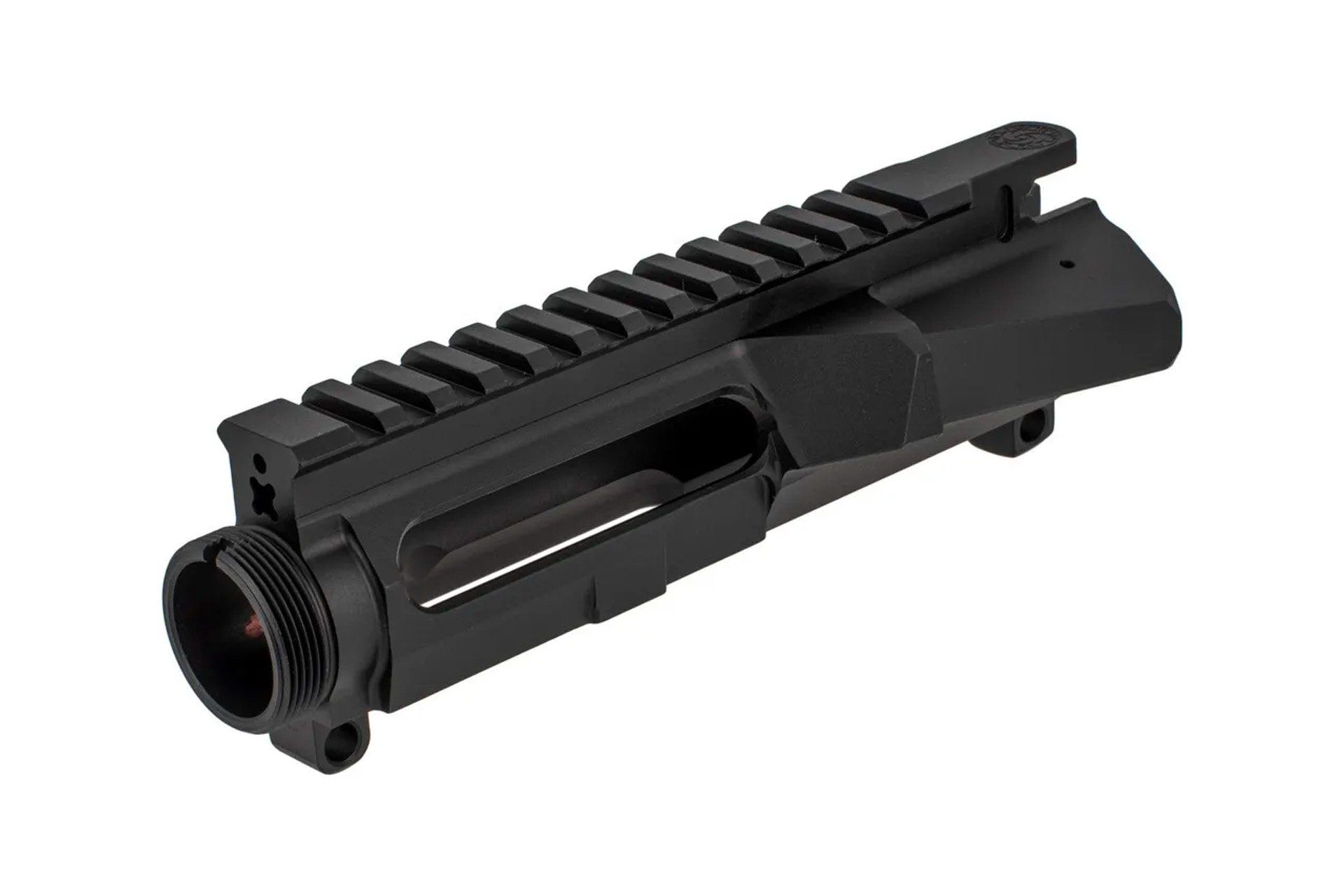
Stag Arms offers its A3 Flattop Left-Handed Upper Receiver Assembly as a forged 7075-T6 option with the forward assist and left-handed dust cover already installed. The hard-anodized receiver includes M4 feed ramps, T-marks, a Picatinny rail, and .250-inch takedown and pivot-pin dimensions.
Available in black and FDE configurations, this design has long served as a popular starting point for left-handed builds. It works with standard AR-15 components except for the specialized left-handed BCG and ejection-related parts.
Aero Precision provides the A3 Flattop Assembled Left-Handed Upper Receiver, which is forged from 7075-T6 aluminum. It arrives with the left-handed port door and forward assist installed and includes laser-engraved T-marks, M4 feed ramps, and .250-inch takedown and pivot-pin holes.
The anodized black finish and completed upper-parts installation provide a ready-to-build platform that must be paired with a compatible left-handed BCG.
Practical Considerations When Choosing a Left-Handed Upper
A brass deflector allows many left-handed shooters to operate a standard AR-15 safely and comfortably. Nevertheless, it cannot relocate the ejection port or completely eliminate gas and debris leaving the receiver near the shooter’s face. This can be especially noticeable when using a suppressor, which may increase backpressure and the amount of gas exiting through the action.
A true left-eject upper can provide greater comfort and reduce distractions during extended shooting sessions, training, or competition. The disadvantages include a higher cost for specialized components and a narrower parts selection compared to conventional right-eject AR-15 components.
Replacement parts are available through dedicated manufacturers, but they may not be as widely stocked as standard components. Frequent shooters may want to keep a compatible spare bolt or complete left-handed BCG available. Builders should also verify ejection-port-cover compatibility because some left-handed receivers require proprietary components, while certain slick-side models do not accept a dust cover at all.
The decision ultimately depends on how frequently the shooter uses the rifle and whether the standard ejection system creates a meaningful problem. Many left-handed shooters perform well with standard uppers and ambidextrous controls. Others, particularly those who shoot suppressed or experience persistent gas and debris near the face, may find a true left-eject system worthwhile.
Selecting the right left-handed AR-15 upper receiver can create a rifle that better matches the preferences of a southpaw shooter. Options range from complete uppers that simplify assembly to billet and forged receivers intended for custom configurations.
By matching the receiver with a compatible left-handed BCG and confirming compatibility with the chosen barrel, handguard, charging handle, and ejection-port components, builders can create a dependable left-eject system. Taking the time to verify those specialized components helps ensure the finished rifle functions as intended for left-handed operation.
A left-handed AR-15 upper has its ejection port on the left side, directing spent cases away from someone shooting from the left shoulder. A standard upper ejects to the right and generally uses a brass deflector to keep cases away from left-handed shooters.
Yes. A true left-eject upper requires a compatible left-handed bolt carrier group with the extractor and ejector configured for left-side ejection. A standard right-handed BCG will not operate correctly in a left-eject upper.
The upper receiver and bolt carrier group are the primary specialized components. Depending on the receiver, the ejection-port cover, forward-assist arrangement, and related hardware may also differ from standard parts.
Generally, yes. Most standard AR-15 barrels, gas systems, barrel nuts, and handguards can be used with a left-handed upper. Compatibility should still be confirmed with the manufacturers, especially when combining billet receivers and proprietary handguards.
Usually, yes. Most left-handed AR-15 uppers accept standard and ambidextrous charging handles because the charging-handle interface remains unchanged. Always verify compatibility with the specific receiver.
It depends on the shooter. Many left-handed shooters use standard uppers comfortably because the brass deflector directs cases away from them. A left-eject upper may be worthwhile for shooters who experience distracting gas or debris near their face, particularly when shooting suppressed.
The primary disadvantages are higher cost, fewer available configurations, and reliance on specialized components. Left-handed BCGs and certain ejection-port parts may also be less widely stocked than standard AR-15 components.
Some are. Standard barrels, gas-system components, handguards, and charging handles remain widely available, but left-handed bolts, BCGs, and model-specific ejection-port parts may be harder to locate. Keeping a compatible spare bolt or BCG can be useful for frequent shooters.
Check the product specifications for a left-handed receiver and compatible left-handed BCG. Also confirm whether the package includes a charging handle, ejection-port cover, forward assist, muzzle device, and any other components needed for operation.
Possibly, but primarily if the shooter fires from the left shoulder. Someone who remains right-shouldered generally gains little from left-side ejection and may be better served by a standard upper with ambidextrous controls.