
AR-15 Basics, AR-15 Lower Receivers, AR-15 Parts
The Most Common Mistakes When Choosing an AR-15 Lower
Aug
Table of contents
- Choosing Price Over Material Strength
- Misunderstanding Forged, Billet, and Cast Construction
- Overlooking Machining Quality and Surface Finish
- Buying from Unknown or Unproven Manufacturers and Sellers
- Ignoring Compatibility Details for Triggers and Controls
- Underestimating the Tools and Process Required for Assembly
- Failing to Match Features to Actual Use
- Overlooking Legal and Transfer Requirements
- Skipping a Careful Inspection After Arrival
- Conclusion
Selecting a stripped AR-15 lower receiver often feels like the easiest step in a build. It is the serialized foundation that houses the trigger, safety, magazine well, and buffer tube interface, and it is the only part that legally constitutes the firearm. Yet many builders treat the decision lightly, only to discover problems once the small parts go in or the upper is attached. A rushed choice can produce fit issues, unreliable function, or an assembly process that turns into a wrestling match.
The most common mistakes usually stem from overlooking material quality, manufacturing details, compatibility, preparation, and legal realities. Avoiding them turns the lower from a potential weak link into a solid base for the rest of the rifle.

TL;DR- Too Long Didn’t Read
Choosing the right stripped AR-15 lower receiver is crucial for ensuring a smooth assembly and reliable firearm performance. Many builders make common mistakes due to oversight in price, material strength, manufacturing details, and legal requirements. Avoiding these errors will create a strong foundation for a successful AR-15 build.
- Do not prioritize low cost over material strength; prefer 7075-T6 aluminum for durability.
- Understand differences between forged, billet, and cast constructions for the intended use.
- Ensure machining quality and surface finish to avoid assembly frustrations and reliability issues.
- Avoid unknown manufacturers or sellers to reduce the risk of receiving counterfeit or faulty parts.
- Check compatibility for triggers and controls, ensuring all parts function cohesively.
- Prepare adequately with the right tools and process knowledge for lower assembly.
- Select features based on actual rifle use to prevent overspending or underperformance.
- Know legal and transfer requirements to avoid compliance issues.
- Inspect new receivers carefully upon arrival to catch defects early.
Choosing Price Over Material Strength
A frequent starting error is grabbing the cheapest lower available without examining the alloy. Many budget options use 6061-T6 aluminum because it is easier and less expensive to machine. It works for light recreational use, but it lacks the tensile strength of 7075-T6, the alloy preferred for demanding applications and the one that meets traditional military specifications.
Polymer lowers appeal for their light weight and lower cost, yet lower-grade versions can feel less rigid and may not hold up as well under repeated stress or extreme temperatures. Builders who prioritize the lowest sticker price often end up with a receiver that shows wear sooner or lacks the structural confidence needed for higher round counts. Investing in proper 7075-T6 material from the beginning prevents that compromise.
Misunderstanding Forged, Billet, and Cast Construction
Neither forged nor billet is automatically superior when made correctly, yet buyers sometimes assume billet is always stronger or that any forged piece will perform equally well. Poor examples of either process should be avoided.
Forged lowers begin as heated aluminum pressed into a die, which aligns the metal’s grain structure and produces excellent strength relative to weight at a reasonable cost. Billet lowers are CNC-machined from a solid block, allowing tighter tolerances, unique contours, flared magazine wells, or integrated features that forged designs rarely match.
Cast lowers sit at the bottom of the quality scale and frequently introduce porosity or inconsistent dimensions that create reliability problems. Matching the method to the intended use, rather than chasing marketing claims, leads to better results.
Overlooking Machining Quality and Surface Finish
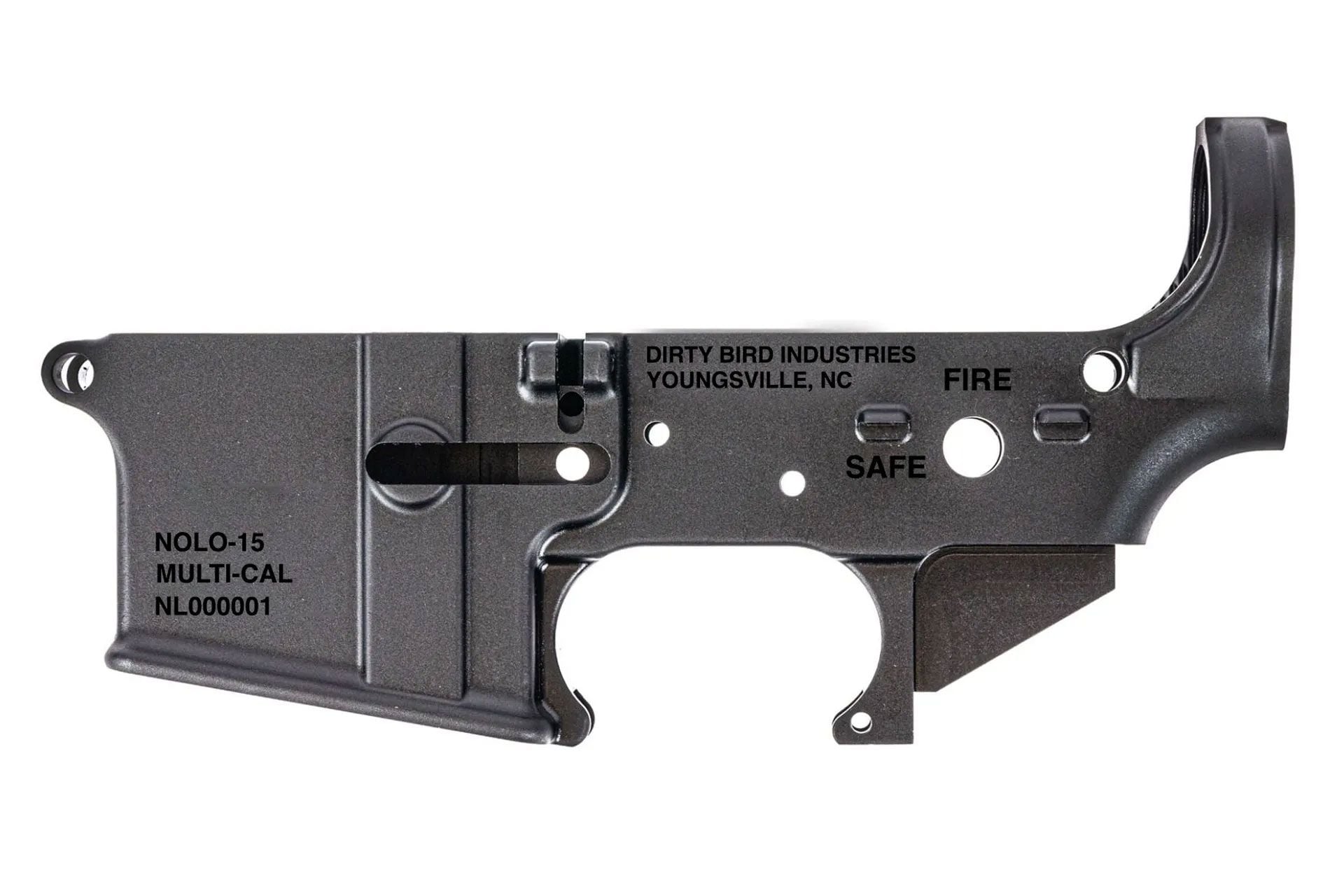
Even a good alloy fails if the machining is sloppy. Misaligned pin holes, rough internal surfaces, inconsistent tolerances, or poorly cut magazine wells create immediate frustration during assembly and can cause magazines to rock or controls to bind. Out-of-spec dimensions often produce excess play between upper and lower or make standard parts difficult to install.
Finish quality matters just as much. Uneven anodizing, thin coatings that flake, or surface defects leave the aluminum vulnerable to corrosion and wear. A durable Type III hard-coat anodize protects the receiver and maintains a professional appearance under hard use. Inspecting photos closely, reading detailed user feedback, and favoring makers known for consistent CNC work help sidestep these issues.
Buying from Unknown or Unproven Manufacturers and Sellers
Skipping research on the company behind the lower is another recurring problem. Unknown brands or no-name imports frequently lack rigorous quality control, offer little or no warranty support, and produce inconsistent results from one unit to the next. The same risk extends to the retailer.
Purchasing from obscure online sellers increases the chance of receiving counterfeit parts, damaged goods, or items that never arrive with no clear path for resolution. Reputable manufacturers and established sellers stand behind their products with clear markings, consistent serial numbers, and responsive customer service. Reviews that specifically mention pin alignment, magwell fit, and long-term durability provide far more useful information than glossy product photos alone.
This is why sourcing from a proven retailer like AR15Discounts.com makes a practical difference. The company is family-owned and operated by firearm enthusiasts who started with a focus on delivering dependable AR-15 components at competitive prices. It has grown into a major online source with dual warehouse operations in California and North Carolina, supporting faster nationwide shipping and a catalog that exceeds 18,000 products.
Customers consistently note competitive pricing, a low-price guarantee that will beat authorized competitors within 48 hours of purchase, and solid customer service that responds quickly when questions arise. The site carries lowers and parts from established brands, backs purchases with satisfaction guarantees, and maintains BBB accreditation along with strong ratings across independent review platforms.
Choosing a retailer with this track record reduces exposure to the quality and support problems that plague lesser-known sellers. It also provides access to educational resources and a wide selection of compatible components, making it easier to complete a stripped lower build without endless cross-shopping or returns.
Ignoring Compatibility Details for Triggers and Controls
Stripped lowers appear universal until the fire control group arrives. Most modern receivers use small-diameter trigger pins measuring .154 inch, while some older designs feature larger pins that limit aftermarket options. Shelf height inside the receiver can also interfere with certain triggers or hammers.
Builders who fail to confirm these details may purchase a high-end trigger only to discover it will not install or function correctly. Magazine well geometry, buffer tube thread standards, and overall dimensions must stay within accepted ranges so that uppers, stocks, and magazines work without force or modification. Assuming every lower accepts every standard lower parts kit is a shortcut that frequently backfires.
Underestimating the Tools and Process Required for Assembly
Many people select a stripped lower without considering what comes next. Tiny detents, springs, and roll pins demand proper tools: a receiver vise block, correctly sized punches, a small hammer that will not mar surfaces, an armorer’s wrench, and a torque wrench for the castle nut. Attempting the job with household tools often damages the receiver or sends small parts flying across the room.
Understanding how the trigger, hammer, disconnector, and safety selector interact is equally important. A trigger that feels great in isolation can produce a gritty pull or incomplete reset if installed without attention to lubrication and pin alignment. Preparing the workspace and tools in advance turns assembly from a source of frustration into a controlled process.
Failing to Match Features to Actual Use
Selecting features that do not align with how the rifle will be used wastes money or creates unnecessary complexity. A basic forged lower with standard controls serves most range and defensive roles well. Competition or left-handed shooters may benefit from ambidextrous controls, a flared magwell, or an integrated trigger guard, yet those additions raise the price and are not essential for every build.
Some lowers include tension screws to reduce upper-to-lower play, while others rely on careful manufacturing tolerances. Over-specifying for a casual rifle or under-specifying for a hard-use gun both lead to dissatisfaction. Defining the rifle’s primary role before shopping keeps the feature list realistic.
Overlooking Legal and Transfer Requirements
Stripped lowers are firearms under federal law. They require a background check and transfer through a licensed dealer. Buyers sometimes overlook state or local restrictions on features, magazine capacity, or overall configuration that can affect which lower is legal to possess.
Confusion between fully stripped receivers, complete lowers, and unfinished 80-percent blanks also creates problems. An unfinished receiver may carry different legal implications depending on current regulations and the amount of machining still required. Confirming compliance before purchase prevents delays, denials, or later complications.
Skipping a Careful Inspection After Arrival
Even a well-chosen lower can arrive with shipping damage or manufacturing flaws. Checking for burrs, misaligned holes, finish defects, or out-of-square surfaces before beginning assembly catches issues while returns are still straightforward. Verifying that the serial number matches the paperwork and that all markings are clear adds another layer of confidence.
Treating the unboxing as an inspection rather than a formality avoids discovering problems after parts have already been installed.
Conclusion
A stripped AR-15 lower is more than a blank piece of metal. It is the component that determines how smoothly the rest of the rifle comes together and how reliably it will function for years. The most common mistakes arise from prioritizing price over material and machining quality, ignoring compatibility details, underestimating the tools and knowledge needed for assembly, overlooking legal or feature-matching considerations, and buying from unproven sources.
Taking the time to evaluate alloy, manufacturing method, manufacturer and retailer reputation, pin and shelf specifications, and intended use produces a foundation that supports every other choice in the build. Sourcing from established sellers who emphasize quality brands, competitive pricing, and responsive support further reduces risk. The result is a more enjoyable assembly process and a rifle that performs as expected when it matters.