AR-15 Accessories, AR-15 Triggers
Forced Reset Trigger Buying Guide: How to Choose the Right FRT for Your Firearm
Aug
Table of contents
Shooters seeking faster follow-up shots on an AR-15 while remaining within semi-automatic limits often turn to forced reset technology. These systems use the bolt carrier group’s rearward travel to push the trigger forward after each shot, shortening the reset so the next deliberate pull can occur sooner. The practical result is tighter split times under sustained pressure on the trigger, yet each round still requires its own trigger function.
This guide explains the core mechanics, current legal framework as of mid-2026, necessary rifle components, the distinction between cassette and selector designs, and the specific attributes of five available options so readers can match a system to their build and local rules.
What a Forced Reset Trigger Is and How It Functions
A forced reset trigger (FRT) or related selector device mechanically drives the trigger into its reset position using energy from the cycling bolt carrier group. In a conventional AR-15 the shooter must fully release the trigger so the disconnector can transfer the hammer back to the sear. That release-and-reengage cycle adds measurable time between shots.
An FRT or forced-reset selector removes most of that delay. After the hammer falls and the round fires, the carrier moves rearward, contacts a lobe, cam, or lever, and forces the trigger forward against the finger. When the carrier returns to battery the mechanism clears, the hammer is released to the sear, and the rifle is ready for the next intentional pull. Because a separate trigger function is still required for every round, these devices have been treated under federal law as semi-automatic rather than machine guns.
Two main architectures exist.
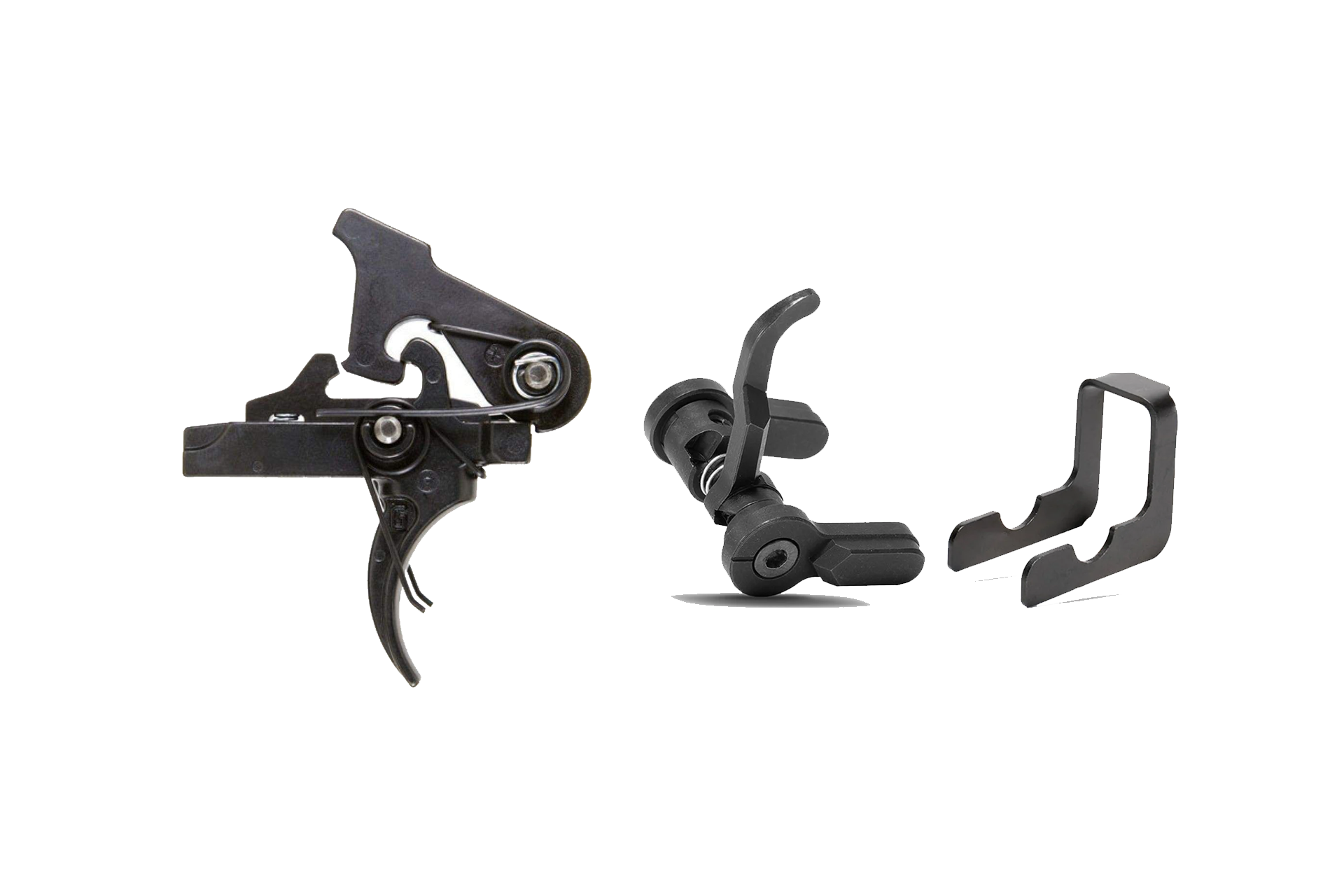
Full drop-in cassette units replace the entire fire-control group (trigger, hammer, disconnector, and usually the selector) with a self-contained assembly.
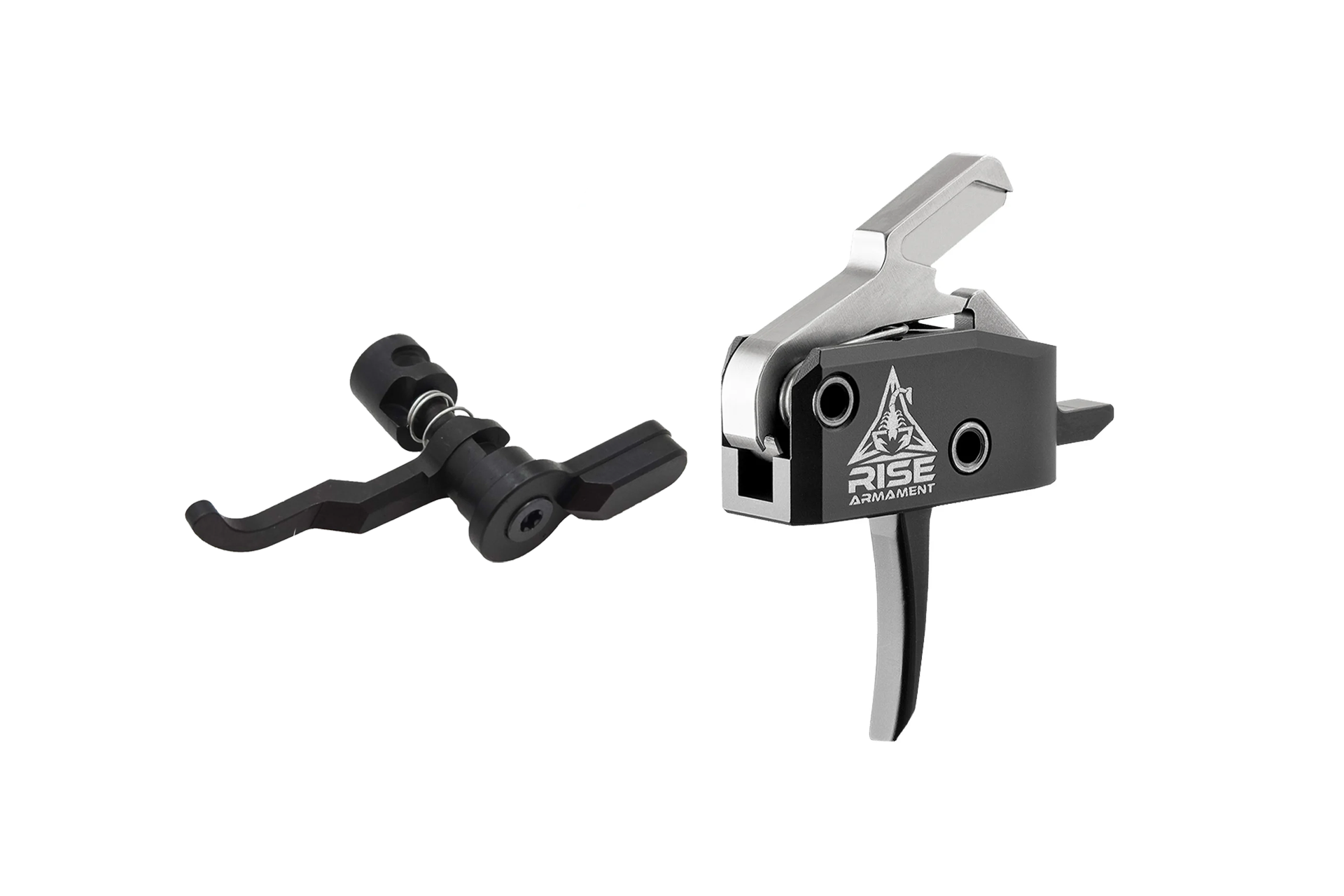
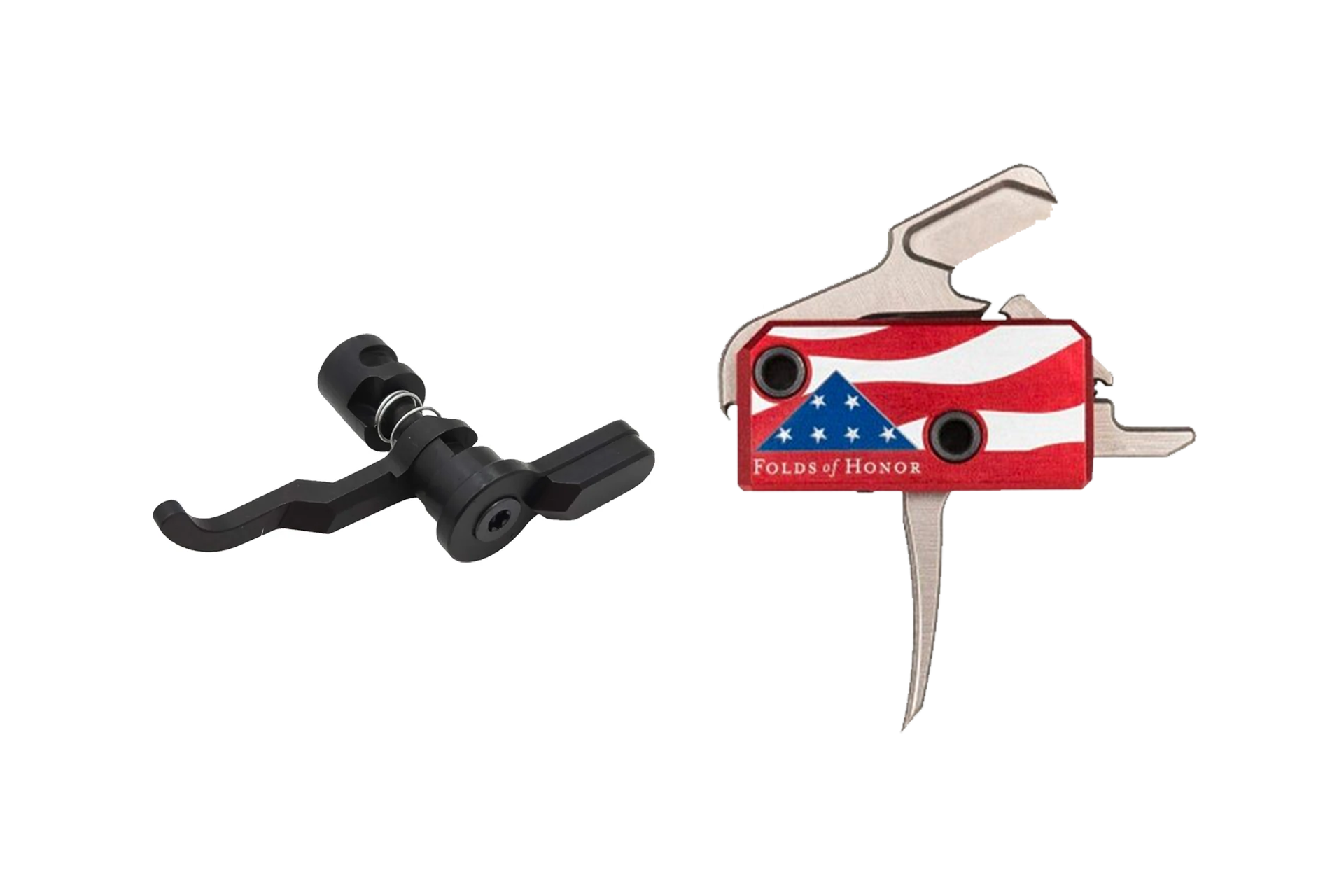
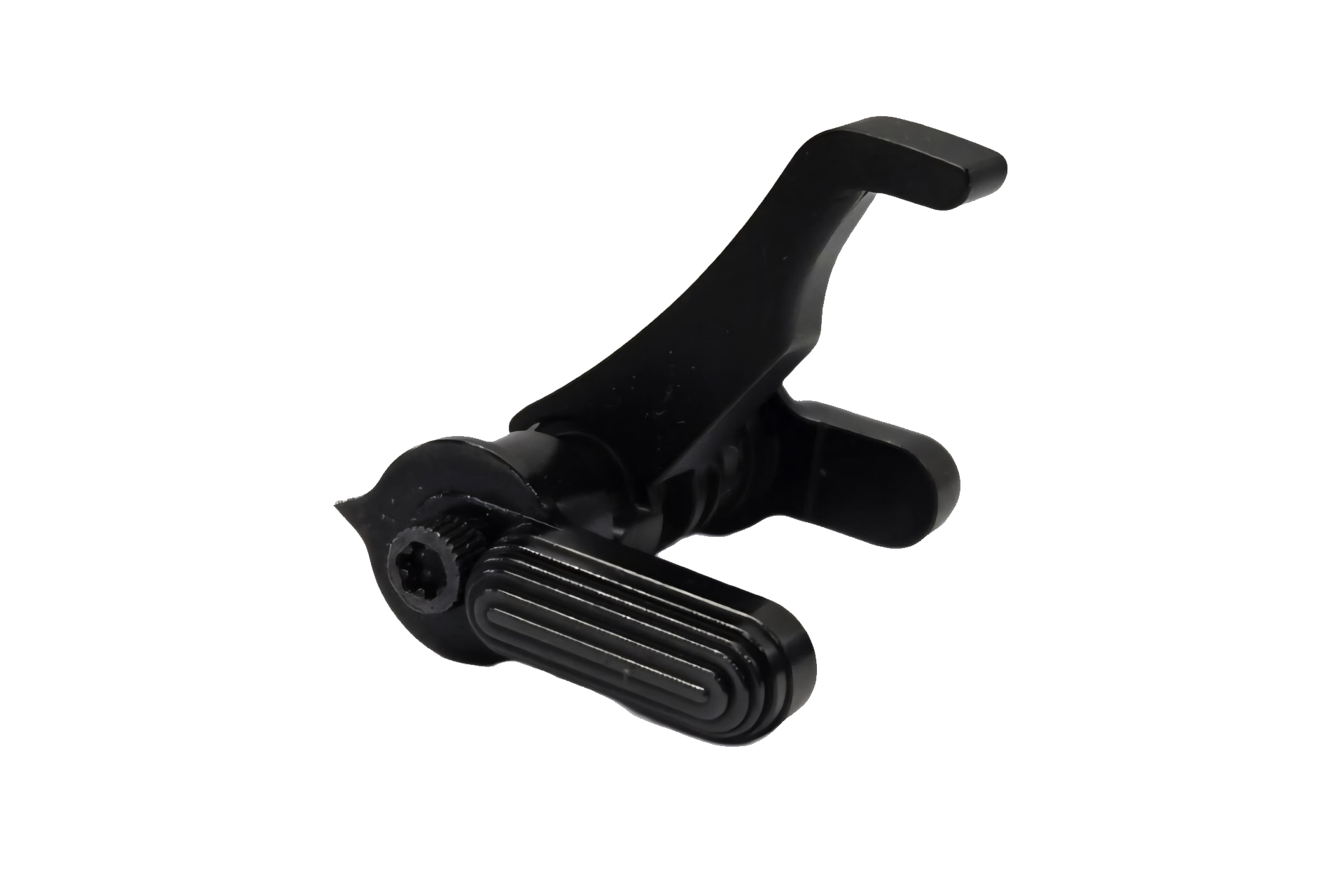
Selector-based systems, sometimes called forced-reset selectors or super selectors, leave the existing trigger group in place and only replace the safety selector. A cam or lever inside the new selector engages the trigger bar during the carrier’s cycle. In the safe and standard semi positions the cam stays clear and the rifle behaves normally; only the third position activates the forced reset.
Legal Status in 2026
Laws and regulations surrounding forced reset triggers (FRTs) continue to evolve and can vary significantly by jurisdiction. Nothing in this guide should be treated as a definitive determination of whether an FRT is legal for you to purchase, possess, or use.
Recent federal court rulings and settlements have affected how federal law applies to certain FRTs, but those developments may be limited to the specific products, parties, or circumstances involved. They should not be assumed to apply to every forced reset trigger on the market. State and local laws may impose separate restrictions regardless of federal policy.
The legal landscape can also change as new laws, regulations, enforcement policies, and court decisions take effect.
Before purchasing an FRT, review the current federal, state, and local laws that apply to you. If you have questions about your specific circumstances, consult a qualified firearms attorney in your jurisdiction rather than relying solely on information provided by a retailer, including this guide.
Rifle Components Required for Reliable Operation
Most systems require a full-profile (M16-style) bolt carrier group so the underside or rear surface can contact the reset lobe or cam. Semi-auto-only carriers that have had the relevant shelf machined away typically fail to complete the reset. Buffer mass is critical: an H2 or heavier buffer (H3 often preferred, especially on barrels 16 inches or shorter) slows the carrier enough for the mechanism to finish its stroke. Lighter buffers commonly produce short-stroking, light primer strikes, or incomplete resets.
An H3 buffer should use tungsten weights; solid or stainless equivalents of the same nominal weight can still cause light strikes.Lower receivers need a low-shelf or full-profile (M16) trigger pocket; high-shelf receivers leave insufficient clearance for selector-based cams. Gas-system tuning and ammunition pressure also affect dwell time.
Most designs are optimized around 5.56 NATO / .223 Remington. Shorter barrels, suppressors, or under-gassed setups may need adjustable gas blocks or heavier buffers. Larger-frame platforms such as AR-10 / LR-308 generally require extensive modification or are unsupported without dedicated versions. Pistol-caliber carbines and certain piston systems can work with extra attention to buffer and carrier geometry but often need verification.
Drop-In Cassette Versus Selector-Based Designs
A cassette FRT replaces the entire fire-control group. Tolerances are factory-controlled, installation is a pin swap, and the unit arrives ready for forced-reset duty. The shooter loses the feel of any previously installed aftermarket trigger.
A selector-based system keeps the existing trigger and its break characteristics in the standard semi position. Installation is usually less invasive and less expensive, and wear on the original trigger components is limited because the forced-reset action occurs only in the third position. Performance depends on the geometry of the host trigger bar; not every aftermarket trigger is compatible without confirmation or additional parts such as a lever blocker.
Key Features to Compare
Evaluate material and heat treatment on the cam or lobe (heat-treated 4140 or tool steel with a durable coating lasts longer under repeated impact). Selector throw angle, lever texture, detent feel, and ambidextrous options affect ergonomics under stress.
Clear manufacturer compatibility documentation, domestic production, and warranty support reduce risk. Price typically falls in the low-to-mid hundreds of dollars; bundles that include a matching carrier or buffer often prove more economical than buying components separately.
Specific Options Currently Available
Atrius Development 3 Position Super Selector Safety
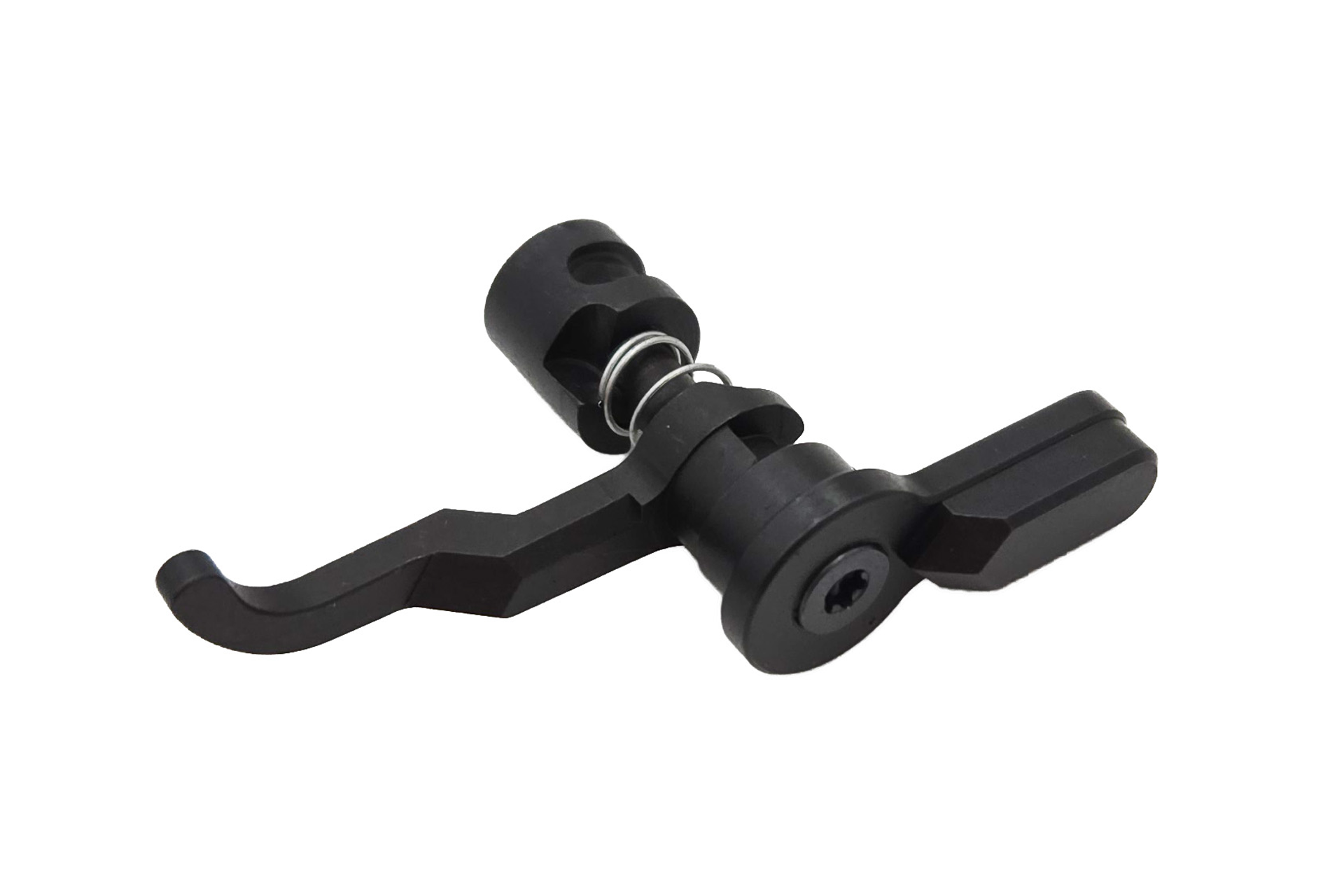
The Atrius Development 3 Position Super Selector Safety (and its mil-spec-style variant) is a selector-based unit machined from heat-treated 4140 steel with a corrosion-resistant black-nitride finish. It replaces only the safety selector and works with mil-spec single-stage triggers that have a squared-off rear trigger bar. A solid lever cam engages the full-profile carrier in the third (super-semi) position. Installation uses a T10 screw and the factory selector spring, torqued to approximately 15 inch-pounds with blue Loctite. Requirements include a low-shelf or full-profile trigger pocket, full-profile BCG, and H2 or H3 buffer. The design preserves the original trigger feel in the standard semi position and is among the least invasive ways to add forced-reset capability. The mil-spec-style version offers traditional lever contours for builds that prioritize a classic appearance.
Partisan Triggers Disruptor
The Partisan Triggers Disruptor (also referenced under The Triggered Company branding in some 2026 materials) is a complete drop-in cassette that replaces the fire-control group and includes its own three-position selector (safe / semi / enhanced). Critical wear surfaces use tool steel and 4140 chromoly. Pull weight is listed in the 3.75–4.1 lb range in semi mode. It is designed for M16-profile carriers and requires a minimum H2 buffer (H3 recommended for shorter barrels). Installation is a straightforward pin swap on a mil-spec lower; anti-walk pins are typically included or recommended. Documented testing exceeds several thousand rounds under demanding protocols.
Active Safety Designs Ambidextrous Arc Fire Trigger Kit V2
The Active Safety Designs Ambidextrous Arc Fire Trigger Kit V2 is a selector-based system using patent-pending Active Reset Clutch technology. It includes hardened (M2 tool steel with DLC coating on key parts) cam, lever, and detent components plus ambidextrous selectors. Multiple throw-angle options (including 45/90, 45/180, and 90/180 configurations) are available.
It retains the existing trigger provided the trigger has the appropriate safety-shelf cut; compatibility extends to certain Geissele, ALG, BCM, and other models (sometimes requiring a lever blocker). Platform support reaches beyond the AR-15 to several additional systems when the matching lower kit or slip-trip is used. The design emphasizes reduced drag and positive tactile feedback relative to earlier versions.
VoidSpec AR-15 Active Cam Reset Device (ACRD15)
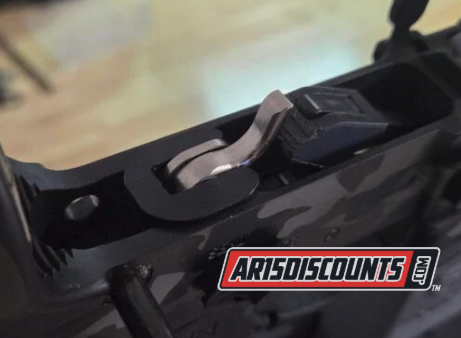
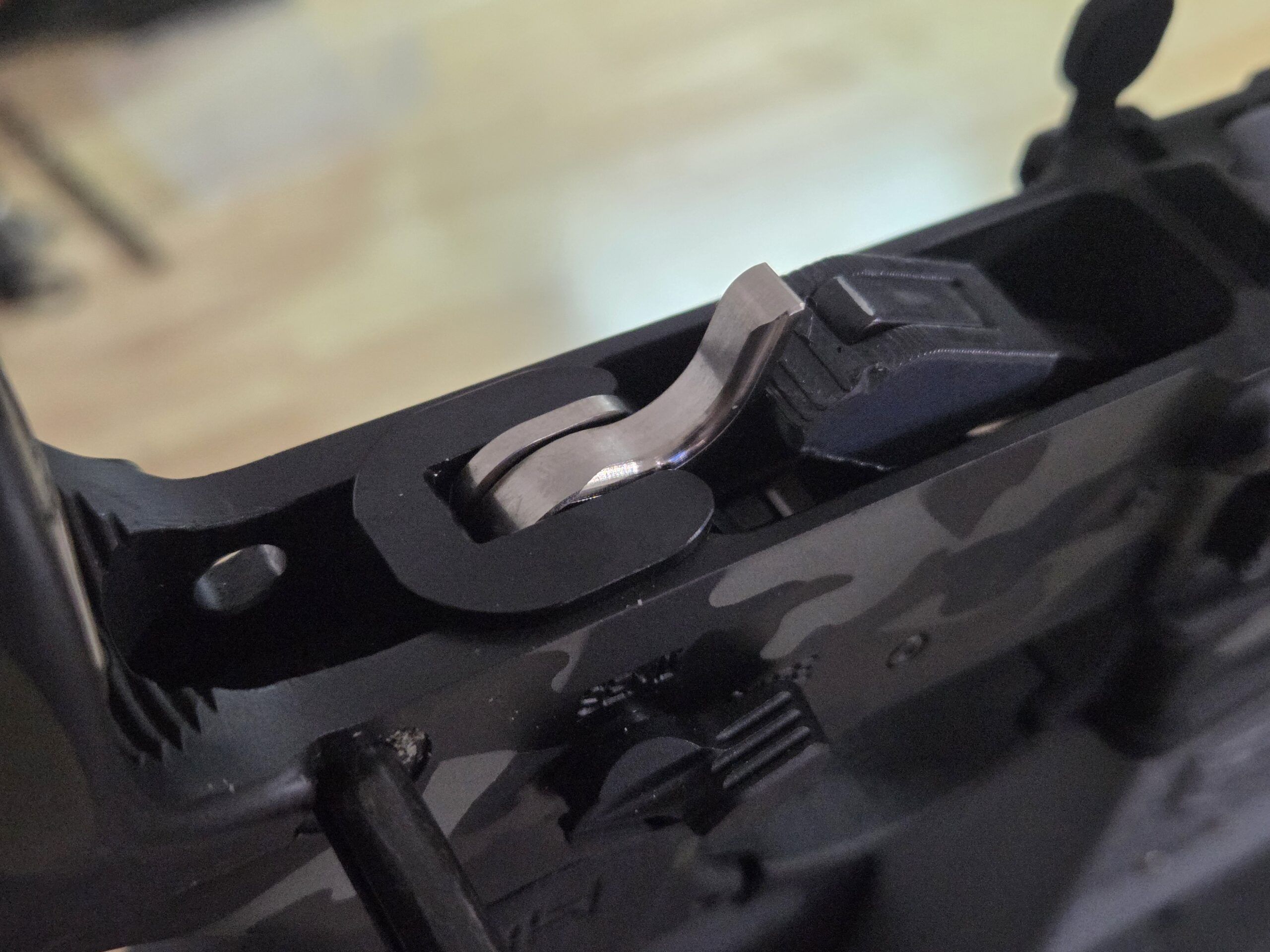
The VoidSpec AR-15 Active Cam Reset Device (ACRD15) is a four-piece module that installs above the safety selector and behind the hammer without removing the existing fire-control group. The housing is CNC-machined from 7075-T6 aluminum; the lever and actuator are cut from D2 tool steel and nickel-plated.
A full-auto-profile carrier rides over the lever on the rearward stroke, driving the actuator that forces the trigger forward and then locks it out until the carrier returns fully into battery. The geometry is designed so the hammer cannot fall while the bolt is out of battery.
The geometry is designed so the hammer cannot fall while the bolt is out of battery. No receiver machining is required on a mil-spec lower. It works with certain 90-degree and M16 three-position selectors and can be used with Geissele triggers when paired with an over-travel device. The original trigger remains in place.
Matching a System to the Rifle
Choose a selector-based unit such as the Atrius Super Selector or Arc Fire V2 when preserving an existing preferred trigger is important and the lower and trigger geometry are confirmed compatible. Choose a cassette such as the Partisan Disruptor when factory-controlled tolerances and a self-contained package are preferred. The VoidSpec module suits builders who want an add-on that leaves every original fire-control part untouched.
Confirm legal status for the jurisdiction and review the manufacturer’s current compatibility documentation before use.
A correctly configured forced-reset system shortens the mechanical reset interval while still requiring a deliberate trigger pull for each round. The decisive factors remain build quality, documented compatibility, legal compliance, and proper supporting components rather than marketing claims alone.