
AR-10 Parts, AR-15 Parts, AR-15 Triggers
Common Mistakes When Checking AR-15 Trigger Compatibility
Aug
Table of Contents
Picking an AR-15 trigger seems straightforward until the part shows up and refuses to fit right. Plenty of shooters order what looks like a solid upgrade only to discover the lower won’t take it, the pins are wrong, or the safety no longer works the way it should. Compatibility problems turn a simple swap into a headache that costs time and money. Checking the details before you click buy is the only reliable way to avoid that mess.
Most AR-15s look alike from the outside, so people figure any fire control group will drop straight in. That assumption causes more trouble than almost anything else. Differences in the receiver, pin holes, and space inside the fire control pocket mean a trigger that runs perfectly in one lower may not work properly in another. Knowing where those differences hide is what keeps an upgrade from becoming a project.
Understanding Platform Differences
Start by confirming the exact platform you have. AR-15 and AR-10/SR-25-pattern rifles share some similarities, and many aftermarket triggers are compatible with both, but that compatibility isn’t universal. Differences between manufacturers and receiver designs can create problems with certain triggers. Always check the trigger manufacturer’s compatibility notes for your specific platform rather than assuming a universal fit.
Even within the AR-15 family, you can run into receivers with different dimensions or proprietary features. Billet construction by itself doesn’t mean a lower is out of spec, but some billet, proprietary, or older receivers can have differences that affect trigger fit. The product page should clearly list compatible platforms rather than relying on a vague “AR compatible” note.
Pin size is the next place people get burned. Most AR-15 lowers use nominal 0.154-inch small pins. Certain Colt rifles, particularly models produced from roughly 1991 through fall 2009, used larger pins measuring approximately 0.169 inch. Drop a small-pin trigger into a large-pin receiver and the parts won’t fit as intended. Measure the pins already in the lower or check the manufacturer’s documentation before you order. Some trigger manufacturers offer separate large-pin versions. Read the listing closely so you know which one you’re getting.
Matching the Trigger Style to the Lower
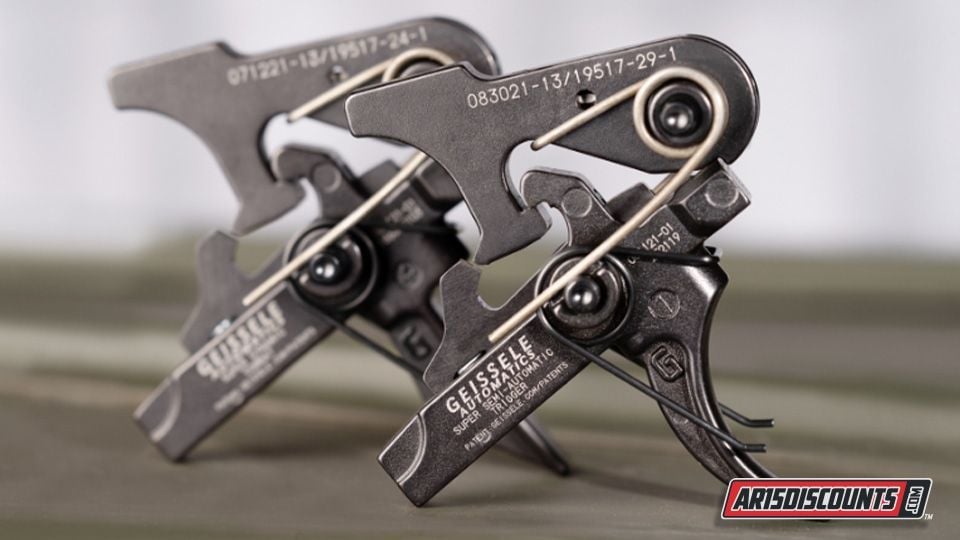
Drop-in units have grown popular because they arrive as a single package and cut down on the chance of mixing springs and parts. They replace the factory trigger group and generally use the existing trigger and hammer pin locations. Traditional component triggers require the individual trigger-group components to be installed separately.
Both styles work fine in compatible lowers. Certain proprietary receivers, however, can have dimensions or internal features that keep some drop-in units from seating correctly. Confirm compatibility between the lower and the trigger before money changes hands.
Caliber and firearm configuration can matter more than people expect. Many triggers designed for a standard AR-15 work across several common chamberings without drama. Some competition designs, however, use spring or hammer configurations that may be less suitable for ammunition with harder primers. Nine-millimeter pistol-caliber carbines and other specialized AR configurations can also have their own compatibility requirements.
Make sure the AR-15 trigger you choose carries no restrictions for your setup or clearly lists your firearm or cartridge among its supported applications. That one check can prevent ignition and reliability problems later.
Safety and Spring Compatibility Concerns
The safety selector has to work with the new trigger. Most aftermarket units follow standard AR-15 geometry, but specialized trigger systems can have different selector requirements. Check the manufacturer’s compatibility information and make sure the trigger and selector combination operates exactly as intended.
If the selector does not properly prevent trigger movement when it should, the firearm should not be loaded or fired until the problem is corrected.
Anti-walk pins create their own confusion. Some drop-in triggers include or require a particular retention system, while other triggers are designed to work with standard pins. Anti-walk pins aren’t automatically necessary just because a trigger is aftermarket.
Follow the trigger manufacturer’s guidance. Installing hardware that wasn’t designed for the trigger can create clearance or fit problems. When special pins are called for, they still have to match the requirements of both the trigger and the lower.
Hammer spring strength is easy to overlook. Some primers require more ignition energy than others, and a trigger set up with lighter competition-oriented components may be more sensitive to ammunition choice. Quality AR-15 triggers generally ship with springs selected for their intended application. Confirm that the trigger is suitable for the ammunition and use you have in mind rather than assuming every trigger is designed around the same ignition requirements.
Installation Details and Legal Considerations
Look at what actually comes in the box. Some triggers include pins and other required hardware. Others expect you to reuse compatible factory parts or purchase additional components separately. If the listing never says pins or other hardware are included, check the manufacturer’s parts list before ordering.
Legal limits finish the checklist. Specialized trigger systems, including binary triggers, forced-reset triggers, and similar designs, can be subject to federal, state, or local restrictions. The legal status of some devices has also changed over time through court decisions, regulatory actions, and settlements.
A setup that is legal in one jurisdiction may be restricted in another. Read the product information for any restricted features and check the current laws that apply where you live before you buy. Don’t rely on an old forum post or article to determine whether a particular trigger system is legal.
Putting It All Together for Reliable Results
Treat the whole process like a systems check instead of a simple parts swap. Confirm the platform, verify the pin size, check the lower and trigger for compatibility, decide between drop-in and traditional components, note any configuration or caliber limits, verify safety-selector compatibility, determine what pins or retention hardware the manufacturer requires, match the trigger to the ammunition you plan to use, check what hardware is supplied, and review the legal side.
Working through those points in order turns a vague product page into a clear yes or no.
Once the correct AR-15 trigger is in place, follow the firearm and trigger manufacturers’ instructions for inspecting and function-checking the firearm while it is unloaded. Live ammunition should only be introduced after the firearm has been confirmed to function properly. If anything about the installation or operation seems wrong, stop and have the firearm inspected by a qualified gunsmith.
A solid AR-15 trigger can give better control, cut down on shooter-induced movement, and make range time more consistent. The real improvement starts with verifying compatibility instead of trusting looks or marketing copy.
Work through each of the factors above and you protect both the rifle and your wallet while getting the performance a quality fire control group is supposed to deliver. The extra minutes spent checking details up front pay off every time you head to the range.