
AR-15 Barrels, AR-15 Basics, AR-15 Parts, Suppressors
How Suppressors Changed the AR-15 Barrel Length Equation
Sep
Table of contents
- Suppressor Length Has Changed the Way Barrel Length Is Judged
- Added Length Is Only Part of the Problem
- Gas Management Matters More on Suppressed Rifles
- Compact Rifle Demand Has Pushed 11.5 and 12.5 Into the Spotlight
- NFA Registration Ends for Suppressors and SBRs
- Have We Reached Peak AR-15 Barrel Optimization?
For years, AR-15 barrel length was discussed mostly in terms of velocity, maneuverability, and legal classification. A 16-inch barrel was the easy civilian standard, a 14.5 offered a shorter carbine feel when configured correctly, and the 10.3- to 12.5-inch range was where shooters went when compactness mattered enough to accept the tradeoffs that came with a short-barreled rifle. That framework still matters, but suppressor adoption has changed the way many shooters evaluate the entire rifle. Barrel length is no longer just a barrel decision. Once a suppressor becomes a permanent or near-permanent part of the setup, total length, muzzle weight, gas behavior, balance, and overall handling all become part of the same conversation.
That shift helps explain why compact rifles continue to get so much attention. Shooters who know a suppressor will live on the rifle often start with a shorter barrel simply because the finished package remains more manageable. A 16-inch rifle may feel perfectly reasonable in bare form, but add a suppressor and the rifle gets longer and more front-heavy very quickly. Starting with an 11.5, 12.5, or 14.5-inch barrel gives the shooter more room to add that length later without ending up with a rifle that feels cumbersome.
Suppressor Length Has Changed the Way Barrel Length Is Judged
The biggest change is that barrel and suppressor length are increasingly being evaluated together instead of separately. In the past, it was common to choose the barrel first, finish the rifle, and then decide whether to add a suppressor later. That often led to a setup that worked well unsuppressed but became noticeably longer and more nose-heavy once the can was installed.
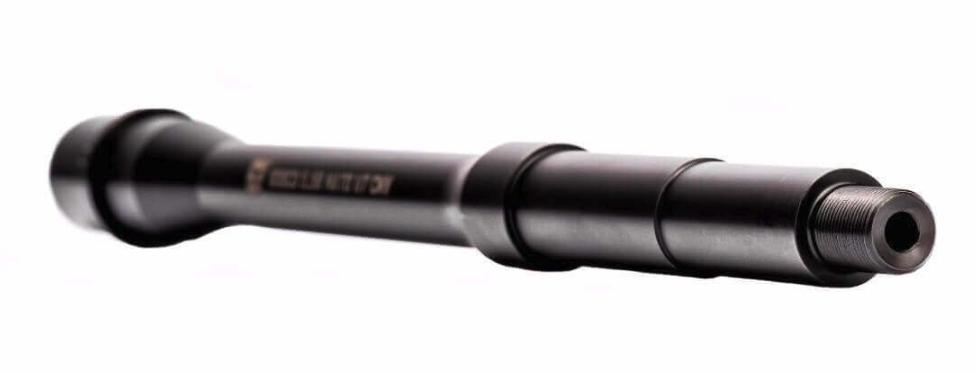
A better approach is to think about the finished rifle from the beginning. If a suppressor is going to stay mounted most of the time, then its added length and weight should influence the barrel choice just as much as velocity or gas-system preference. A 12.5-inch barrel with a suppressor may end up close in overall length to a traditional unsuppressed carbine, while the same suppressor on a 16-inch barrel produces a noticeably longer package.
That difference becomes especially relevant around vehicles, barricades, tight shooting positions, or anywhere the rifle has to move quickly without excessive length in front of the support hand. The numbers themselves are not dramatic, but once several inches of barrel and suppressor are stacked together, they become much easier to feel.
Added Length Is Only Part of the Problem
Overall length gets most of the attention, but weight distribution may be even more important. A suppressor adds weight at the farthest point from the shooter, which has a much greater effect on handling than the same amount of weight located near the receiver. Add a weapon light, laser, heavier barrel profile, or front sight and the rifle can begin to feel front-heavy even when the total weight still looks reasonable on paper.
This is why shorter barrels often feel more useful once a suppressor is involved. Removing two or three inches of barrel does more than lower the rifle’s total weight. It shifts the balance point rearward before the suppressor is added. Once the can goes back on, the rifle may still carry its weight more naturally than a longer barrel wearing the same setup.
That does not mean a shorter rifle will always balance better. Barrel profile matters, suppressor weight matters, and accessory placement matters. A lightweight 14.5 can feel quicker than a heavy 12.5, and a short rifle can still become nose-heavy if enough equipment is mounted forward. The point is that suppressor use has made weight distribution a much bigger part of the barrel-length decision than it used to be.
Gas Management Matters More on Suppressed Rifles
Shorter barrels solve some problems and introduce others, especially once a suppressor is involved. The relationship between barrel length, gas-port location, dwell time, suppressor backpressure, buffer weight, and ammunition all affect how the rifle behaves.
A rifle that runs smoothly unsuppressed can feel very different once a suppressor is mounted. Depending on the gas system and suppressor, the shooter may see faster bolt velocity, more gas at the face, increased fouling, or a harsher recoil impulse. This is where the idea of simply choosing the shortest barrel possible starts to break down.
A well-sorted compact rifle is not just short. The gas system, buffer system, barrel, suppressor, and ammunition all need to work together. That is why two rifles with the same barrel length can feel completely different once suppressed. One may run smoothly and stay comfortable, while the other feels overgassed and unnecessarily violent.
Modern low-backpressure and flow-through suppressor designs have added another variable. They can reduce some of the gas problems associated with traditional suppressors, which gives builders more flexibility, but they do not remove the need to think about the operating system as a whole.
Compact Rifle Demand Has Pushed 11.5 and 12.5 Into the Spotlight
The popularity of 11.5- and 12.5-inch rifles makes more sense when viewed through the suppressor lens. Both give the shooter a genuinely compact starting point without moving all the way into the shortest 5.56 configurations.
An 11.5 remains an excellent choice when overall length is the main concern, while a 12.5 offers a little more barrel without giving up much of the compact feel. Both are short enough that the finished suppressed rifle remains manageable, which is a big part of why they continue to show up in modern builds.
This does not mean 14.5 and 16-inch barrels are losing relevance. A 14.5 still offers a strong combination of velocity, handling, and legal flexibility when configured properly, while a 16-inch rifle remains simple and practical for shooters who do not need the shortest possible setup. The difference today is that suppressor use makes the added length of those barrels much harder to ignore.
NFA Registration Ends for Suppressors and SBRs
As an aside to the barrel-length discussion, the federal purchase process changed in 2026. The NFA making and transfer tax on suppressors and short-barreled rifles (SBRs) dropped to $0 on January 1. Under ATF’s nationwide guidance effective October 9, the agency is no longer enforcing prior NFA approval or registration requirements for those items. This is an enforcement-policy change, rather than a repeal of the NFA.
The practical takeaway is to check the legal requirements alongside the dimensions of your planned setup. Firearm eligibility rules, dealer paperwork, background checks, and state and local laws still apply. Some states require federal registration, and ATF continues to accept voluntary Form 1 and Form 4 applications. SBRs also still require Form 20 approval for interstate transport; suppressors by themselves do not. Review ATF’s current guidance and confirm your state’s requirements before purchasing or changing your configuration.
Have We Reached Peak AR-15 Barrel Optimization?
In some ways, the modern AR market has reached a point where nearly every part of the rifle can be optimized around every other part. Barrel length can be chosen around suppressor length, suppressor design can be chosen around gas behavior, buffer weight can be matched to the operating system, and barrel profile can be selected around balance rather than simply durability or weight.
That level of flexibility is one of the AR-15’s greatest strengths, but it also makes it easy to overcomplicate the decision. There is no single barrel length that suddenly becomes correct because suppressors are more common. An 11.5, 12.5, 14.5, or 16-inch rifle can all be excellent when the rest of the system is built around the intended use.
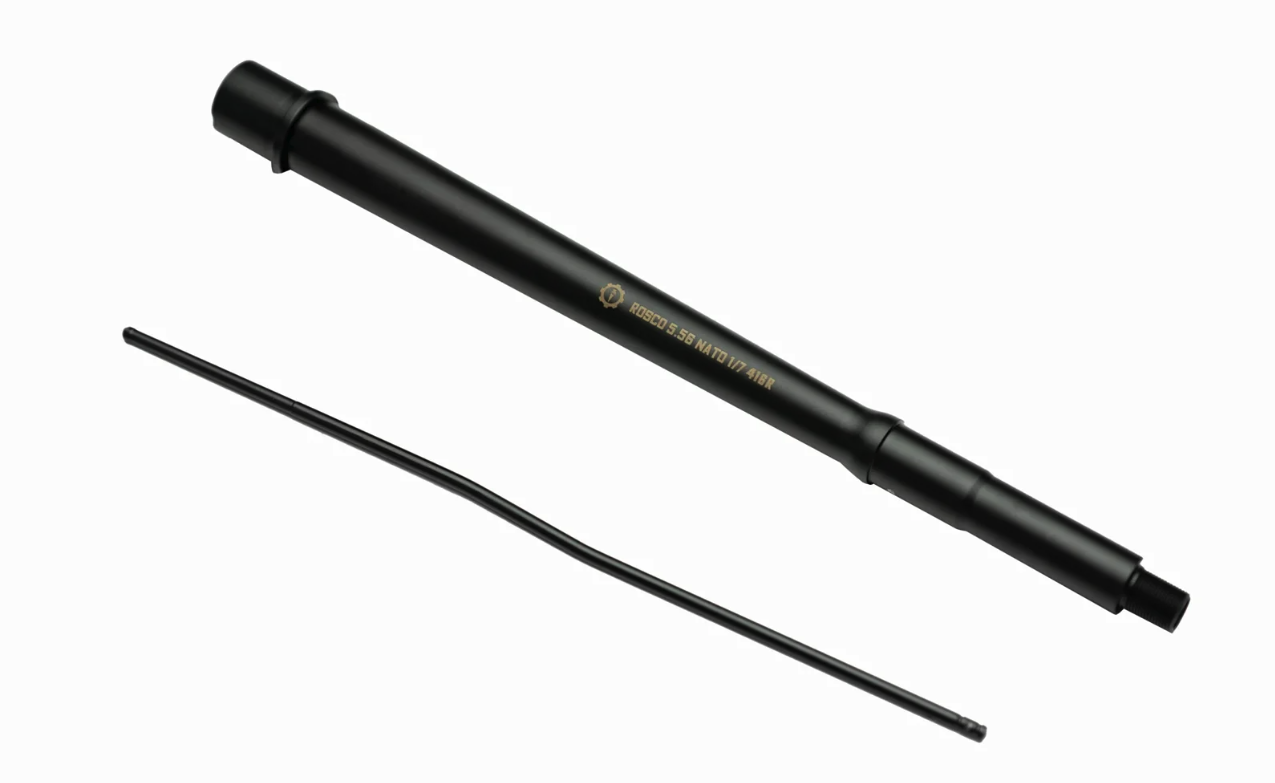
The bigger change is that barrel length is no longer being judged in isolation. Shooters are increasingly looking at the finished rifle and asking how long it will be with the suppressor mounted, where the weight will sit, how much gas the system will generate, and whether the rifle will remain comfortable and controllable in actual use.
That is probably the real point of modern barrel optimization. The question is not which barrel length is best. It is which barrel length makes the most sense once the suppressor, gas system, overall length, and handling characteristics of the complete rifle are all considered together.