
AR Rifle, AR-10, AR-10 Parts, AR-15 Basics, AR-15 Parts, Pistol Grips
AR-15 Skeleton Grip: Style, Weight Savings, and Real-World Performance Compared to Standard Grips
Jun
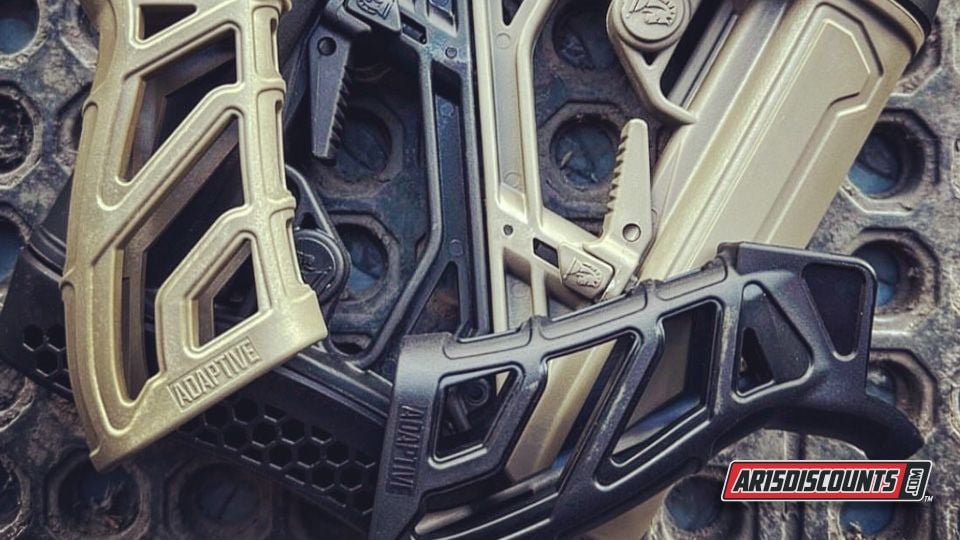
AR-15 builders constantly look for ways to refine their rifles for reduced weight, improved control, and standout appearance. The pistol grip offers one of the most visible and accessible upgrades on the lower receiver. Skeleton grips remove large sections of material through intentional cutouts, producing an open-frame look that differs sharply from solid traditional grips like the standard A2. This guide compares AR-15 skeleton grips with conventional designs across weight, comfort, durability, and handling characteristics.

TL;DR- Too Long Didn’t Read
AR-15 enthusiasts often explore options to optimize their rifles by reducing weight, enhancing control, and achieving unique aesthetics. Skeleton grips offer a prevalent modification compared to traditional grips, featuring a distinctive open-frame design.
- Skeleton grips emphasize visual appeal with cutouts, providing a unique look.
- Weight savings vary; some polymer grips weigh less than aluminum skeleton versions.
- Ideal for custom builds, skeleton grips offer additional grip features like texturing or storage.
- Performance enhancements are modest compared to other components like lighter barrels.
- Installation is straightforward on mil-spec lowers without needing modifications.
- Comfort depends significantly on grip design, rather than the skeletal structure itself.
Standard AR-15 Grips Versus Skeleton Designs
Traditional AR-15 pistol grips rely on solid polymer construction. Models such as the mil-spec A2 feature a steep angle, basic texturing, and simple reliability. These grips typically weigh between 2.5 and 3 ounces and deliver a full, familiar feel that many shooters prefer for secure handling.
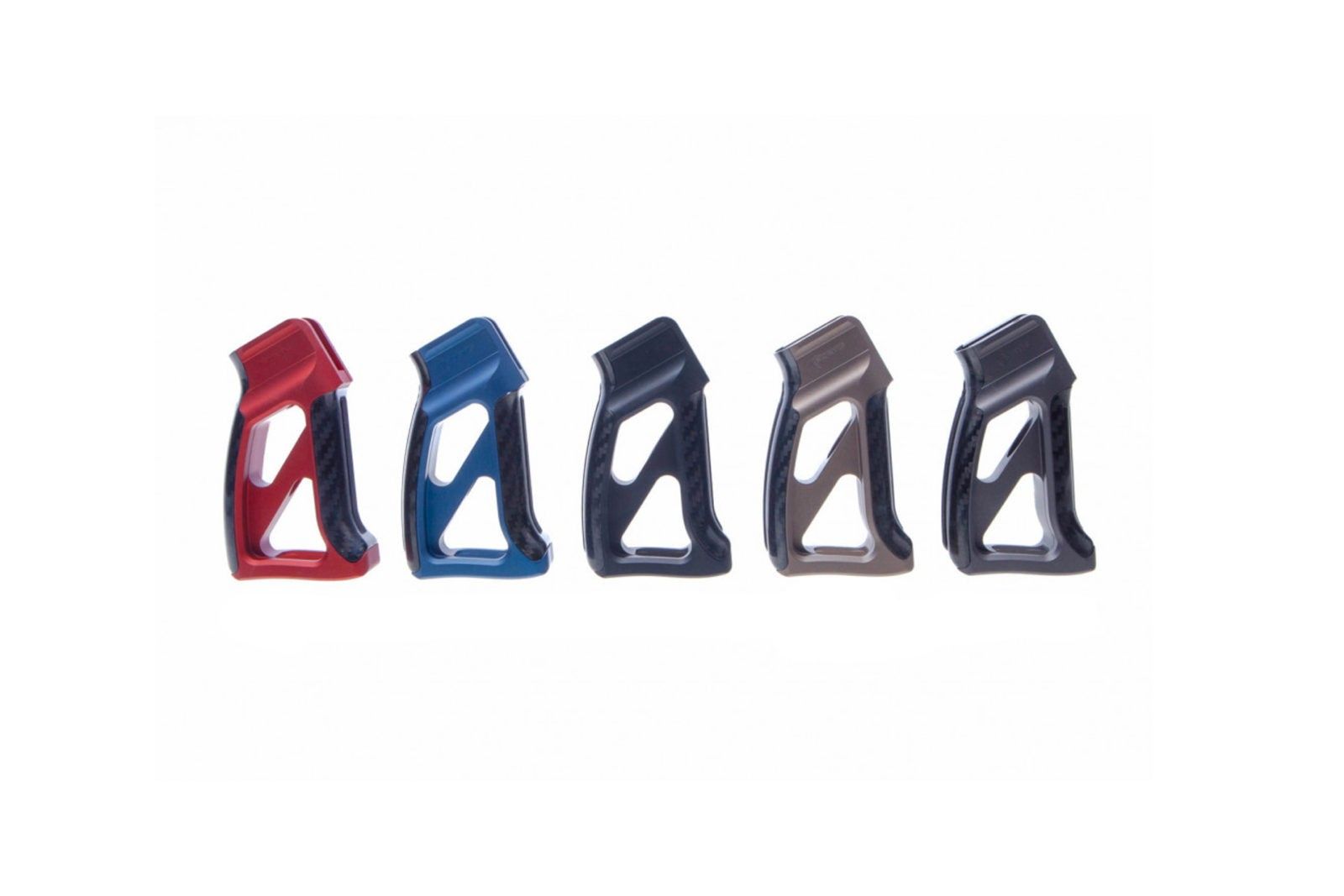
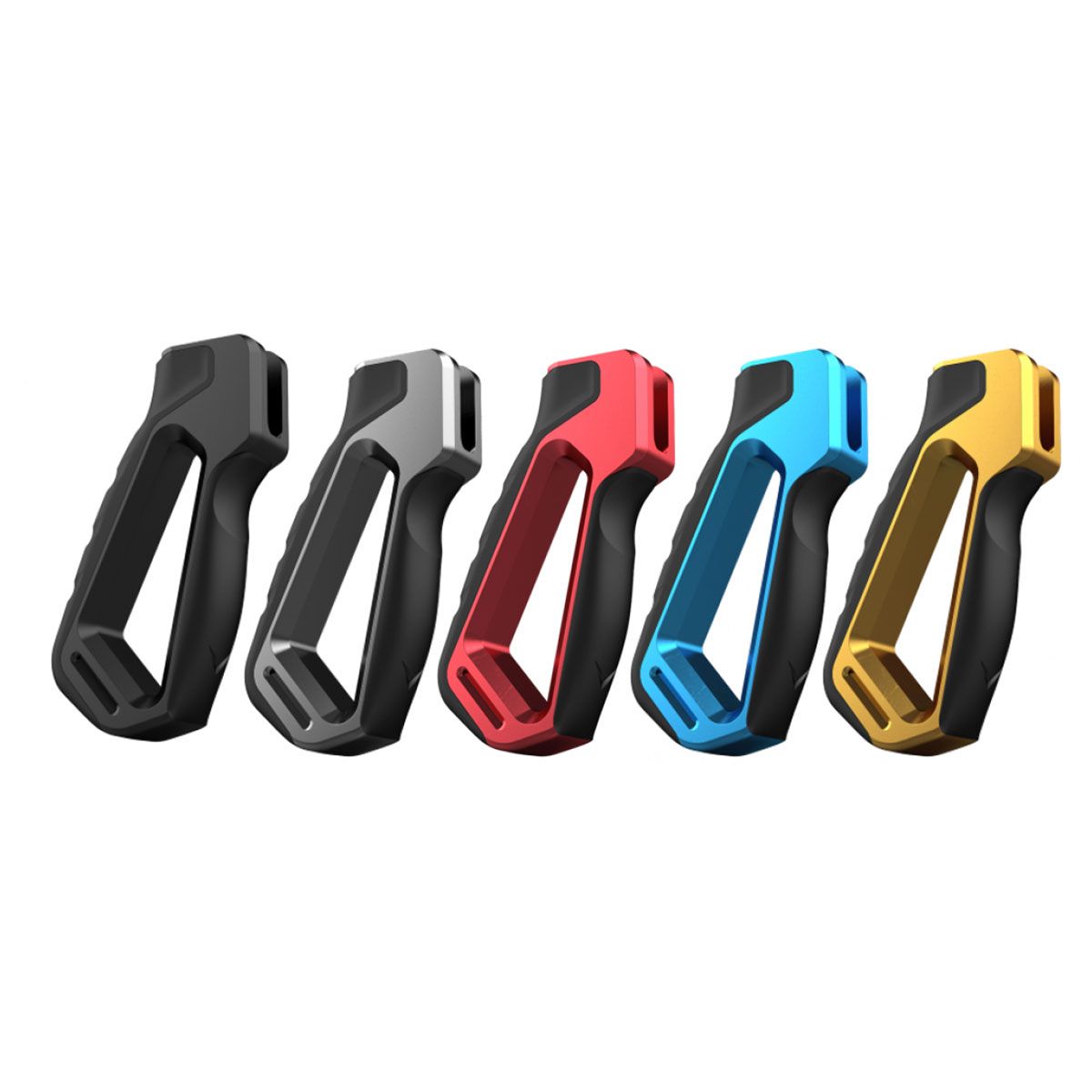
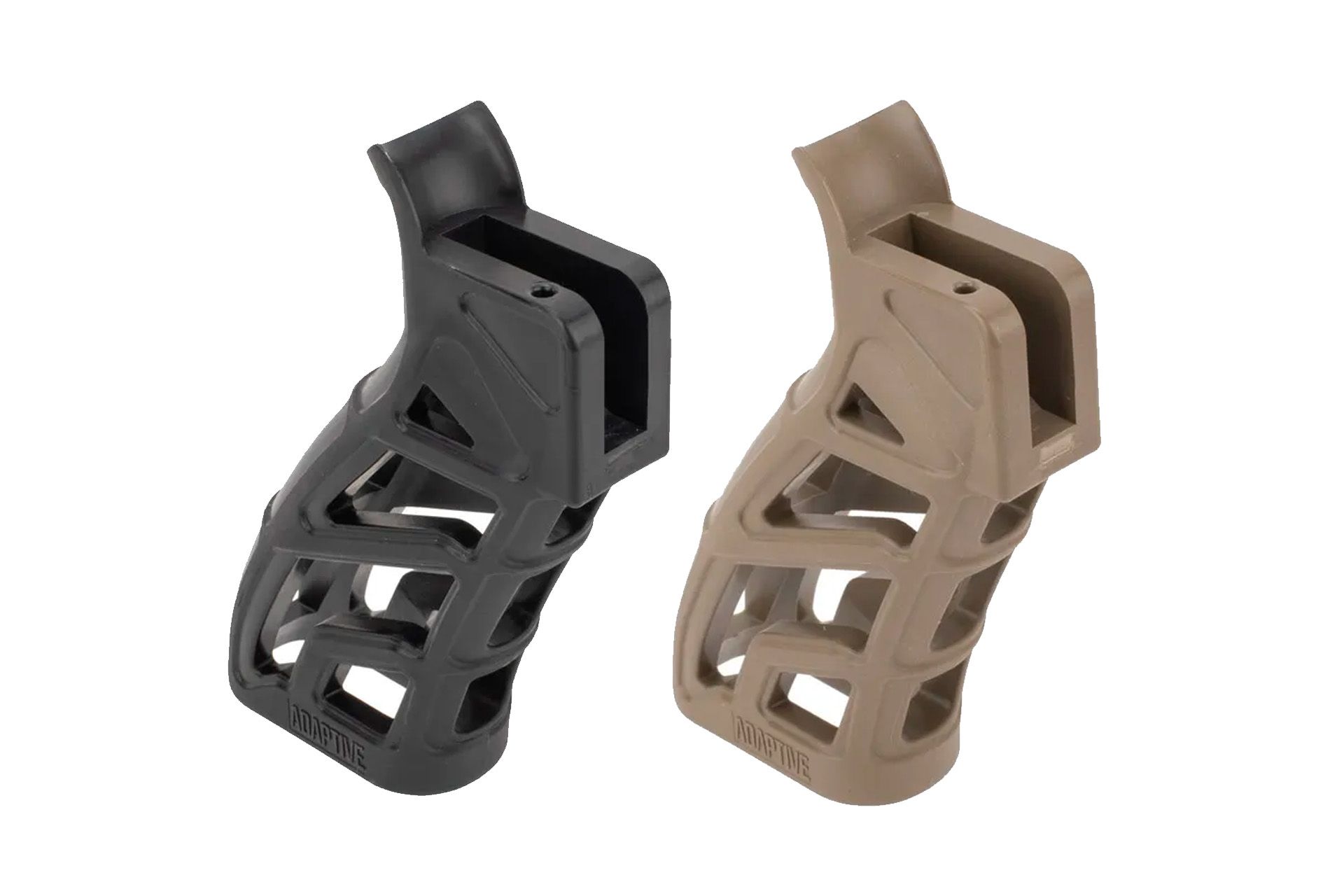
Skeleton grips use aluminum or reinforced polymer with honeycomb, geometric, or custom cutout patterns. Aluminum versions often range from 3.5 to 4.3 ounces, sometimes heavier than basic polymer grips because of material density. However, carefully engineered lightweight versions achieve real savings. The open design immediately gives a custom rifle a distinct, tactical profile.
Actual Weight Savings With a Skeleton Grip
Many builders assume that skeletonization automatically delivers major weight reduction. In practice, outcomes depend on the specific model and material. Some polymer standard grips actually weigh less than aluminum skeleton versions. Premium hybrid or optimized aluminum designs can trim a fraction of an ounce to several ounces when combined with other lightweight parts.
This difference becomes relevant in competition or backpacking setups where every ounce matters. For typical use, the savings remain smaller than those gained from switching to a slim M-LOK handguard or a lighter barrel. Most shooters notice little to no change in overall handling or carry comfort from the grip alone.

Key Advantages of Skeleton Grips
Skeleton grips provide several practical and visual benefits. The open structure creates a modern, aggressive profile that complements Cerakote finishes, matching skeletonized handguards, or coordinated components. Builders use them to create cohesive, eye-catching rifles. Cutouts allow room for aggressive grip patterns or add-on straps that improve hold in wet conditions or with gloves. Ventilation helps release receiver heat marginally faster during rapid fire, although the effect stays minor during standard range sessions. Certain models include interchangeable inserts for adjusted feel or small storage compartments. These traits make skeleton grips popular in custom builds where appearance and targeted improvements matter.
Effects on Fatigue During Long Range Sessions
Comfort and fatigue depend primarily on grip angle, texture, and hand fit rather than material removal. Many skeleton designs maintain or refine the wrist angle for better trigger reach and natural alignment. Strong texturing helps prevent slippage, supporting steady control across extended shooting.
Shooters with smaller or medium hands frequently report solid comfort. Individuals with larger hands may find some models too narrow or lacking the full support of solid grips. Testing different options helps ensure a good match. Overall, skeleton grips do not reduce fatigue more effectively than well-designed traditional ergonomic grips.

Durability for Hard Use and Duty Rifles
Aluminum skeleton grips stand out for toughness. High-grade alloys resist cracking, bending, or damage from drops and rough handling better than basic polymer. Anodized or Cerakote coatings provide strong corrosion protection.
Standard polymer grips handle normal civilian and range use reliably but can show wear, chips, or flex after heavy abuse. For duty, competition, or demanding applications, aluminum skeleton versions generally deliver longer service life. The cutout areas rarely trap enough debris to create problems in real-world conditions, especially with proper maintenance.
Influence on Recoil Control and Stability
Grip performance in recoil management stems more from overall shape, angle, and surface texture than from internal structure. Skeleton grips deliver similar stability to traditional models when the ergonomics suit the shooter. The lighter, open frame does not noticeably increase muzzle rise or slow follow-up shots for most users.
In competition settings, some prefer the quick feel of a skeleton grip for transitions, while others favor the solid reference point of a filled design. Personal fit and rifle balance play larger roles than the choice between skeleton and standard.
Performance in Competition Shooting
Skeleton grips perform well in lightweight divisions where small savings across multiple parts add up. Their unique appearance also draws attention on the firing line. Top competitors, however, often select optimized polymer grips for proven ergonomics and consistent control. Skeleton options suit builds that prioritize speed and aesthetics, yet they do not automatically produce faster split times or higher scores. Training and shooter skill remain the primary drivers of success.
Installation on Mil-Spec Lowers
Skeleton grips install on any standard AR-15 lower receiver using the same single screw as traditional grips. No modifications are required. Compatibility remains universal across mil-spec and most commercial lowers, making the upgrade straightforward for any builder. Always torque to manufacturer specifications to ensure a secure fit.

Reasons Builders Choose Skeletonized Furniture
AR-15 builders select skeletonized components to create cohesive, lightweight, and visually distinctive rifles. Matching a skeleton grip with a skeletonized handguard, trigger guard, and other open-frame parts produces a unified theme that stands out at the range. Many appreciate the engineering precision evident in quality aluminum pieces. For those chasing sub-6-pound builds or simply wanting a rifle that reflects personal style, skeletonized furniture delivers satisfaction beyond pure performance metrics.
Comfort for Larger Hands
Fit depends heavily on the specific model. Some skeleton grips maintain a full profile with strategic cutouts, suiting larger hands well. Others feel slimmer due to extensive material removal. Hybrid designs with removable straps or thicker polymer inserts often accommodate bigger hands better than pure minimalist aluminum versions. Shooters with larger hands should prioritize models with wider backstraps or test grips whenever possible.
Value in Lightweight AR-15 Builds
Upgrading to a skeleton grip proves worthwhile for dedicated lightweight builds when the marginal weight savings contribute to an overall optimized package. The aesthetic upgrade adds intangible value for custom projects. For general-purpose or budget rifles, a quality polymer grip often provides better value and comparable real-world performance.
The Reality Check: Style Over Substance
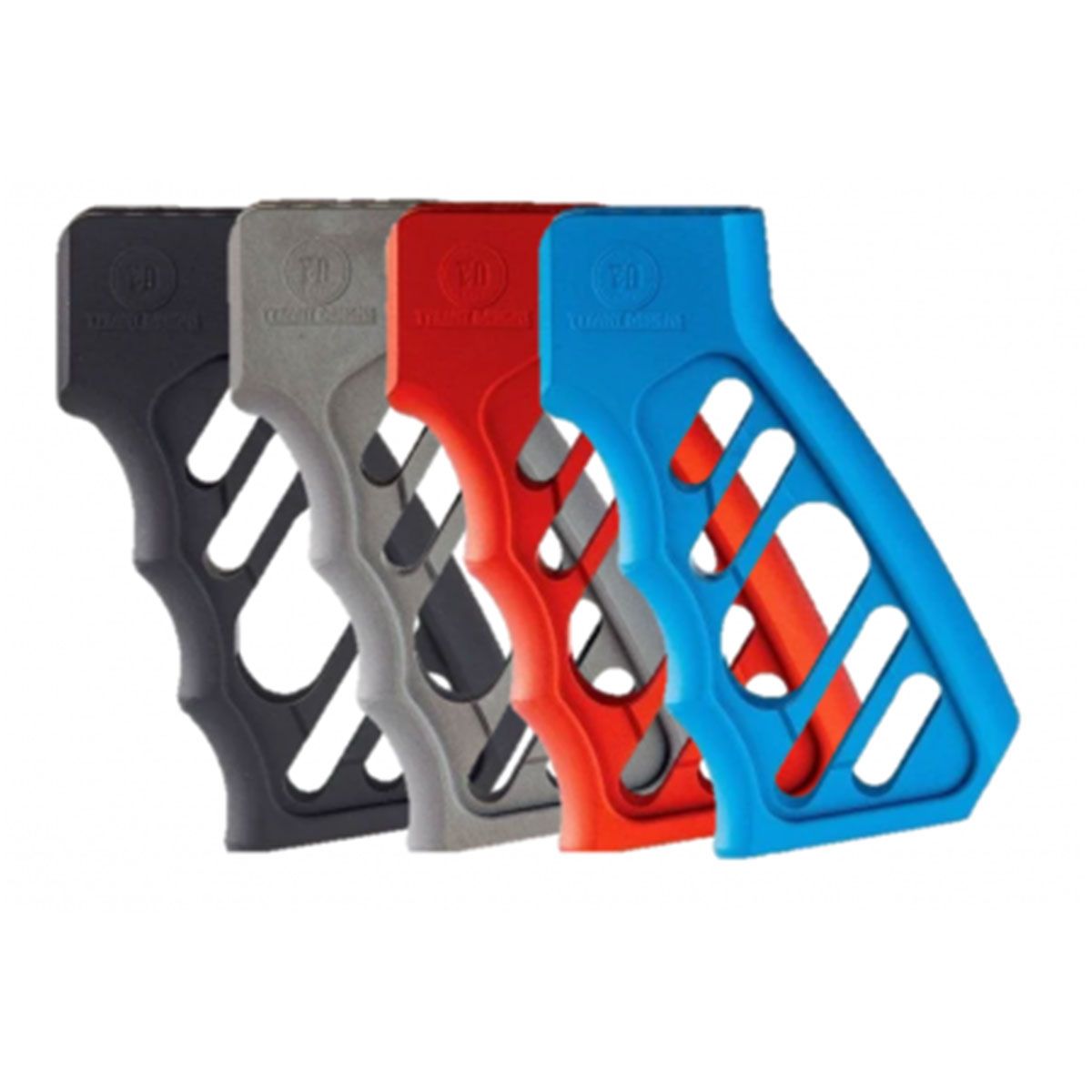
Skeletonized grips are undeniably striking, but their practical benefits are limited. They will not transform shooting performance or shave seconds off split times. The weight reduction is less impactful than swapping a heavy quad-rail for a slim M-LOK handguard, and any heat dissipation is negligible for typical range sessions. Their true strength lies in the custom build scene, where they serve as a statement piece signaling attention to detail. Paired with a Cerakoted upper or a matching skeletonized handguard, the rifle becomes something worth a second look.
Final Recommendation
AR-15 skeleton grips excel as statement pieces that combine eye-catching design with respectable performance. They rarely outperform well-chosen standard grips in raw functionality, but they elevate a rifle’s personality and support serious weight-conscious projects.
Whether considering a premium model for refined features or an entry-level option for budget-friendly flair, the focus should land on ergonomics that fit the hand and the shooting style. The best grip enhances confidence and control without drawing attention away from fundamentals. For many builders, the unique appeal of a skeleton grip makes the upgrade rewarding, even when practical benefits remain secondary to its striking appearance.
Experimenting with different options, training with the setup, and building a rifle that performs as well as it looks is the right approach. Skeleton grips offer an excellent way to personalize an AR-15 while maintaining reliability for range, competition, or defensive roles. Browse the full selection of AR-15 grips at AR15Discounts.com for competitive pricing and fast shipping.
Not always. Aluminum skeleton grips can weigh more than basic polymer standard grips due to material density. Carefully engineered lightweight versions do offer real savings, but the difference is typically modest and less impactful than other weight-reduction upgrades like a slim M-LOK handguard or lighter barrel.
Skeleton grips offer a distinctive custom appearance, potential weight savings in optimized designs, improved ventilation, and cutout areas that accommodate aggressive texturing or grip straps. Some models include interchangeable inserts or small storage compartments not found on standard grips.
Not significantly more than a well-designed standard grip. Fatigue reduction depends primarily on grip angle, texture, and hand fit rather than material removal. Skeleton grips that nail those ergonomics perform well, but they hold no inherent advantage over quality traditional options.
Aluminum skeleton grips with anodized or Cerakote finishes are highly durable and resist cracking, bending, and corrosion better than basic polymer. For demanding applications they generally outlast standard polymer grips. The cutout areas rarely cause debris retention issues with proper maintenance.
Recoil management comes down to grip shape, angle, and surface texture rather than whether material has been removed. A skeleton grip with good ergonomics performs comparably to a solid grip of similar geometry. Most shooters notice no meaningful difference in muzzle rise or follow-up shot speed.
It depends on the division and the shooter. Skeleton grips contribute to lightweight builds where cumulative savings matter. However, many top competitors favor optimized polymer grips for consistent ergonomics and proven control. Neither design automatically produces faster splits or higher scores. Training remains the deciding factor.
Yes. Skeleton grips use the same single-screw installation as standard grips and are compatible with mil-spec and most commercial lower receivers. No modifications are required. Torquing to manufacturer specifications ensures a secure fit.
Builders choose skeletonized furniture to create visually cohesive, lightweight rifles with a distinctive custom appearance. Matching a skeleton grip with a skeletonized handguard and other open-frame components produces a unified aesthetic that standard furniture cannot replicate. For many builders the visual and craftsmanship appeal is as important as the functional gains.
It depends on the model. Some skeleton grips maintain a full profile with selective cutouts that suit larger hands well. Others feel narrow due to extensive material removal. Hybrid designs with wider backstraps or removable inserts tend to accommodate larger hands better than minimalist aluminum versions. Testing the grip in person before committing is always the smart move.
For a dedicated lightweight build where every component is optimized, a well-chosen skeleton grip contributes meaningfully to the overall package. For general-purpose or budget builds, a quality polymer grip often delivers better value and comparable performance. The aesthetic upgrade adds real satisfaction for custom projects even when the functional gains are modest.