
AR-15 Bolt Carrier Groups, AR-15 Parts
AR-15 Bolt Wear: How to Tell When It Needs Replacing
Jul
Table of contents
- Clean the Bolt Before Inspecting It
- Inspect the Bolt Lugs for Cracks or Chips
- Check the Bolt Face
- Examine the Extractor and Extractor Spring
- Test the Ejector
- Check the Gas Rings for Wear
- Inspect the Cam Pin Hole
- Do Not Confuse Bolt Problems With Bolt Catch Problems
- When Should You Replace the Complete Bolt?
- Find Replacement AR-15 Bolts and Components
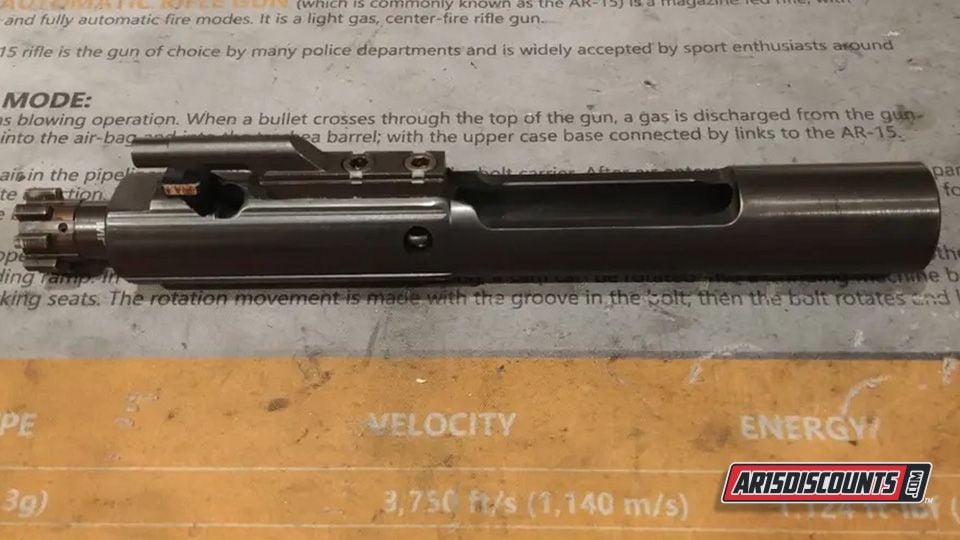
The AR-15 bolt handles some of the most demanding work inside the rifle. Each time the rifle fires, the bolt locks into the barrel extension, contains chamber pressure, extracts the empty case, and helps prepare the firearm for the next round. Over time, heat, friction, carbon buildup, and repeated cycling can wear down individual components.
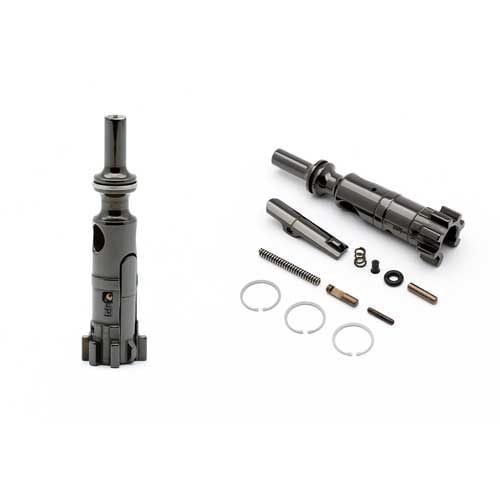
A dirty bolt may cause temporary reliability issues, but physical damage or excessive wear can eventually necessitate replacement. Knowing what to inspect can help you identify problems before they lead to repeated malfunctions or further damage.
Clean the Bolt Before Inspecting It
Carbon buildup can make an AR-15 bolt appear more worn than it really is. Before deciding that a component needs replacement, remove the AR-15 bolt carrier group, disassemble it according to the manufacturer’s instructions, and clean away carbon, lubricant, and debris.
Pay particular attention to the bolt face, locking lugs, extractor, ejector, gas rings, and cam pin area. Once the components are clean and dry, cracks, chips, uneven wear, and deformation will be easier to see.
A thorough cleaning may also correct cycling problems caused by excessive fouling. If the rifle continues to malfunction after cleaning and proper lubrication, inspect the parts more closely.
Inspect the Bolt Lugs for Cracks or Chips
The locking lugs are among the most important areas to inspect. They lock the bolt into the barrel extension and help contain pressure during firing.
Look carefully at the base of each lug, especially those near the extractor. Cracks may appear as thin lines extending from the corner or root of a lug. A damaged lug may also have a chipped edge, a missing section, or a visibly uneven shape.
Do not continue firing a rifle with a cracked or broken bolt lug. Replace the bolt and inspect the barrel extension for related damage before returning the rifle to service.
Check the Bolt Face
The bolt face should be relatively smooth and free from severe erosion, deep pitting, cracks, or deformation. Some finish wear and carbon staining are normal, especially on rifles with higher round counts.
Inspect the area around the firing pin hole. Excessive erosion, cratering, or an enlarged firing pin hole may indicate that the bolt has experienced unusual pressure or extended use.
Also, inspect the recessed area where the cartridge case sits. Brass shavings, primer fragments, and debris can collect here and interfere with extraction or ejector movement.
Examine the Extractor and Extractor Spring
The extractor grips the rim of the fired cartridge case and pulls it from the chamber. Because it repeatedly contacts the cartridge rims under tension, it is often among the first parts in an AR-15 bolt assembly to show wear.
Check the extractor claw for chips, rounding, cracks, or heavy wear. The claw should have a defined edge that can securely grip the case rim. A weak extractor spring, a damaged insert, or a worn O-ring can also cause extraction failures.
When the bolt body and locking lugs remain in good condition, replacing the extractor or extractor spring may solve the problem without requiring a complete bolt replacement.
Test the Ejector
The ejector is the spring-loaded pin located on the bolt face. It pushes the empty case away from the bolt after extraction.
Press the ejector inward using an appropriate non-marring tool. It should move smoothly and return with firm spring pressure. A stuck ejector may simply need cleaning, but weak spring tension, corrosion, or visible damage can require replacement.
Failures to eject are not always caused by the bolt. They may also result from ammunition, gas-system problems, extractor issues, or insufficient carrier speed.
Check the Gas Rings for Wear
The gas rings seal the space between the bolt and the AR-15 bolt carrier. As they wear, gas can leak around the bolt, reducing the energy needed to cycle the action.
To check them, install the bolt in the carrier, extend it fully, and stand the carrier vertically on the bolt face. If the carrier collapses immediately under its own weight, replace the gas rings.
Do not rely on this test alone when diagnosing cycling problems. Gas-block alignment, gas-tube condition, ammunition, lubrication, and buffer-system components can cause similar issues.
Gas rings cost very little, and replacing them usually solves the problem without requiring a new bolt.
Inspect the Cam Pin Hole
The cam pin hole allows the bolt to rotate between its locked and unlocked positions. Some polishing or finish wear around the hole is normal.
However, an elongated, cracked, heavily peened, or visibly distorted cam pin hole may indicate that the bolt has experienced extensive wear. Inspect the cam pin itself for gouging, flattening, cracks, or uneven wear.
A damaged cam pin hole affects a critical area of the bolt. When substantial deformation or cracking is present, replacing the complete bolt is usually safer than continuing to use the worn component.
Do Not Confuse Bolt Problems With Bolt Catch Problems
The bolt catch on an AR-15 sits in the lower receiver and operates independently of the rotating bolt within the carrier group. A worn AR-15 bolt catch, bolt release lever, or extended bolt release can keep the carrier from locking open after the final round without indicating a worn bolt.
When the rifle cycles and fires normally but fails to lock open, inspect the magazine, ammunition, gas system, buffer assembly, and bolt catch before replacing the bolt.
When Should You Replace the Complete Bolt?
Replace the complete bolt if you find cracked or broken locking lugs, cracks in the bolt body, severe bolt-face erosion, an elongated cam pin hole, or damage that a smaller replacement part cannot fix.
After installing the new bolt, verify proper assembly and function. The bolt and barrel extension work together to maintain safe locking and headspace, so check the headspace whenever you have concerns about wear or component compatibility.
Find Replacement AR-15 Bolts and Components
Regular inspection can help you catch wear before it becomes a serious reliability problem. Clean the bolt thoroughly, examine the locking lugs and cam pin hole, and replace worn gas rings, extractor parts, or ejector components as needed.
When damage extends to the bolt body itself, replacing the bolt is the safer choice. Shop replacement bolts, bolt components, and complete AR-15 bolt carrier groups at AR15Discounts.com to keep your rifle properly maintained and ready for dependable use.
Frequently Asked Questions About AR-15 Bolt Wear
Bolt wear does not always cause an obvious failure. The following questions address common signs of damage, replacement intervals, and the difference between normal wear and a bolt that should be removed from service.
Clean the bolt completely before inspecting it. Carbon buildup may cause sluggish movement or hidden damage. Cracks, chipped locking lugs, severe erosion, deformation, or an elongated cam pin hole indicate actual wear rather than simple fouling.
Cracks often appear as fine lines near the base of a locking lug. A damaged lug may also have a chipped corner, a missing section, or an uneven edge.
Yes. A worn extractor, a weak extractor spring, a damaged ejector, worn gas rings, or a damaged bolt can contribute to extraction and ejection problems.
Extend the bolt and stand the carrier vertically on the bolt face. If the carrier quickly collapses under its own weight, the gas rings may need to be replaced.
Replace only the extractor when its claw or spring is worn, but the bolt body, locking lugs, bolt face, and cam pin hole remain undamaged.
No. Stop using the rifle and replace the damaged bolt. The barrel extension should also be inspected before firing resumes.
There is no universal round count. Bolt life depends on ammunition pressure, firing schedule, barrel length, gas-system setup, maintenance, and component quality. Regular inspection is more reliable than replacing a bolt based only on round count.
Gas rings, extractor springs, extractor inserts, extractors, and ejector springs often require attention before the main bolt body fails.
Yes. Noticeable elongation, cracking, heavy peening, or deformation around the cam pin hole can justify replacing the bolt.
Not automatically. A new bolt can often be used with an existing barrel, but proper headspace and component compatibility should be confirmed before use.
For additional support, check out our sister site www.dirtybirdusa.com.