
AR Rifle, AR-15 Barrels, AR-15 Basics, Ballistic Advantage
2026 Guide to the Best 223 Wylde Barrels for AR Builders
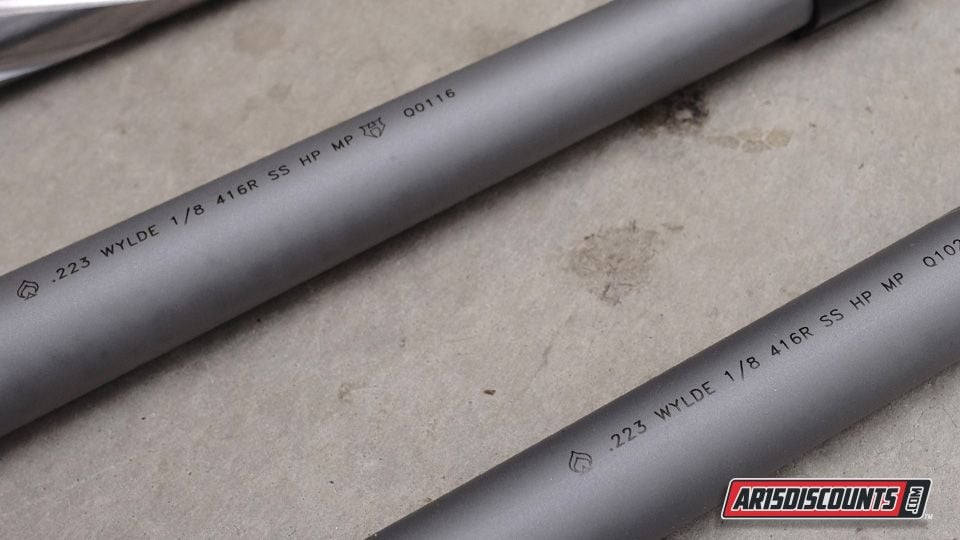
Apr
Table of contents
If you’ve spent any time shopping for AR-15 barrels, you’ve probably come across the term “223 Wylde” and wondered what it actually means and whether it matters for your build. The short answer is yes, it matters a lot, and once you understand why, it becomes one of the easiest upgrade decisions you can make. This guide breaks it all down and walks you through the brands making the best 223 Wylde barrels available right now.

TL;DR- Too Long Didn’t Read
The blog post explains the importance of the 223 Wylde chamber in AR-15 barrels, describing it as a hybrid solution that optimizes accuracy and safety for both .223 Remington and 5.56 NATO rounds.
- The 223 Wylde chamber combines features of .223 Remington and 5.56 NATO chambers for optimal accuracy and safety.
- Key barrel specs include 1:8 twist rate, 416R stainless steel material, and various lengths and profiles.
- Top brands for 223 Wylde barrels include Ballistic Advantage, Faxon Firearms, Criterion Barrels, and ODIN Works.
- Ballistic Advantage offers value and reliability; Faxon emphasizes precision technology; Criterion focuses on tight tolerances; ODIN includes an adjustable gas block.
What Is 223 Wylde and Why Does It Matter?
To understand the 223 Wylde chamber, you first need to understand the problem it was designed to solve.
Most AR-15 shooters run either .223 Remington or 5.56 NATO ammunition. These two rounds look nearly identical and are often treated as interchangeable, but they are not the same thing. The .223 Remington cartridge is loaded to lower pressure and is known for its accuracy. The 5.56 NATO round is a military specification cartridge loaded to higher pressure, built for reliability and durability in tough conditions. The catch is that shooting 5.56 NATO out of a barrel chambered for .223 Remington can create dangerous pressure spikes, because the .223 chamber is too tight for the higher-pressure military round. On the flip side, a standard 5.56 NATO chamber can safely fire both rounds, but its looser dimensions sacrifice some of the precision you’d get from a dedicated .223 chamber.
That’s where gunsmith Bill Wylde came in. The .223 Wylde chamber is a hybrid design that takes the tight freebore diameter of a .223 Remington for accuracy and combines it with the leade angle (the transition between the chamber and rifling) of a 5.56 NATO to safely handle higher pressures. The result is a chamber that lets you shoot both .223 Remington and 5.56 NATO safely, while still delivering the precision that .223 shooters expect. Better accuracy, full ammo flexibility. It really is the best of both worlds.
For anyone building a general-purpose AR-15, a competition rifle, or a precision rig, 223 Wylde is widely considered the gold standard chambering choice.
What to Look for in a 223 Wylde Barrel
Before getting into brand recommendations, here are the key specs you’ll encounter when shopping for 223 Wylde barrels and what they mean for your build.
Twist Rate: Twist rate describes how quickly the rifling spins the bullet as it travels down the barrel. A 1:8 twist rate means the bullet completes one full rotation every 8 inches of travel. For 223 Wylde, a 1:8 twist is the most versatile option because it stabilizes a wide range of bullet weights from 55 grains up to 77 grains. Most quality 223 Wylde barrels are offered in 1:8.
Material: 416R stainless steel is the preferred material for precision 223 Wylde barrels. Its malleability allows manufacturers to achieve tighter tolerances and a smoother bore finish, which translates directly to better accuracy. Chrome-lined barrels trade a small amount of precision for increased durability and corrosion resistance, making them a great choice for hard-use builds.
Barrel Length: A 16-inch barrel is the most practical choice for general use. It keeps the rifle legal without a tax stamp and balances velocity, maneuverability, and accuracy well. An 18-inch barrel delivers more muzzle velocity and tighter groups at distance, making it the preferred choice for precision-focused builds and competition shooting. A 20-inch barrel pushes performance even further for dedicated long-range work.
Barrel Profile: Profile refers to the shape and thickness of the barrel along its length, which affects weight and heat dissipation. Fluted barrels have channels cut along their length to reduce weight while maintaining stiffness and increasing surface area for faster cooling, making them popular for precision and competition builds.
The Best 223 Wylde Barrel Brands at AR15Discounts
AR15Discounts carries 223 Wylde barrels from four of the most respected names in the business. Here’s what makes each one stand out.
Ballistic Advantage
Ballistic Advantage has become one of the most trusted barrel manufacturers in the AR-15 market, and they’ve earned that reputation by producing high-quality American-made barrels at prices that are genuinely accessible. Their 223 Wylde lineup spans multiple series and configurations, from affordable black nitride mid-length options all the way up to premium fluted stainless builds.

What sets Ballistic Advantage apart is the combination of value and consistency. Their barrels are manufactured to tight tolerances and are known for producing sub-MOA accuracy with quality ammunition, which is impressive at their price point. The Premium Series in particular features 416R stainless steel construction with 1:8 twist rifling, and their popular SPR (Special Purpose Rifle) profile delivers a nice balance of weight savings and barrel stiffness that works well for both range use and field work.
Ballistic Advantage also puts thought into their profiles. The Hanson Profile, one of their signature designs, is optimized for use with low-profile gas blocks and keeps weight down without sacrificing the rigidity needed for accurate shooting. If you’re a first-time builder who doesn’t want to compromise on quality, or an experienced shooter who wants reliable performance without paying a premium price, Ballistic Advantage is one of the strongest choices on the market.
Faxon Firearms
Faxon Firearms has carved out a strong niche in the precision barrel market by combining match-grade manufacturing standards with competitive pricing. Their 223 Wylde Match Series barrels are a step up in precision focus, and they’re built with features that serious accuracy-oriented shooters care about.
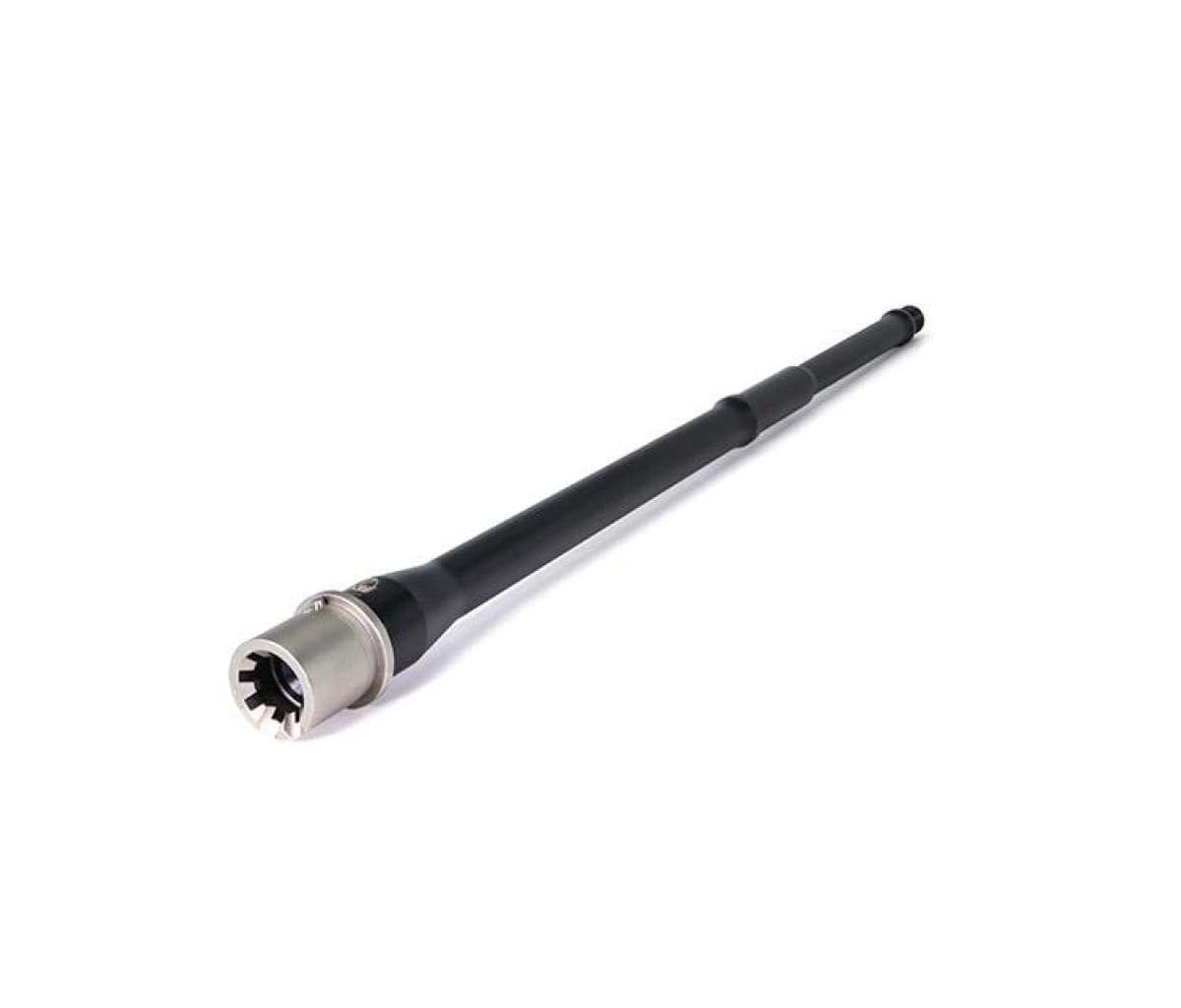
The standout feature in Faxon’s lineup is 5R rifling. Standard rifling uses an even number of lands and grooves (the raised and recessed spirals that spin the bullet) that sit directly opposite each other in the bore. Faxon’s 5R rifling uses five lands and grooves with slanted sides rather than sharp 90-degree edges. Because the lands are not directly opposite each other, bullet deformation during engraving is reduced, which preserves the bullet’s shape and improves its ballistic efficiency downrange. The slanted land profile also makes the bore significantly easier to clean, since there are fewer sharp corners for fouling to accumulate in.
Faxon uses 416R stainless steel across their Match Series and applies a QPQ nitride (also known as Melonite) finish, which gives the barrel excellent corrosion resistance and surface hardness without the accuracy penalty that comes with chrome lining. Their FLAME Fluted profile adds fluting along the barrel body for weight reduction and improved heat dissipation during extended shooting sessions. For shooters who prioritize long-range precision and want a barrel that will reward quality ammunition and good technique, Faxon is an outstanding choice.
Criterion Barrels
Criterion is a name that comes up consistently in competitive shooting circles, and it’s well-earned. They occupy the upper end of the production barrel market, building barrels that approach custom-shop quality while remaining available off the shelf. If accuracy is your primary concern, Criterion deserves serious consideration.
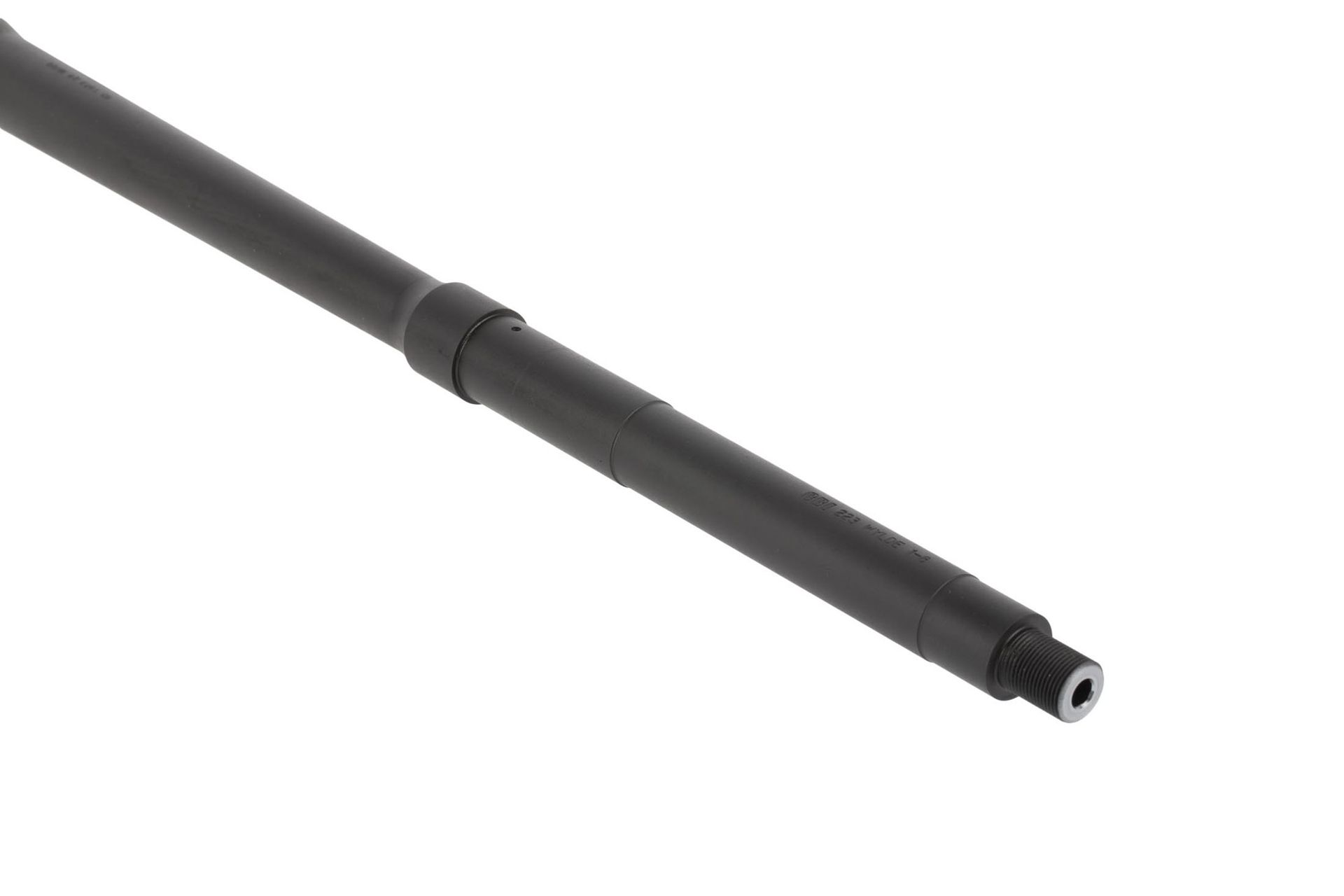
Their manufacturing process is where Criterion separates itself. Criterion barrels are produced with extremely tight bore and chamber tolerances, and their quality control standards are among the most rigorous in the production barrel industry. The result is barrels that are routinely capable of sub-MOA performance with match-grade ammunition, meaning they can consistently place shots within a one-inch circle at 100 yards right out of the box.
Criterion offers their 223 Wylde barrels in multiple configurations including their Core series, which features a phosphate and chrome-lined finish for durability and extended barrel life, and their Hybrid and Ultralight profiles for shooters who want to reduce weight without sacrificing rigidity. The chrome lining in Criterion’s Core series is applied with the same attention to quality as the rest of their manufacturing process, so the minor accuracy trade-off you’d see from sloppy chrome lining on a lesser barrel is minimized here.
For competitors, precision hunters, or any shooter who wants to wring every bit of accuracy out of their rifle, Criterion barrels are a proven platform.
ODIN Works
ODIN Works approaches barrel building with competition shooters firmly in mind, and their 223 Wylde lineup reflects that focus clearly. What immediately distinguishes ODIN Works from the other brands in this guide is that every 223 Wylde barrel they sell includes a free tunable gas block. That’s not a minor add-on. An adjustable gas block is one of the most useful components you can put on a precision or competition AR-15.
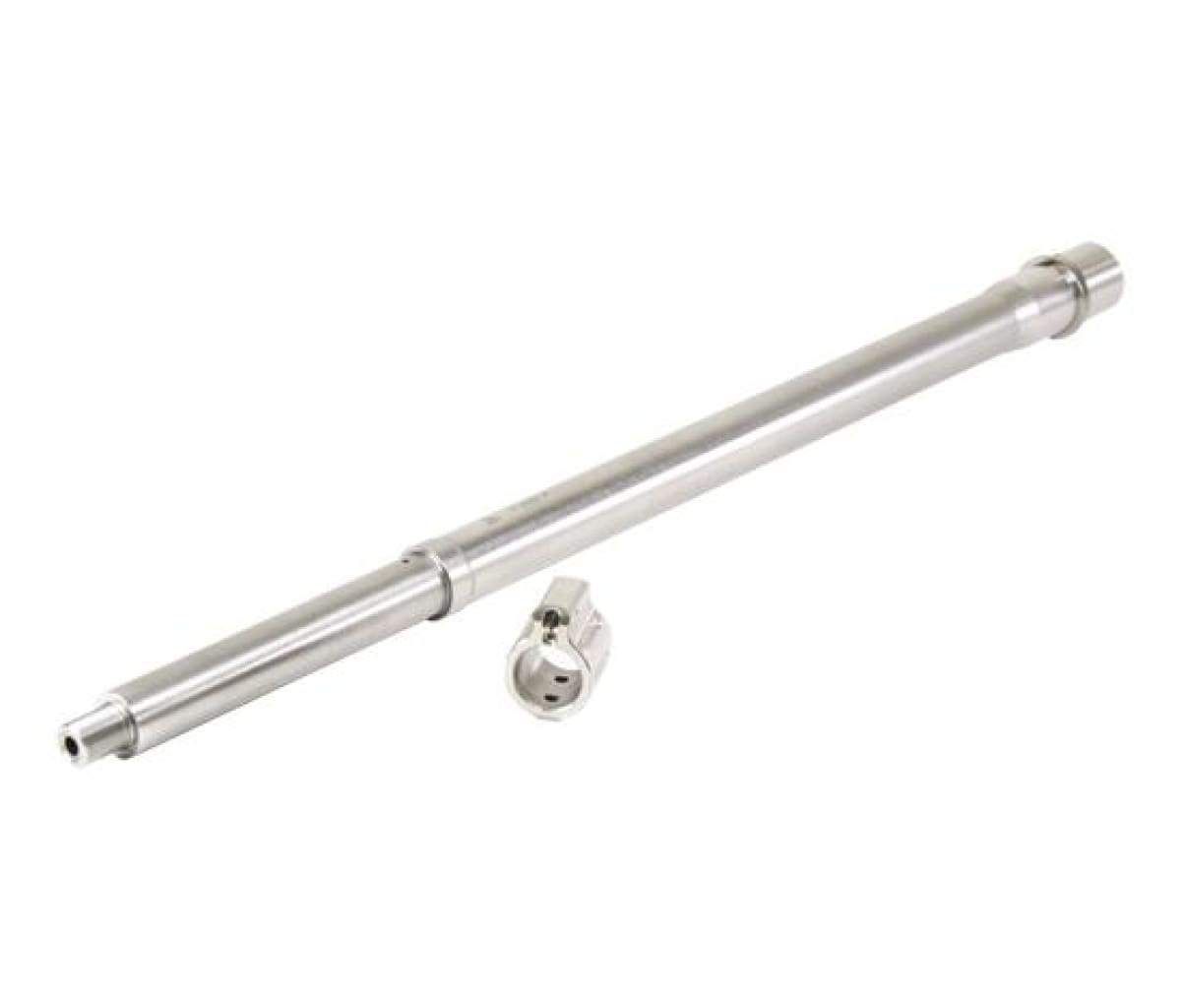
Here’s why it matters: the gas system on a direct impingement AR-15 bleeds propellant gas from the barrel to cycle the action. Most barrels are ported by the manufacturer to cycle reliably with standard ammunition and a standard buffer setup. But different ammo, different suppressors, and different buffer weights all affect how the rifle cycles. An adjustable gas block lets you tune exactly how much gas enters the system, which means you can reduce felt recoil, improve the consistency of ejection, and optimize reliability whether you’re running suppressed or unsuppressed, with light loads or heavy ones.
Beyond the gas block inclusion, ODIN Works barrels are made from stainless steel with 1:8 twist rifling and are available in a range of profiles and lengths that cover everything from compact carbine builds to full-length DMR (Designated Marksman Rifle) and 3-gun competition configurations. Their attention to consistency across the lineup makes them a brand that experienced builders come back to repeatedly, and the adjustable gas block inclusion at no extra charge makes their pricing genuinely competitive.
Which Brand Is Right for You?
If you’re building your first AR-15 and want reliable accuracy at an accessible price, Ballistic Advantage is the easiest recommendation. If long-range precision and advanced rifling technology are priorities, Faxon’s Match Series delivers real match-grade performance. If you want the tightest tolerances and most consistent accuracy a production barrel can offer, Criterion is the benchmark. And if you’re building a competition rifle or simply want the added tunability of an adjustable gas system from day one, ODIN Works packages real value into every barrel they sell.
No matter which brand you choose, the 223 Wylde chamber means you’ll never have to worry about ammunition compatibility. Run budget .223 for practice or quality 5.56 NATO when it counts. The barrel handles both.
Browse all 223 Wylde barrels in stock at AR15Discounts.com