
AR-15 Basics, AR-15 Parts
SLR Rifleworks Gas Blocks for Precision AR Builds (Adjustable vs. Fixed)
Apr
Table of contents
Precision AR-15 builds demand components that deliver consistent performance, reliability, and tunability under varying conditions. Among the standout options available today, SLR Rifleworks gas blocks stand out for their engineering excellence and real-world results. Builders seeking smoother operation, reduced recoil, and optimized cycling often turn to these American-made parts.

TL;DR- Too Long Didn’t Read
SLR Rifleworks gas blocks are esteemed for their engineering precision and utility in enhancing the performance of precision AR-15 builds. They are particularly valued for their adjustable features that offer specific tuning capabilities.
- SLR Rifleworks gas blocks are made from 4140 steel with Melonite finish, ensuring durability and reduced wear.
- Adjustable gas blocks allow fine-tuning for varying ammunition and suppressors, optimizing recoil and minimizing component wear.
- SLR’s metered adjustment system offers precise, repeatable settings with tactile feedback.
- These blocks are compatible with most AR-15 and AR-10 platforms, with options for different barrel sizes.
- Regular maintenance is required to prevent adjustments from seizing due to carbon buildup.
- SLR blocks are particularly beneficial for those using variable ammunition and configurations.
SLR Rifleworks has earned a strong reputation by focusing on premium materials and innovative designs. Their gas blocks use precision-machined 4140 steel with a durable Melonite QPQ finish that resists wear and carbon buildup effectively. This attention to detail separates them from many competitors and makes them a frequent choice for serious builders working on competition, duty, or precision rifles.
Why Gas System Tuning Matters in Precision Builds
Every AR-15 relies on its gas system to cycle the action reliably. A fixed gas block offers simplicity and rock-solid dependability with no moving parts to maintain. It works well for standard setups running consistent ammunition in unsuppressed configurations. However, fixed blocks lack flexibility when variables change, such as switching ammo types, adding a suppressor, or optimizing for minimal recoil.
Adjustable gas blocks address these limitations by letting shooters fine-tune gas flow to match their specific setup. This capability proves especially valuable in precision builds where consistency and reduced wear matter most. SLR Rifleworks adjustable models, like the popular Sentry series, provide clear advantages here. They allow users to dial in the exact amount of gas needed for reliable function while minimizing excess that causes harsh recoil or accelerated component wear. The difference becomes apparent quickly, particularly for shooters running varied loads or transitioning between suppressed and unsuppressed configurations on the same rifle.
What Sets SLR Rifleworks Gas Blocks Apart
Not all adjustable gas blocks perform equally. Many basic models use simpler screws that can bind or lack repeatable settings, leading to frustration during tuning. SLR Rifleworks designs overcome these issues through patented features, including a metering screw and bore system that delivers precise, repeatable adjustments.
The Sentry adjustable gas blocks feature 15 distinct positions, ranging from fully closed to a maximum 0.125-inch port opening. A single-tool click mechanism provides both audible and tactile feedback with each adjustment, similar to turning a scope turret. This design allows shooters to return to exact settings reliably, which is crucial when testing different loads or switching between suppressed and unsuppressed fire.
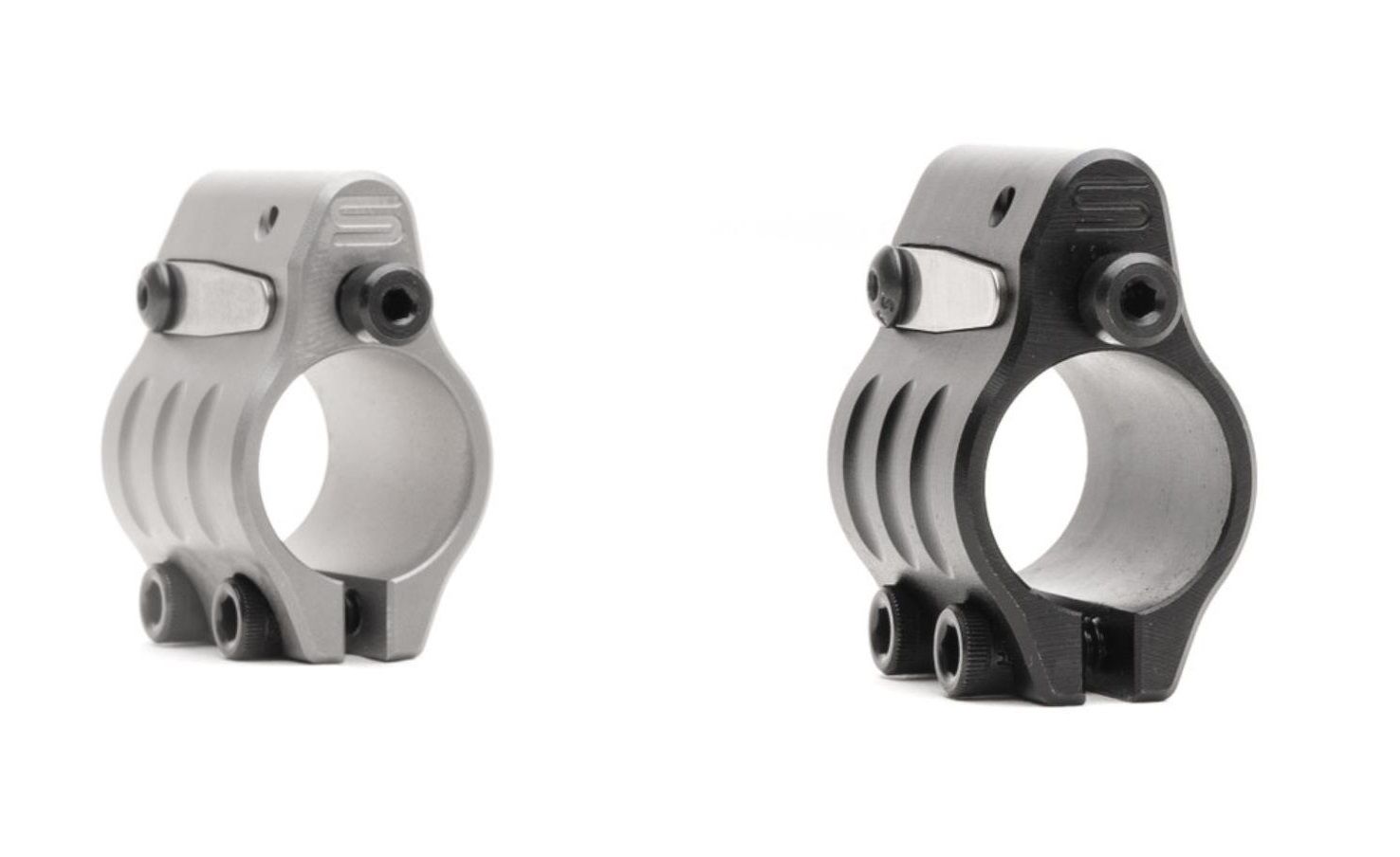
Tactile feedback stands out as a key preference for many experienced builders. It confirms each click without guesswork, ensuring the rifle returns to the optimal setting every time. SLR Rifleworks achieves this through high-quality components, including a Melonite-finished metering screw, detent plunger, and a robust flat spring. The result is smooth, positive adjustments that hold under heavy use without wandering or losing position over time.
These blocks come in clamp-on and set-screw versions to fit common gas journal sizes such as 0.625, 0.750, 0.875, and 0.936 inches. They weigh around 1.2 to 1.8 ounces depending on the model and work with standard gas tubes and virtually all handguards. Compatibility remains broad across AR-15 and many AR-10 platforms when paired with appropriately sized barrels.
Benefits for Performance and Suppressed Use
An SLR Rifleworks adjustable gas block improves overall rifle performance in several meaningful ways. Proper tuning reduces felt recoil, flattens the shooting experience, and decreases stress on the bolt carrier group and buffer system. This leads to better accuracy potential, especially during rapid or sustained fire in precision applications.
For suppressed shooting, these blocks truly shine. Suppressors increase back pressure, often turning a well-tuned rifle into an over-gassed one with excessive gas to the face and harsher recoil impulse. The ability to restrict gas flow restores balance, making the rifle more comfortable and reliable with a can attached. Many users report noticeably cleaner operation and reduced wear when running suppressed setups over extended range sessions.
Caveats of Adjustable Gas Blocks
Adjustable gas blocks do require some ongoing attention. Carbon buildup can eventually lock the adjustment screw in place if neglected, particularly after heavy suppressed use. This maintenance item demands regular care, such as applying penetrating oil or a quality lubricant after each range session and working the screw through its full range of motion to prevent seizing.
Shooters who tune once for a single load and never change variables may find a fixed block perfectly sufficient. Those who frequently switch ammunition, add or remove suppressors, or seek maximum optimization benefit most from an adjustable option. With proper maintenance, SLR Rifleworks blocks resist carbon lock better than many alternatives thanks to their materials and thoughtful design.
Installation follows standard procedures for low-profile gas blocks. Alignment with the barrel gas port is critical, and pinning or proper torquing ensures long-term security. The included tools and clear instructions make the process straightforward for most builders.
Choosing Between Adjustable and Fixed
For a dedicated precision AR build, many builders opt for the SLR Rifleworks Sentry adjustable gas block. It offers the versatility needed to extract peak performance across different scenarios. Fixed blocks remain a solid, low-maintenance choice for simpler or budget-conscious builds where variables stay constant.
SLR Rifleworks gas blocks prove worth the investment for those prioritizing quality and tunability. Their combination of durable construction, precise adjustments, and thoughtful features delivers noticeable improvements in recoil management, reliability, and shooter comfort. Whether building a competition rifle or a versatile precision platform, these components consistently elevate the overall experience.
Yes, SLR Rifleworks gas blocks deliver excellent value for builders who prioritize precision, reliability, and long-term performance. Their premium materials, patented adjustment system, and thoughtful engineering provide consistent results that outperform many lower-cost alternatives, especially in tuned or variable-use rifles.
SLR Rifleworks stands apart through its patented metering screw design that offers 15 precise, repeatable positions with clear tactile and audible clicks. Combined with 4140 steel construction, full Melonite QPQ finishing on all components, and Swiss-precision machining, these blocks resist wear and carbon buildup far better while maintaining smooth, reliable adjustments that many competitors lack.
Choose a fixed gas block for simple, dedicated setups with consistent ammunition and no suppressor where minimal maintenance is preferred. Opt for an adjustable model like those from SLR Rifleworks when you want flexibility to tune for different loads, suppressed use, or optimized recoil across varying conditions.
It allows precise control of gas flow to the bolt carrier group, reducing excess gas that causes harsh recoil and component wear. Proper tuning results in smoother cycling, flatter shooting, and extended reliability, particularly when switching between ammunition types or adding accessories that affect back pressure.
They work with the vast majority of AR-15 barrels when the correct journal size is selected. These blocks accommodate standard gas tube lengths and integrate seamlessly with most free-float handguards.
Match the gas block to your barrel’s gas journal diameter, typically 0.625, 0.750, 0.875, or 0.936 inches. Measure the journal directly or check the barrel manufacturer’s specifications before ordering to ensure a proper fit.
Yes, when tuned correctly they reduce felt recoil by limiting unnecessary gas impulse, which leads to less muzzle movement and faster follow-up shots. This improved shooter control and reduced component stress often translates to better practical accuracy and consistency on target.
They excel in suppressed applications. The adjustability lets you dial back excess back pressure caused by the suppressor, minimizing gas to the face, softening recoil, and restoring reliable function without over-stressing the rifle.
Align the gas block port with the barrel gas port, secure it using the included screws or clamp method, and torque properly. Many models include a dimpling jig recommendation or pinning option for added security. The process follows standard low-profile gas block installation and can usually be completed with basic tools while the handguard is off.
The Sentry series, particularly the clamp-on or set-screw versions in .750 or .625 journal sizes, ranks as the top choice for precision builds. Its tactile click adjustments, robust construction, and proven tunability make it ideal for achieving consistent, optimized performance across different shooting scenarios.