
Reloading Supplies
Best Reloading Tools for Beginners in 2026
Jun
Table of contents
- Why Reloading Tools Matter
- Start With a Reloading Manual
- Reloading Press: The Center of the Bench
- Reloading Dies
- Shellholders and Caliber-Specific Accessories
- Powder Scale
- Powder Measure and Powder Trickler
- Priming Tools
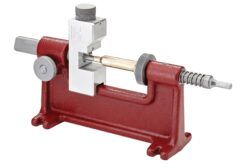
- Case Prep Tools
- Calipers
- Loading Blocks
- Case Cleaning Tools
- Reloading Kits vs. Buying Tools Separately
- Magazine Reloading Tool vs. Ammo Reloading Tools
- Antique Reloading Tools vs. Modern Reloading Tools
- What Reloading Tools Should You Buy First?
- How Much Should Beginners Expect to Spend?
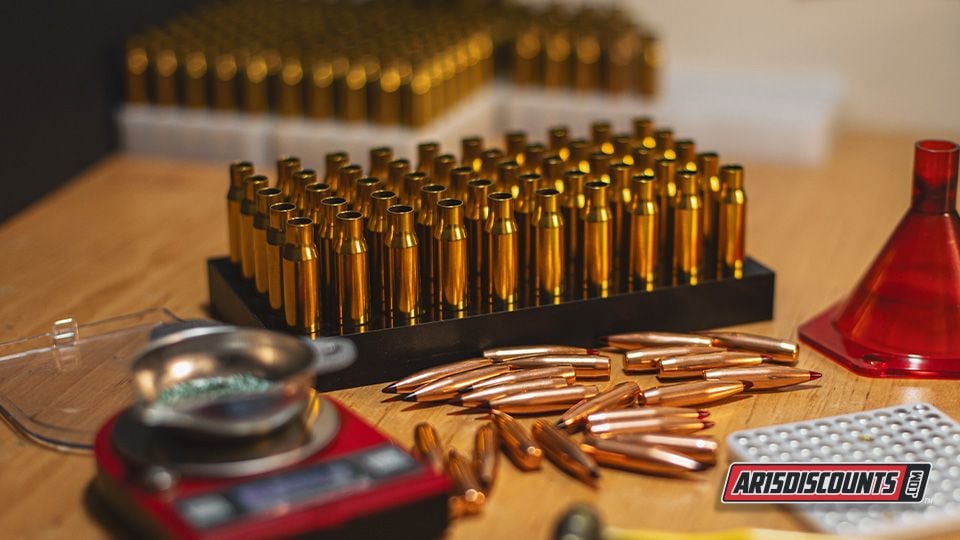
Getting started with reloading can feel overwhelming at first. There are presses, dies, scales, priming tools, case prep tools, manuals, powder measures, shellholders, calipers, and bench accessories to sort through before you ever load your first round. The good news is that most beginners do not need every tool on the market right away. The best approach is to start with the essential reloading tools, learn the process safely, and upgrade as your needs become more specific.
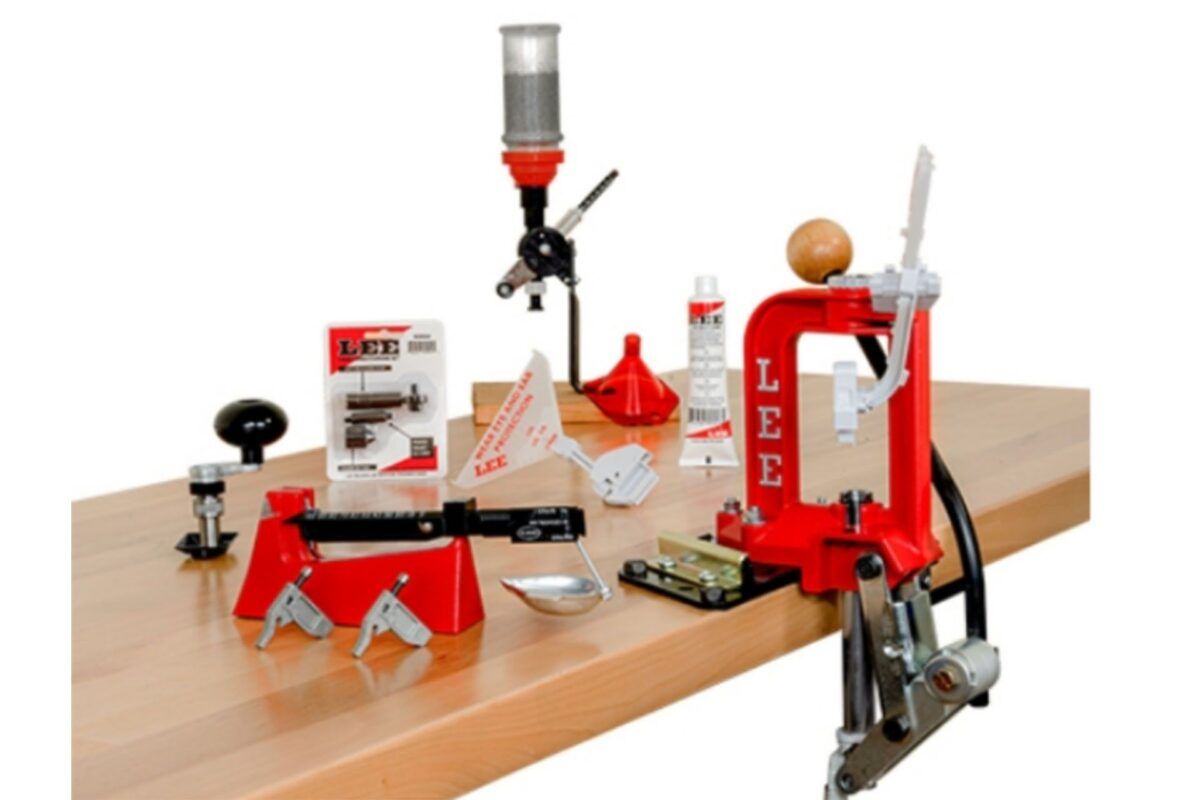
Reloading tools are not just about saving money on ammunition. For many shooters, reloading is about consistency, control, accuracy, and having the ability to tailor ammunition to a specific rifle, pistol, or shooting purpose. Whether you are loading handgun ammo for range practice, rifle ammo for precision shooting, or hunting rounds for the season, the right tools make the process safer, smoother, and more repeatable.
This guide breaks down the best reloading tools for beginners in 2026, what each tool does, which ones matter most, and where brands like Dillon Precision, Area 419, Hornady, and Lyman fit into a beginner-friendly setup.
Why Reloading Tools Matter
Reloading ammunition is a precision process. Each round depends on consistent case sizing, reliable priming, accurate powder measurement, proper bullet seating, and safe inspection. The tools for reloading are what help control those steps.
A beginner does not need to buy the most expensive equipment immediately, but cutting corners on the wrong tools can create frustration. A poor scale, a flimsy press, an inconsistent priming setup, or low-quality calipers can lead to inconsistent ammunition and a steeper learning curve.
The goal is to build a reloading bench that is safe, accurate, and easy to grow into. A basic reloading kit may get you started, but most reloaders eventually add better case prep tools, improved measuring tools, upgraded priming tools, and brand-specific accessories that match their preferred workflow.
Start With a Reloading Manual
Before buying ammo reloading tools, every beginner should start with at least one current reloading manual. A manual explains safe procedures, cartridge data, pressure warnings, component selection, and the basic order of operations.
This is one tool that should never be skipped. Online information can be helpful, but a trusted manual gives you structured data and safety guidance in one place. Many reloaders keep more than one manual on the bench so they can compare data from multiple sources.
A good manual is especially important if you plan to load multiple calibers, experiment with bullet weights, or work with rifle cartridges that require more case prep.
Reloading Press: The Center of the Bench
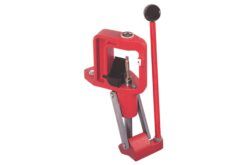
The press anchors any reloading setup. It handles the main mechanical steps, including resizing brass, seating bullets, and, depending on the setup, priming or crimping.
Most beginners choose either a single-stage press or a turret press. A single-stage press handles one operation at a time. It runs more slowly, but it keeps the process simple, robust, and easy to learn. New reloaders often benefit from that slower pace because it helps them understand each step clearly.
A turret press holds multiple dies at once and lets the reloader rotate between them. It works faster than a single-stage press but is easier to manage than a progressive press. Reloaders who want more speed without jumping into a high-volume setup often choose a turret press.
Progressive presses, including many Dillon Precision options, focus on volume. Once set up, they can complete multiple operations with each pull of the handle. Dillon Precision has earned a strong reputation among high-volume pistol and rifle reloaders. Beginners can start with Dillon equipment, but progressive presses usually demand more setup knowledge and close attention to detail.
Hornady reloading tools also work well for beginners and experienced reloaders. Hornady’s Lock-N-Load system makes die changes faster and easier, which helps reloaders who work with multiple calibers.
Precision-focused reloaders often turn to Area 419 for premium reloading equipment and accessories, including high-end press and bench tools. Brand-new reloaders may not need Area 419 gear on day one, but it makes sense for those who want to build toward precision rifle ammunition and long-term bench upgrades.
Reloading Dies
Reloading dies match specific calibers and fit into the press. They resize brass, expand case mouths as needed, seat bullets, and crimp as needed, depending on the cartridge and die set.
Most beginners need a separate die set for each caliber they plan to reload. For handgun cartridges, carbide dies often make sense because they can reduce or eliminate the need for case lube in many common straight-wall pistol calibers. For rifle cartridges, reloaders usually need proper lubrication and careful sizing.
Do not guess when choosing dies. Match the die set to your cartridge, press, and intended use. A basic die set works well for most new reloaders, while precision rifle reloaders may later upgrade to match-grade seating dies, bushing dies, or mandrel systems.
Shellholders and Caliber-Specific Accessories
A shellholder secures the case in the press during resizing, priming, seating, and crimping. Some die sets include shellholders, while others require one to be purchased separately.
Beginners should check compatibility before ordering. The correct shellholder must match the cartridge and the press system. This small tool is easy to overlook, but without it, your reloading setup is not complete.
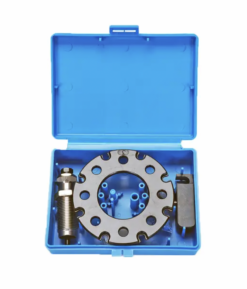
Depending on your setup, you may also need caliber conversion kits, shell plates, powder bushings, case feeder parts, or primer system parts. This is especially true with turret and progressive presses.
Powder Scale
A powder scale is one of the most important reloading tools on the bench. It allows you to verify powder charges and maintain safe, consistent ammunition.
Beginners can use either a mechanical beam scale or a digital powder scale. A quality mechanical scale is accurate and does not require batteries, but it can be slower to use. A digital scale is faster and easier to read, but it should be checked often with calibration weights.
For new reloaders, the key is not whether the scale is mechanical or digital. The key is whether it is accurate, repeatable, and used carefully. Powder charges are not the place to rush.
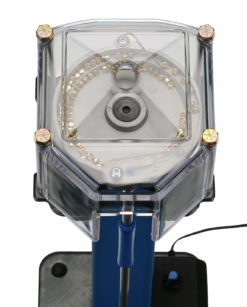
Powder Measure and Powder Trickler
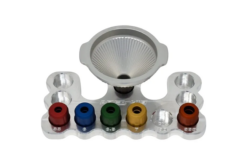
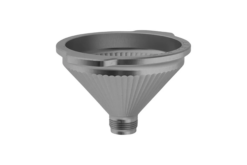
A powder measure dispenses powder charges. It is useful for loading consistent ammunition efficiently, especially when loading more than a few rounds at a time.
A powder trickler allows you to slowly add small amounts of powder to reach an exact charge weight. This is especially useful for precision rifle loading, where consistency matters.
Many basic reloading kits include a powder measure. Some reloaders use the included tool for years, while others eventually upgrade to a more precise or more convenient system. If you are loading bulk handgun ammo, speed may matter more. If you are loading precision rifle ammo, exact charge control may be more important.
Priming Tools
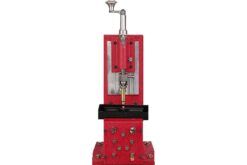
A priming tool reloading setup installs primers into prepared cases. Primers must be seated correctly for safe and reliable ignition.
Some presses include a priming system, but many reloaders prefer a separate hand-priming tool or a bench-mounted priming tool. A dedicated reloading primer tool gives the user a better feel and can make it easier to detect primer seating issues.
The best primer tool for reloading depends on your workflow. A hand priming tool is affordable, compact, and easy to use. A bench-mounted priming tool is more stable and comfortable for larger batches. Progressive presses often include press-mounted priming systems, but those require extra attention to setup and cleanliness.
For beginners, a simple hand priming tool or a reliable press-mounted system is usually enough. As you gain experience, you may decide to upgrade for better speed, comfort, or feel.
Case Prep Tools
Case preparation is one of the most important parts of reloading, especially for rifle ammunition. Brass needs to be inspected, cleaned, resized, trimmed when necessary, chamfered, deburred, and checked before loading.
Important case prep tools include a case trimmer, chamfer and deburring tool, primer pocket cleaner, case lube, loading block, and calipers. Lyman reloading tools are well known in this category, with case prep products, tumblers, trimmers, and related bench tools that help reloaders keep brass clean and consistent.
For handgun ammunition, case prep may be simpler, especially when loading straight-wall cartridges. For rifle ammunition, case prep usually matters more because case length and neck condition can affect consistency and safety.
Area 419 is another brand worth mentioning for reloaders who eventually want premium bench upgrades. Area 419 loading blocks, die storage blocks, and precision-focused tools are popular among reloaders who want a cleaner, more organized, and more refined bench setup.
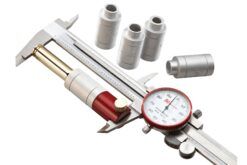
Calipers
Calipers are essential for measuring the cartridge’s overall length, case length, and other dimensions. A beginner reloader should have a reliable set of calipers before loading ammunition.
Digital calipers are easy to read and convenient, while dial calipers are simple and do not rely on batteries. Either can work as long as they are accurate and used properly.
Calipers directly affect consistency by confirming that your brass and loaded rounds are within expected dimensions. This is one of those tools that is worth buying once rather than replacing repeatedly.
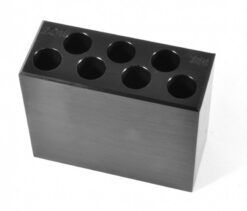
Loading Blocks
A loading block holds cases upright during reloading. It helps keep the bench organized and makes it easier to inspect powder levels before seating bullets.
This is a simple tool, but it is very useful for safety. When cases are lined up in a block, you can visually check that each case has powder and that no case appears obviously overcharged or undercharged.
Beginners should not overlook the value of a good loading block. It is inexpensive, practical, and one of the easiest ways to keep your process organized.
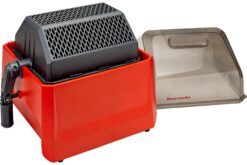
Case Cleaning Tools
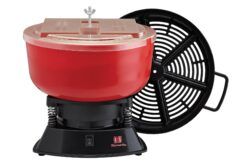
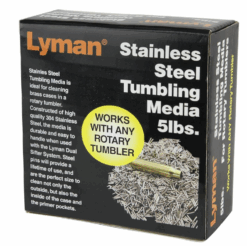
Clean brass is easier to inspect and reload. Case-cleaning tools can include vibratory tumblers, rotary tumblers, media separators, ultrasonic cleaners, and case-cleaning solutions.
A beginner does not always need the most advanced cleaning system right away. A basic tumbler can be enough to get started. As you load more ammunition, you may choose to upgrade to a larger or more efficient cleaning setup.
Clean brass also helps protect your dies from unnecessary grit and debris. That makes case cleaning more than just a cosmetic issue.

Reloading Kits vs. Buying Tools Separately
A basic reloading kit can be a smart starting point. Many kits include a press, powder measure, scale, loading block, case prep tools, and a manual. Hornady reloading tools are often sold in beginner-friendly kit formats, which can simplify the buying process.
The advantage of a kit is convenience. You can get most major tools with one purchase and start learning without building a bench piece by piece.
The downside is that kits may include tools you eventually replace. Many beginners upgrade scales, priming tools, case trimmers, powder measures, or case prep tools after gaining experience. That does not make a kit a bad purchase. It simply means a kit is a starting point, not always a final bench setup.
Buying tools separately gives you more control. You can choose a better scale, a specific press, a preferred priming system, and premium accessories from the start. This route usually costs more upfront but may reduce duplicate purchases later.
Magazine Reloading Tool vs. Ammo Reloading Tools
A magazine reloading tool and ammunition reloading equipment serve different purposes. A magazine loader helps you load cartridges into firearm magazines more easily. Ammo reloading tools help you assemble ammunition from components like brass, primers, powder, and bullets.
Both tools have value, but they do different jobs. If you are building a reloading bench, start with ammunition reloading tools first. Treat a magazine reloading tool as a range accessory, not a bench essential.
Antique Reloading Tools vs. Modern Reloading Tools
Some reloaders enjoy collecting antique reloading tools, and older presses or hand tools can be interesting from a historical standpoint. However, beginners are usually better served by modern tools.
Modern reloading tools are easier to match with current components, current dies, and current safety data. They also typically offer better parts availability, clearer instructions, and broader support.
Antique reloading tools can be collectible, but they are not the best starting point for someone learning the process in 2026.
What Reloading Tools Should You Buy First?
A practical beginner setup should include a reloading manual, press, die set, shellholder, powder scale, powder measure, calipers, priming tool, loading block, case lube, case prep tools, and safety glasses.
After that, you can add a tumbler, upgraded trimmer, better priming system, improved powder dispenser, case gauges, bullet comparator tools, and premium bench accessories.
If your main goal is basic handgun ammo, you may prioritize speed and simplicity. If your goal is precision rifle ammo, you may prioritize case prep, measuring tools, powder control, and press consistency.
How Much Should Beginners Expect to Spend?
In 2026, a beginner can expect a basic reloading setup to cost several hundred dollars before buying consumable components. A more complete setup with better case prep tools, upgraded measuring tools, and multiple calibers can move closer to the higher end of the beginner budget.
A basic kit may be the most affordable path. A carefully selected setup with premium tools from brands like Dillon Precision, Hornady, Lyman, and Area 419 will cost more but can offer better long-term satisfaction.
Reloading is not always about immediate savings. The value comes from control, consistency, availability, and the ability to build ammunition suited to your needs.
Conclusion: Build a Reloading Bench That Can Grow With You
The best reloading tools for beginners are the ones that help you learn safely, work consistently, and grow over time. You do not need every premium tool on day one, but you do need reliable essentials. Start with a quality press, good dies, an accurate scale, dependable calipers, a safe priming setup, and the right case prep tools for the cartridges you plan to load.
Brands like Hornady, Dillon Precision, Lyman, and Area 419 all have a place on the modern reloading bench. Hornady reloading tools are a strong option for beginners and multi-caliber reloaders. Dillon Precision is a trusted name for reloaders who want volume and long-term press performance. Lyman reloading tools are especially useful for case prep and bench accessories. Area 419 offers premium tools and upgrades for reloaders who want precision-focused equipment.
Whether you are buying your first reloading kit or upgrading your bench one piece at a time, choosing the right reloading tools will make the process safer, smoother, and more enjoyable.
Ready to build your reloading bench? Shop reloading tools and supplies at AR15Discounts.com to find the presses, priming tools, case-prep gear, measuring tools, and bench accessories you need to start reloading with confidence.
FAQ: Beginner Reloading Tools
Before choosing your first setup, it helps to understand which tools are essential, which ones can wait, and which upgrades matter most. These beginner reloading tool questions cover the most common concerns for new reloaders building their first bench.
A beginner should start with a reloading manual, a press, a die set, a shellholder, a powder scale, a powder measure, calipers, a priming tool, a loading block, case lube, and basic case-prep tools. Safety glasses and good lighting are also important.
Yes, you can start with a basic reloading kit, but most kits still require caliber-specific dies, shellholders, components, and sometimes additional case prep tools. Kits are a good starting point, but they are rarely the only purchase needed.
A single-stage press performs one operation at a time and is simple to learn. A turret press holds multiple dies and allows faster movement between steps. Single-stage presses are slower but very beginner-friendly. Turret presses offer greater speed while remaining manageable.
Most beginners should expect to spend several hundred dollars for essential reloading tools. Costs rise if you choose premium presses, digital powder systems, advanced case prep tools, multiple die sets, or progressive equipment.
The press, dies, powder scale, powder measure, calipers, case trimmer, and priming tool all affect consistency. For rifle ammunition, case prep tools and accurate measuring tools are especially important.
Tools like powder measures, scales, priming tools, case trimmers, and tumblers are commonly upgraded later. A quality press, calipers, and solid die sets are worth buying carefully because they can stay on your bench for years.
A mechanical scale is enough if it is accurate and used correctly. A digital scale is faster and easier to read, but it should be calibrated regularly. Either option can work for beginners.
Every beginner should have safety glasses, a current reloading manual, good lighting, labeled storage containers, a clean bench, and tools for measuring and verifying powder charges and cartridge dimensions.
A beginner can start with a small sturdy bench or a dedicated work surface. The key is stability. The press must be mounted securely, and there should be enough room for components, tools, manuals, and safe organization.
Many reloaders eventually replace their scale, powder measure, case trimmer, priming tool, and case cleaning setup. As reloaders become more experienced, they often upgrade for speed, comfort, precision, or higher volume.
For additional support, check out our sister site at www.dirtybirdusa.com