
AR-15 Accessories, AR-15 Basics
The Most Underrated Muzzle Brakes on the Market
Sep
Table of contents
- NBS Tanker Barrett-Style Muzzle Brake
- Strike Industries WarHog Comp
- Presma Muzzle Brake With Blast Forwarding Device
- Precision Armament M4-72 Severe Duty
- Sparrow Dynamics AR-15 Muzzle Brake
- Faxon MuzzLok 3-Port Muzzle Brake
- LANTAC Dragon Dead Air KeyMo Muzzle Brake
- Forward Controls Design 1215KM
- Forward Controls Design 1215XE
- Maxim Defense Hate Brake
- SLR Rifleworks SR22 Dual-Port Brake
- Precision Armament Hypertap Titanium Slim
- Unrivaled Armory UB Tunable Muzzle Brake
- Breek Arms Echo Single-Port Muzzle Brake
- Do Not Overlook the Muzzle Brake
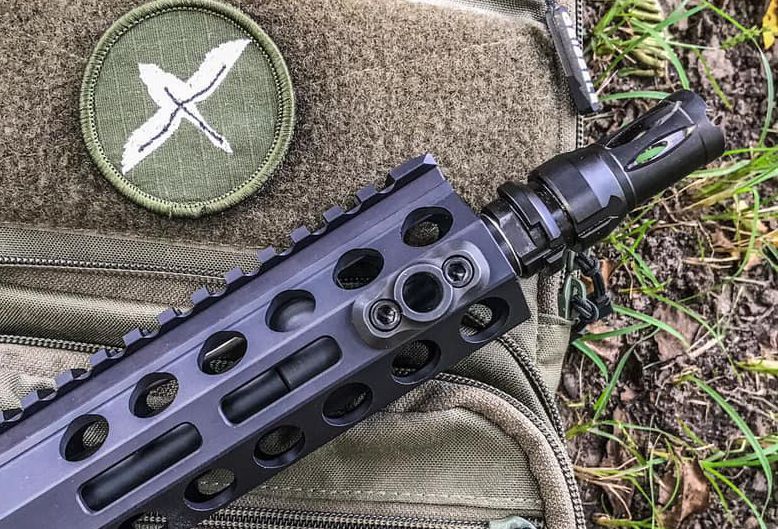
A muzzle brake does not have to be the newest, most expensive, or most recognizable device on the end of an AR to make a noticeable difference. In fact, some of the more interesting muzzle brakes on the market tend to get overlooked because they are competing against a handful of products that have dominated the conversation for years. That leaves plenty of genuinely useful designs sitting just outside the spotlight.
The best muzzle brake is also not necessarily the one that produces the greatest possible recoil reduction. Barrel length, rifle weight, suppressor plans, shooting position, overall length, and tolerance for concussion all matter. Some shooters need maximum braking force. Others want a compact brake that does not add unnecessary length, a device that doubles as a suppressor mount, or something that can be tuned around a particular rifle. With that in mind, these are some of the more underrated muzzle brake options currently available through AR15Discounts.
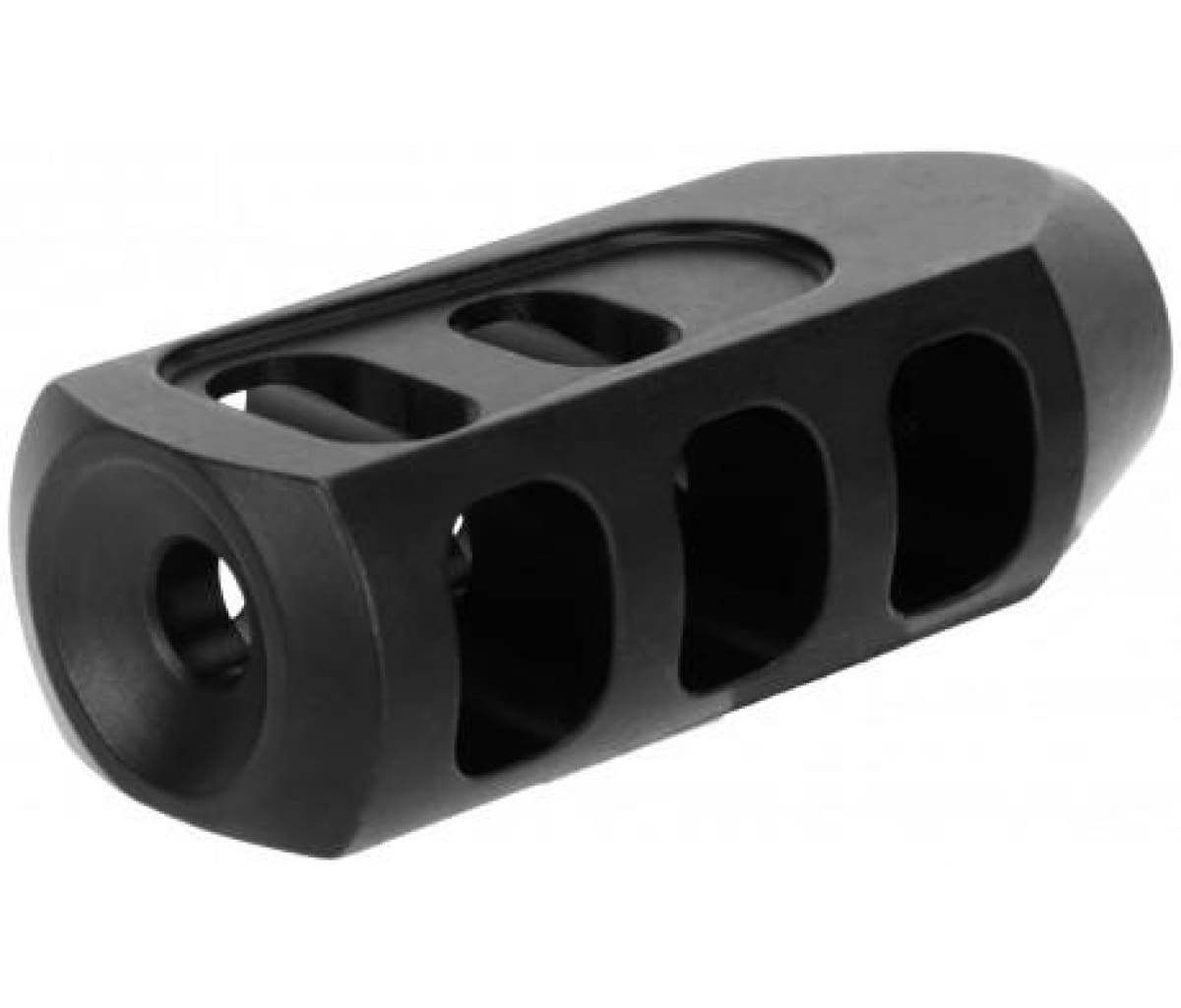
NBS Tanker Barrett-Style Muzzle Brake
NBS is AR15Discounts’ house brand, built around sourcing straightforward components without adding unnecessary cost or branding. The Tanker brake fits that philosophy while looking considerably less restrained than most NBS parts.
Inspired by the oversized brakes associated with heavy rifles, the Tanker uses large chambers and a wide body that give a 5.56 AR a completely different appearance. The larger design also puts additional mass at the muzzle and provides an aggressive gas-redirection layout. It is not something most shooters would choose for an ultralight carbine, but on a dedicated range rifle or build where weight is secondary to recoil control and appearance, the Tanker makes more sense than its novelty-like appearance initially suggests.
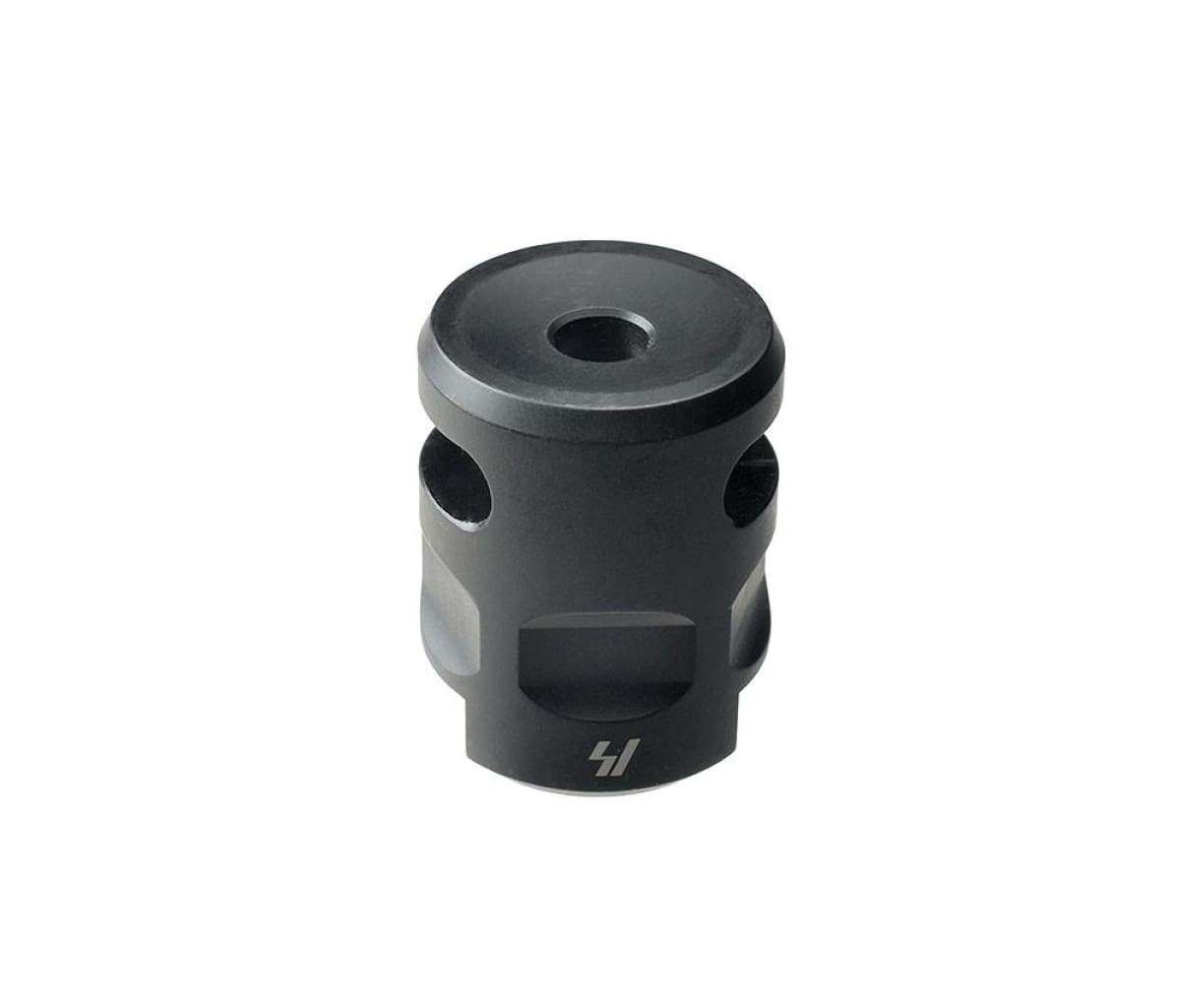
Strike Industries WarHog Comp
Strike Industries has been producing AR and handgun accessories since 2010 and has built much of its lineup around finding unconventional ways to modify familiar firearm components. The WarHog is one of the simpler products in that catalog.
This compact single-chamber design is only about 1.27 inches long and uses a high-efficiency baffle to reduce recoil without adding the length of a larger multi-port brake. Strike specifically designed the WarHog around straight-line recoil reduction rather than deliberately driving the muzzle downward. That neutral behavior makes it particularly interesting for shooters who do not want a compensator aggressively influencing muzzle movement. Its steel construction and QPQ finish also keep the design appropriately durable for regular use.
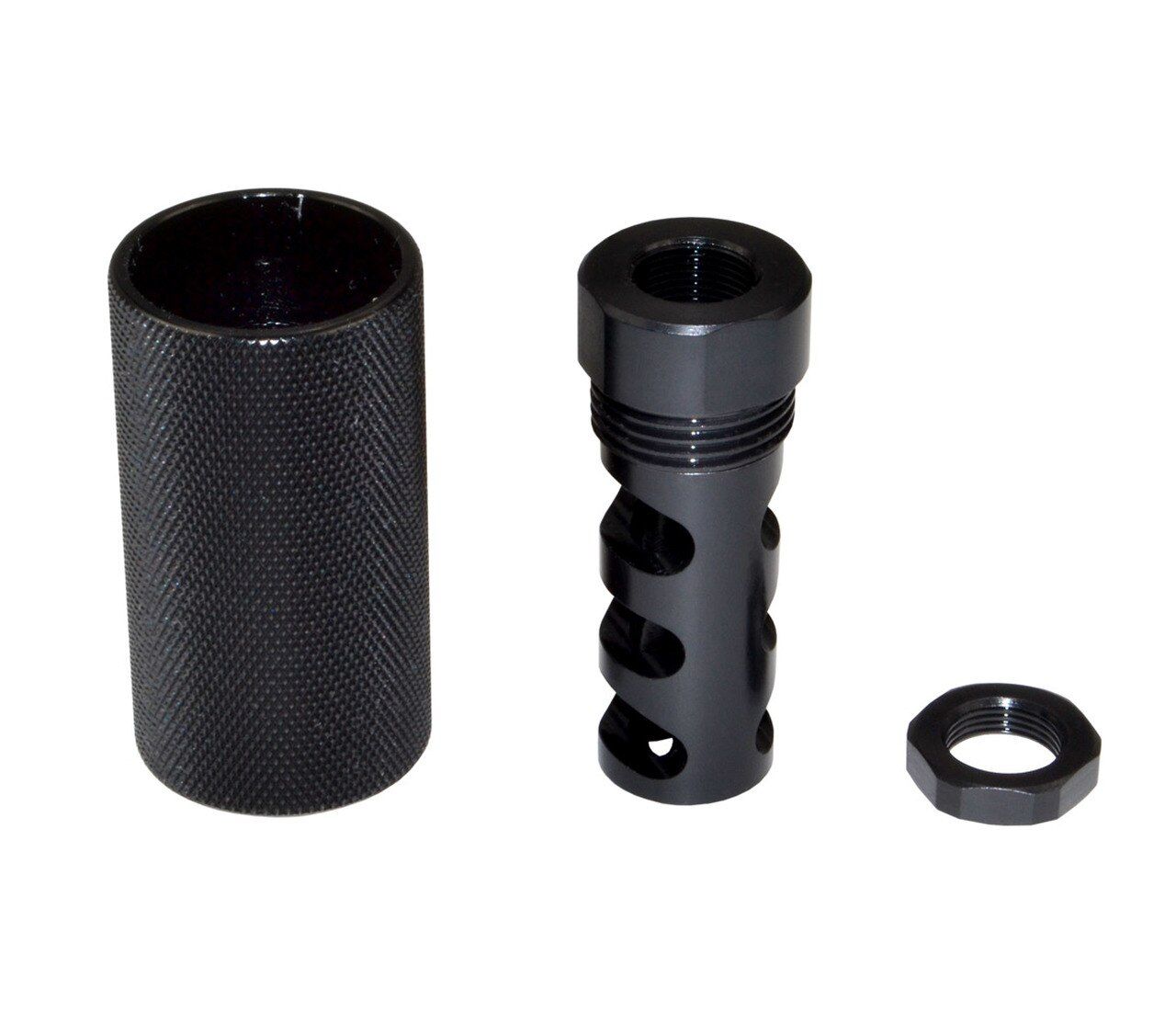
Presma Muzzle Brake With Blast Forwarding Device
The Presma deserves attention because it addresses one of the biggest complaints about any muzzle brake: blast. The 5/8×24 brake can be used on its own for recoil and muzzle-control benefits, but the included blast-forwarding device changes the way the rifle behaves around the shooter.
Installed over the brake, the outer device redirects more of the concussion forward rather than laterally toward the shooter or neighboring positions. That comes with a tradeoff because enclosing a brake can reduce some of its effectiveness, but it gives the owner two noticeably different configurations without changing the underlying muzzle device. For .30-caliber AR builds, particularly compact rifles where concussion becomes difficult to ignore, that versatility is the real attraction.
Precision Armament M4-72 Severe Duty
Precision Armament operates a CNC manufacturing facility in Wellsville, New York, with a focus on high-performance firearm accessories. The M4-72 represents the company’s more aggressive approach to recoil management.
Its compact triple-baffle design redirects a significant amount of gas and Precision Armament rates the design for up to 75 percent felt-recoil reduction. Just as important, the bottom is closed rather than heavily ported. That helps minimize the amount of dust and debris kicked up when firing prone. The M4-72 is machined from stainless steel and remains compatible with many accessories designed around the dimensions of an A2 flash hider. For shooters who actually want a dedicated brake rather than a mild hybrid device, it remains an easy one to overlook.
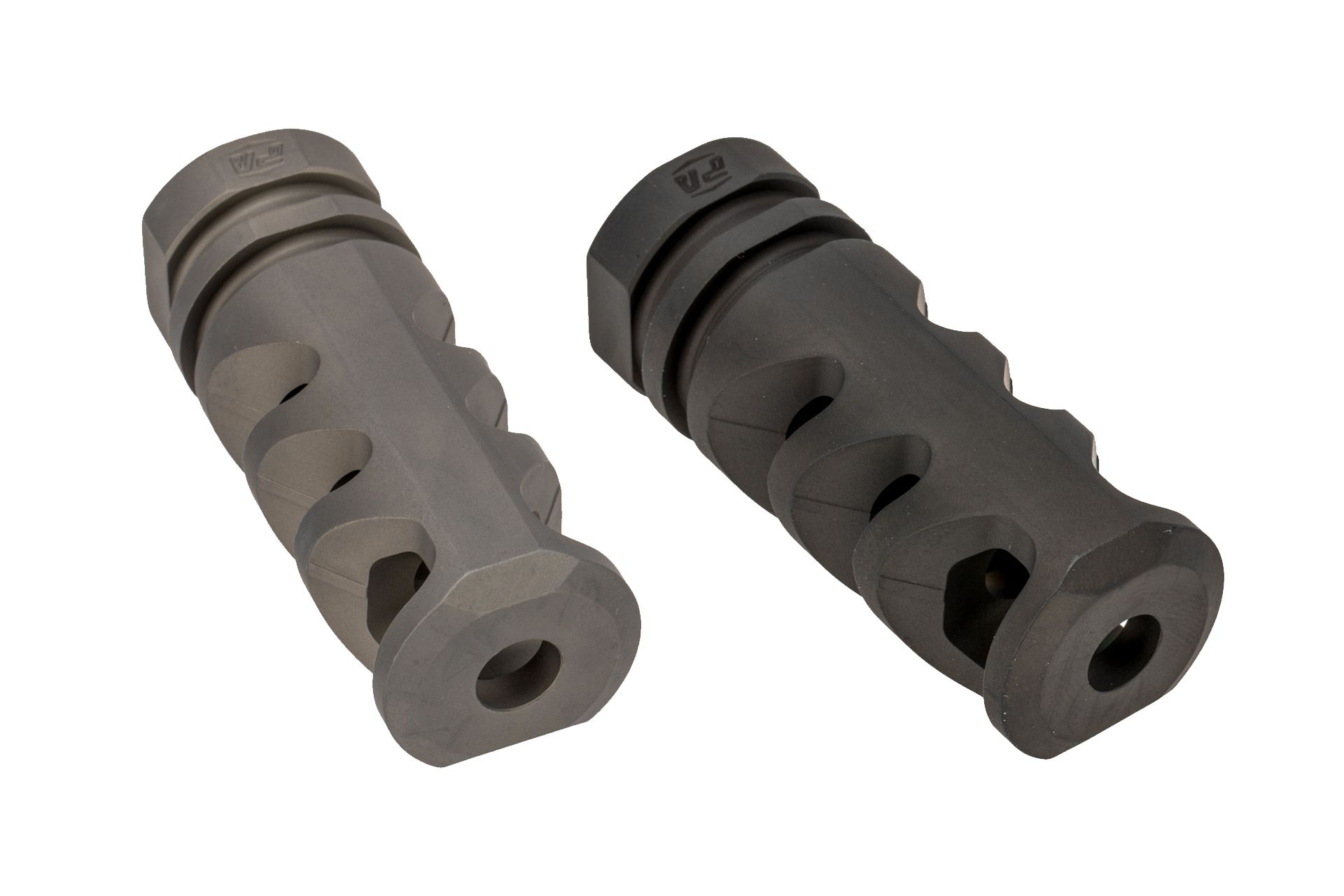
Sparrow Dynamics AR-15 Muzzle Brake
Sparrow Dynamics is a Northern California brand operated by Sparrow Product Development, with much of its firearm catalog centered around practical components and compliance-oriented rifle configurations.
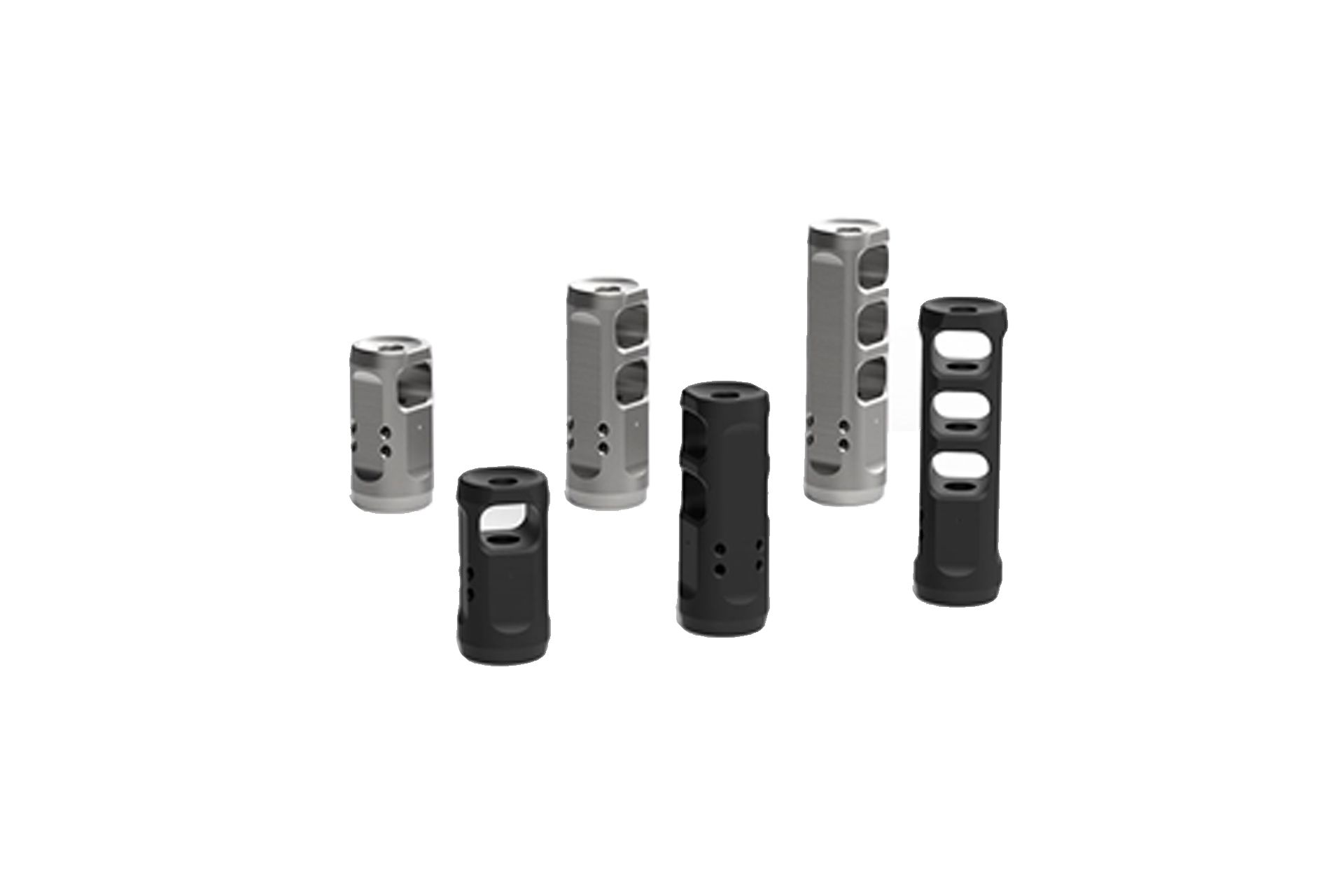
Its AR muzzle brake is unusual because shooters can choose one, two, or three-port versions. Large side ports work on rearward recoil while four smaller top ports help control muzzle rise. The longer models also have another potential role. Sparrow designed the two-port version with enough length for certain 14.5-inch pin-and-weld builds and the three-port version for certain 13.7-inch applications when properly installed. Machined from hardened 416 stainless steel, it combines recoil management with a very practical approach to overall rifle configuration.
Faxon MuzzLok 3-Port Muzzle Brake
Faxon Firearms grew out of Faxon Machining, a Cincinnati-area manufacturing company founded in 1978. Faxon Firearms followed in 2012 and became particularly well known for AR barrels and lightweight rifle components.
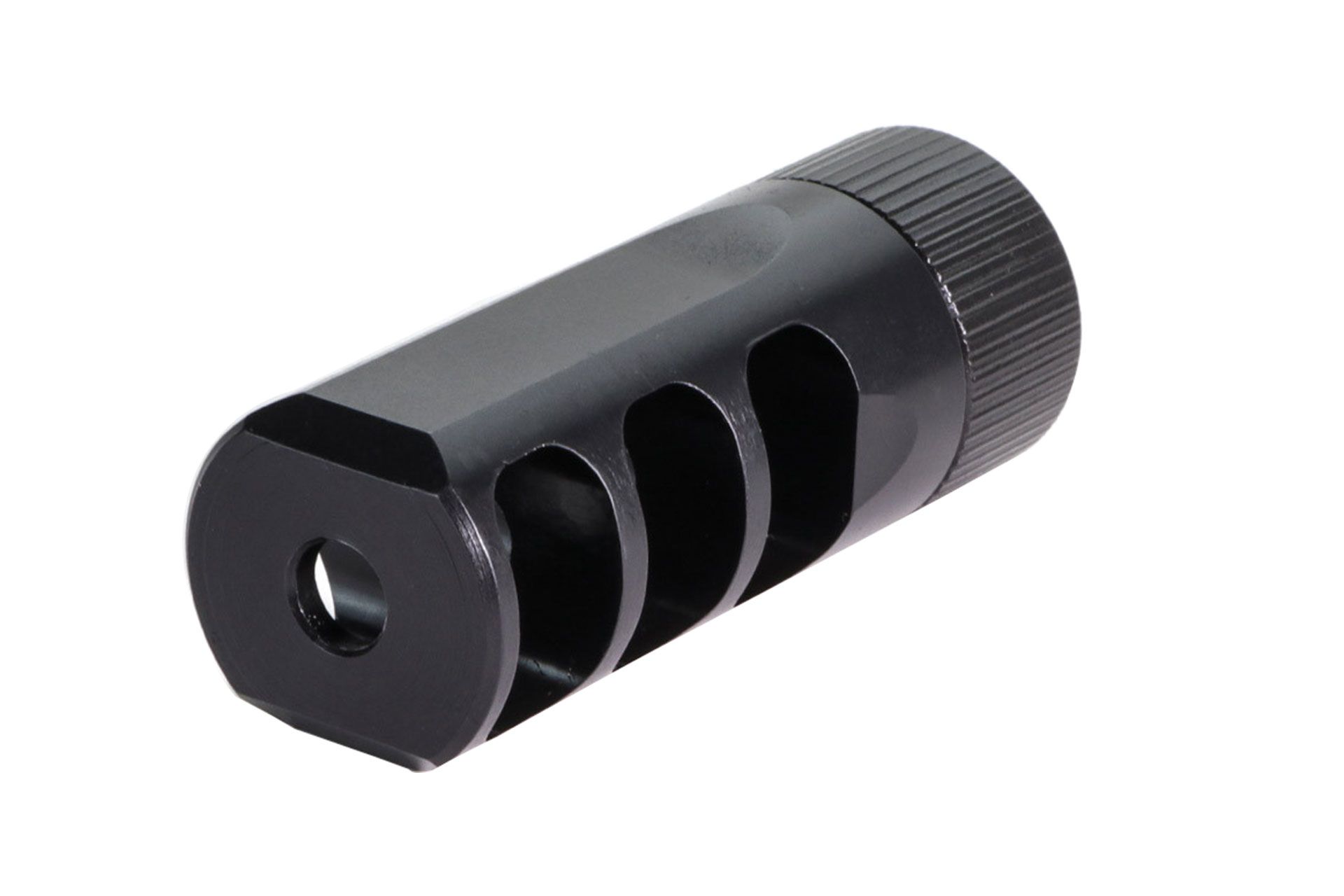
The MuzzLok brake is interesting because installation is part of the design. Faxon’s MuzzLok system uses a locking nut that allows the brake to be timed without relying on a traditional crush washer arrangement. The brake itself uses a three-port layout and is machined from steel with a salt-bath nitride finish. At roughly 2.9 ounces including the MuzzLok nut, it offers a conventional multi-port braking arrangement with an installation system that sets it apart from most devices in the same category.
LANTAC Dragon Dead Air KeyMo Muzzle Brake
LANTAC was founded in 2013, and the original Dragon muzzle brake became one of the products most closely associated with the company. The KeyMo version makes that established brake more useful for shooters already invested in Dead Air’s mounting ecosystem.
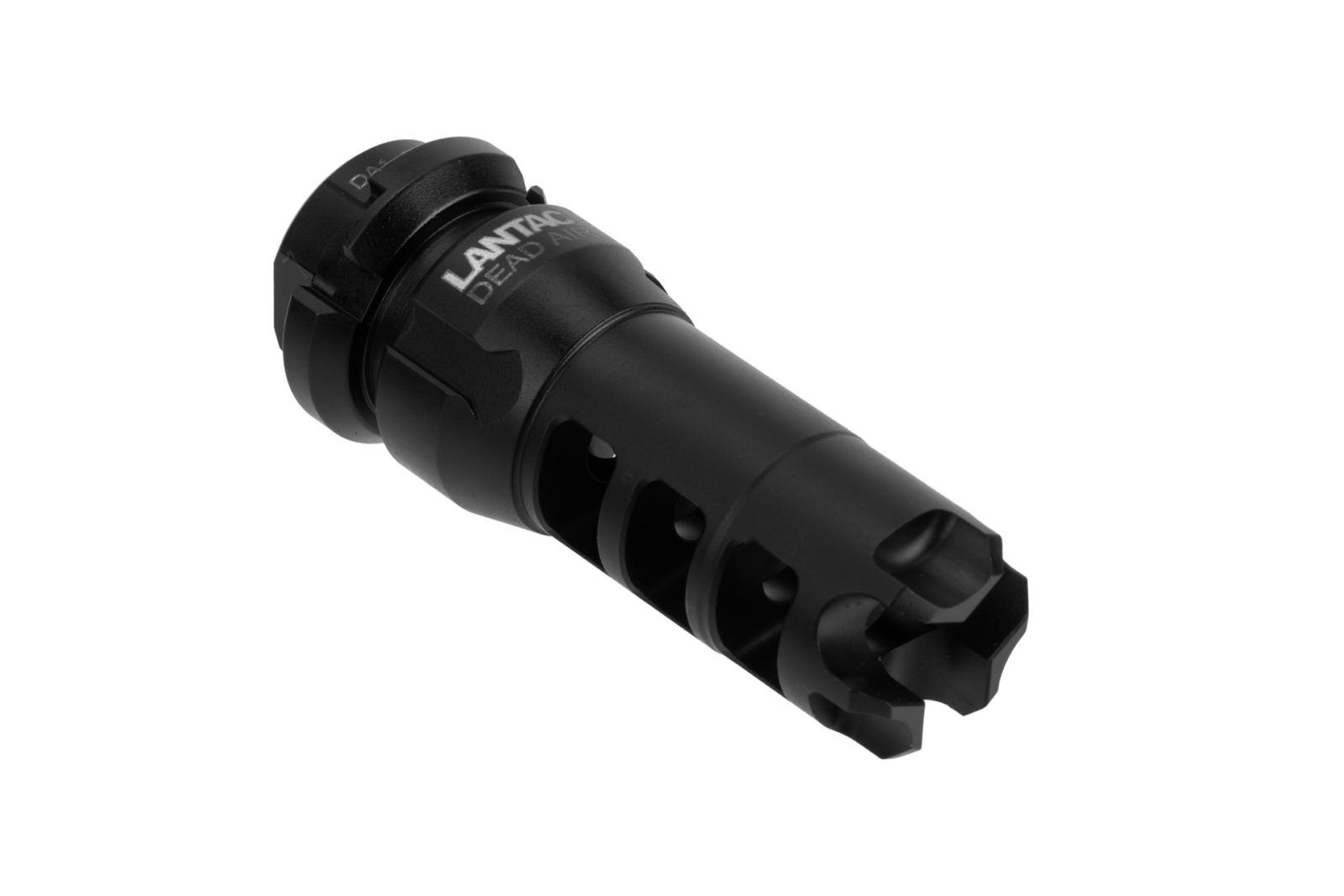
The Dragon uses LANTAC’s gas-management and Short Pulse concepts to reduce recoil and muzzle rise during repeated shots. More importantly for this version, the brake incorporates Dead Air KeyMo compatibility, allowing it to function as a suppressor mount rather than becoming a part that needs to be removed later. That combination of effective unsuppressed performance and suppressor-host capability is what keeps the Dragon relevant even as newer muzzle devices continue to appear.
Forward Controls Design 1215KM
Forward Controls Design was established in 2014 around a deliberately function-first approach to firearm parts. The company tends to make components that look simple until the reasoning behind individual dimensions and features is examined closely.
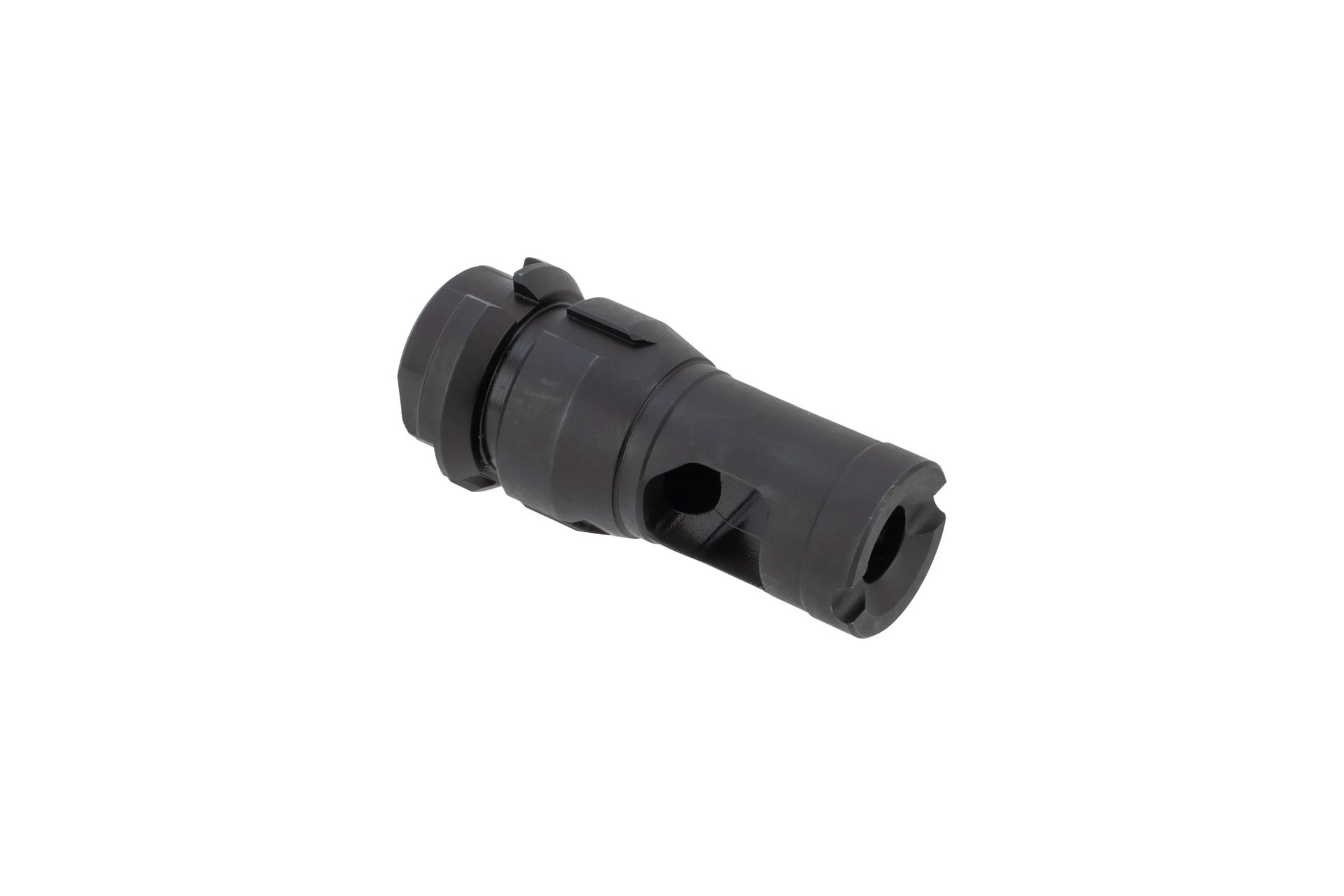
The 1215KM follows that philosophy. It is a single-chamber brake that also serves as a Dead Air KeyMo suppressor mount and sacrificial baffle. FCD uses a .30-caliber bore on the 5.56-threaded brake to reduce blast and concussion, while the side ports are arranged so gas is not intentionally directed rearward toward the shooter. For someone who wants KeyMo compatibility but does not want an especially aggressive brake between suppressed sessions, the 1215KM fills an interesting middle ground.
Forward Controls Design 1215XE
The 1215XE applies similar thinking to Dead Air’s Xeno mounting system. Rather than simply changing the interface on the 1215KM, FCD uses a dedicated single-chamber design with an additional chamber forward of the main ports.
It is machined from heat-treated 4140 steel and finished in black nitride, with a relatively compact 2.16-inch overall length. The biggest reason to consider it is simple. Shooters committed to the Xeno interface need a muzzle device that works properly without the suppressor attached as well as with it. The 1215XE gives that system a legitimate brake rather than treating the muzzle device as nothing more than an adapter.
Maxim Defense Hate Brake
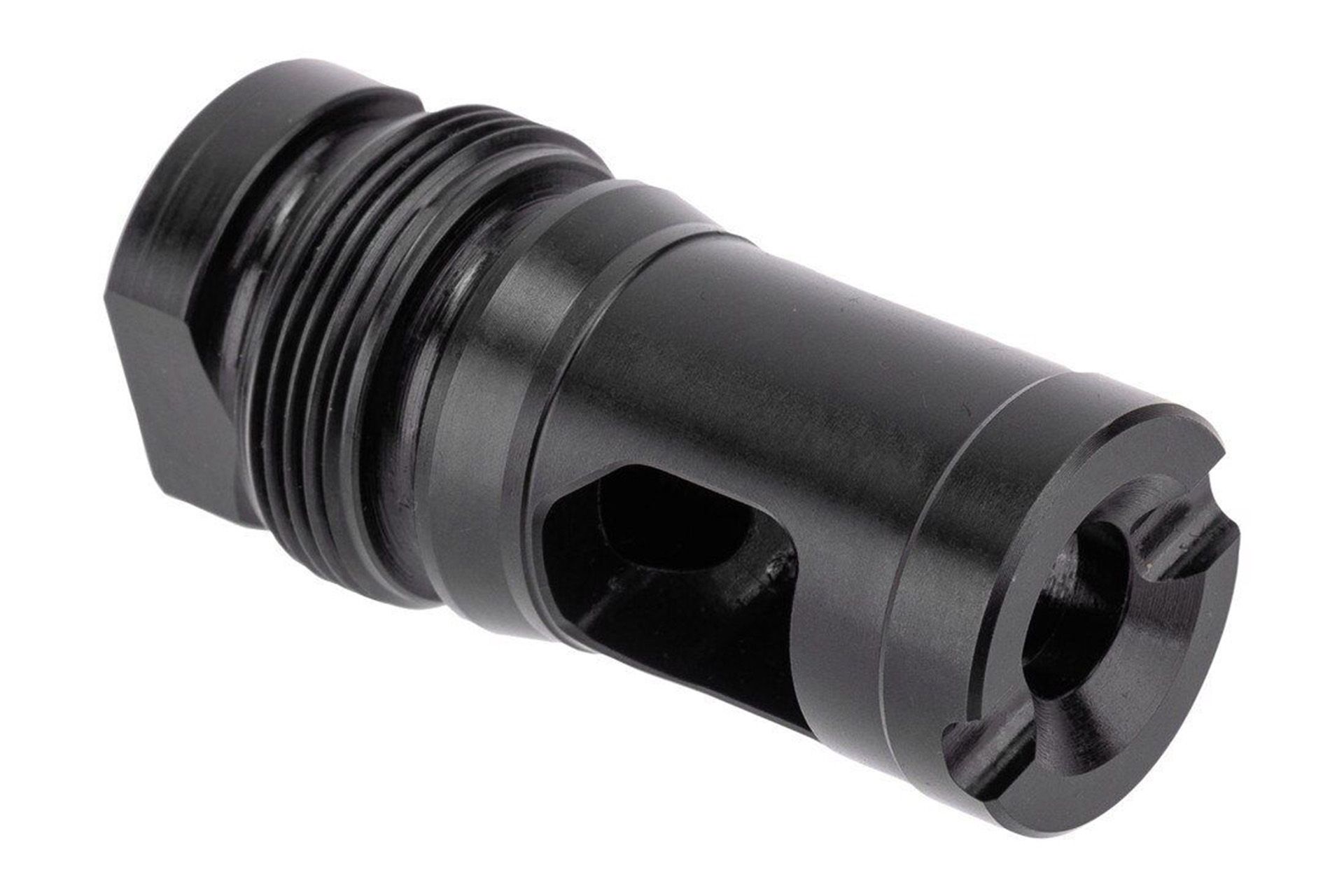
Maxim Defense is known for compact weapon systems, stocks, braces, suppressors, and components designed around short platforms. That background explains the Hate Brake better than judging it as a conventional side-port muzzle brake.
Maxim describes the Hate Brake as a muzzle booster designed to manage exhaust gases and improve cycling reliability on PDW-style firearms. It also redirects the sound signature forward and is intended to reduce flash and recoil. Constructed from 17-4 stainless steel and titanium with a DLC finish, it is a specialized device that makes the most sense on the compact rifles Maxim built it around. That specialization is also why it tends to be misunderstood when compared directly with conventional competition brakes.
SLR Rifleworks SR22 Dual-Port Brake
SLR Rifleworks manufactures its components in Central Florida and is particularly well known for its Sentry adjustable gas blocks, rails, and other AR components. The SR22 takes the same straightforward approach.
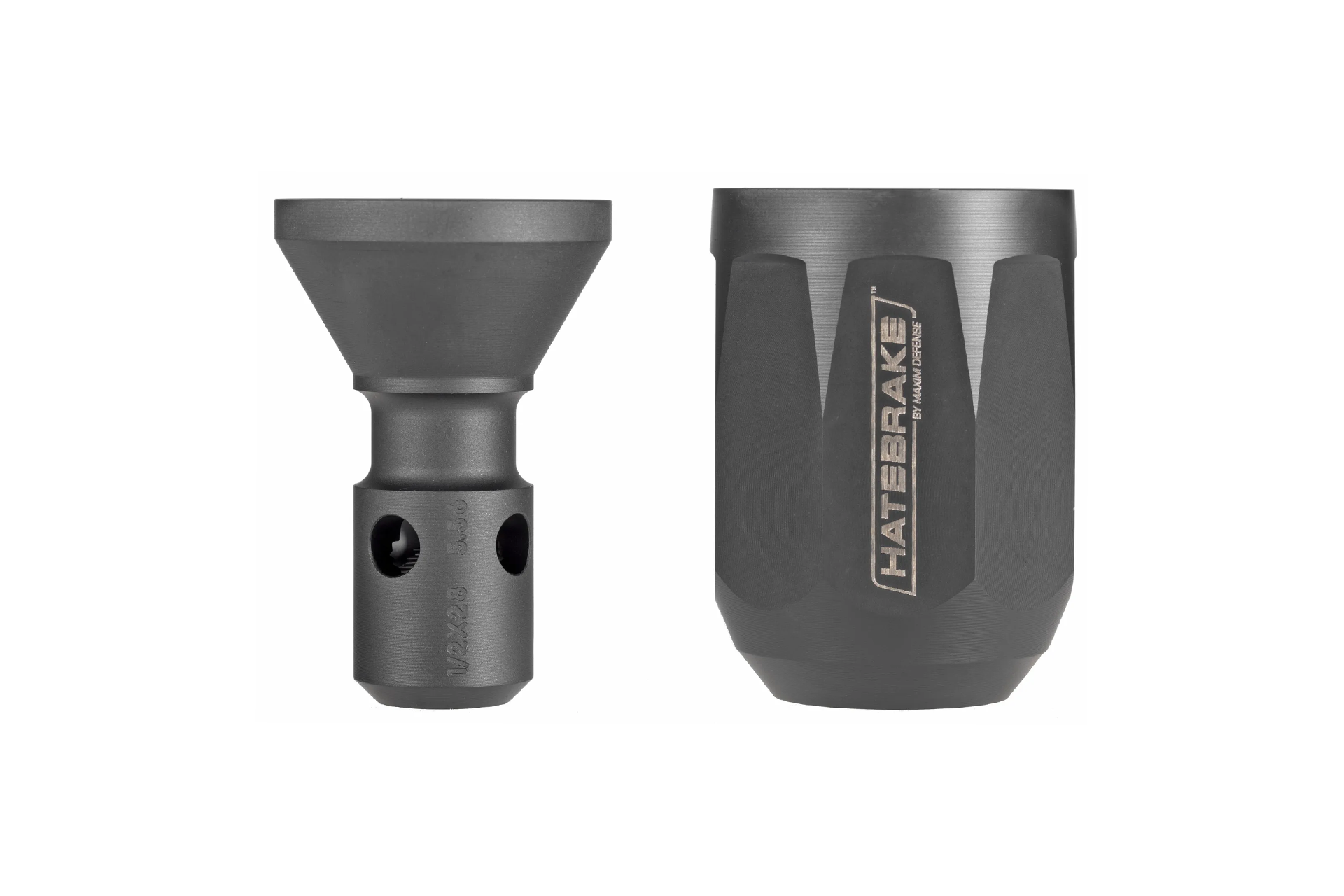
There is nothing unnecessarily complicated about the design. Two large braking chambers, 416 stainless steel construction, a black Melonite finish, 1/2×28 threads, and a 1.88-inch overall length make it a compact dedicated brake for .223 and 5.56 rifles. At 2.3 ounces, it also avoids hanging excessive weight off the muzzle. For shooters who simply want strong muzzle control in a small package, that simplicity is part of the appeal.
Precision Armament Hypertap Titanium Slim
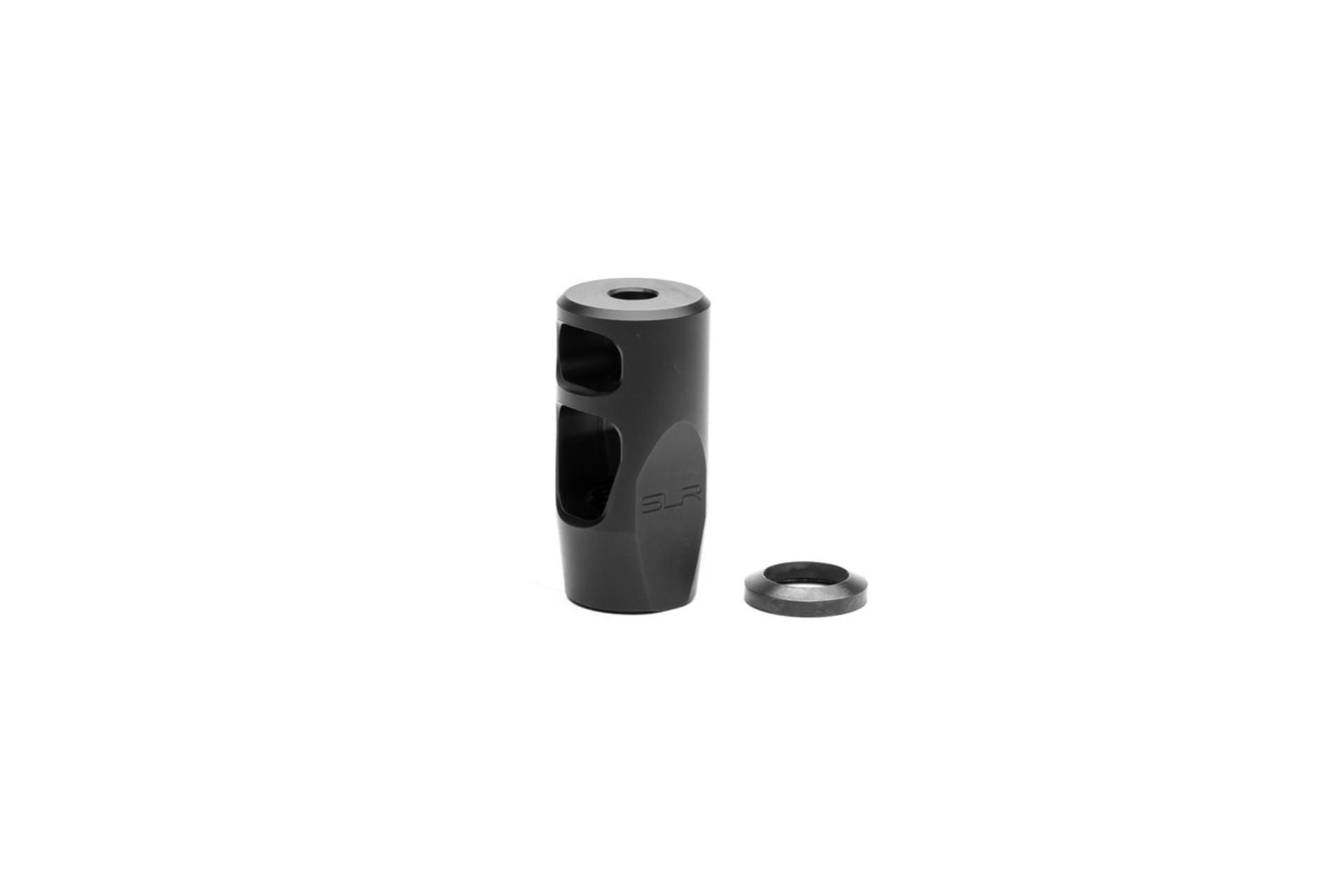
The Hypertap Titanium Slim takes Precision Armament’s recoil-control experience and pushes it toward a much lighter design. Grade 5 titanium drops the brake to roughly 1.6 ounces, making it particularly attractive for rifles where every ounce at the muzzle matters.
Precision Armament uses 35-degree baffle geometry and rates the Hypertap for more than 84 percent recoil reduction. Its 0.9-inch diameter and 2.11-inch length keep it surprisingly compact considering the claimed performance. Many aggressive brakes are heavy enough to partially undermine a lightweight barrel and handguard combination. The titanium Hypertap offers a way to chase substantial recoil reduction without doing the same thing to the rifle’s balance.
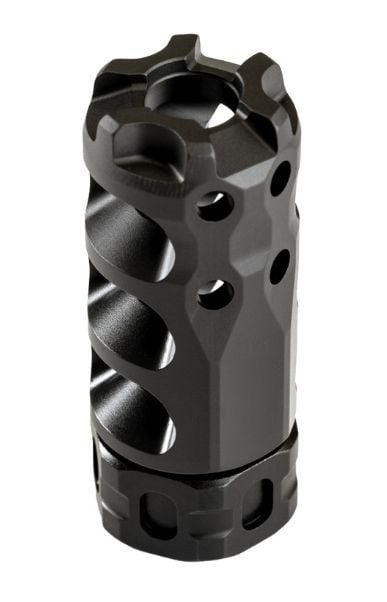
Unrivaled Armory UB Tunable Muzzle Brake
The Unrivaled Armory UB is aimed at shooters who do not want the manufacturer deciding exactly how their muzzle brake should behave. Instead, adjustable ports allow vertical and horizontal compensation to be tuned around the rifle, ammunition, and shooter.
That is the key difference between the UB and most brakes. A fixed muzzle brake is always a compromise because the gas system, barrel length, ammunition, support position, and shooter can change how the rifle tracks. The UB gives the user a way to alter that behavior rather than accepting a predetermined amount of compensation. It measures about 3.3 inches and weighs 4.4 ounces, so this is not the smallest option here, but tunability is the reason to consider it.
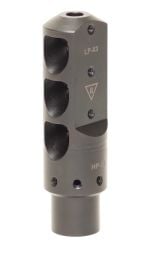
Breek Arms Echo Single-Port Muzzle Brake
Breek Arms was founded in 2016 and has built a growing catalog around AR components and its own Breek-LOK suppressor mounting ecosystem. The Echo is designed to provide a useful brake without becoming excessively large or complicated.
The single-port design uses 90-degree horizontal gas ports to reduce recoil while avoiding some of the more punishing rearward-directed blast produced by aggressive multi-port brakes. It weighs about 2.1 ounces and measures just over two inches long, but the more important feature is Breek-LOK 3QD compatibility. That makes the Echo particularly appealing for someone building toward a Breek-LOK suppressor setup who still wants the rifle to behave well when the suppressor comes off.
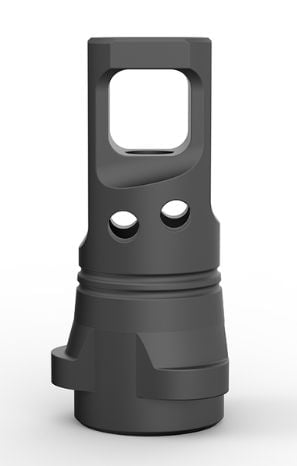
Do Not Overlook the Muzzle Brake
It is easy to treat a muzzle brake as one of the last components selected during an AR build, but that small piece of steel or titanium can dramatically change how the completed rifle behaves. The difference is not limited to recoil. A brake can influence muzzle rise, concussion, rifle balance, suppressor compatibility, overall barrel length, and even how unpleasant the rifle is to shoot from a crowded firing line.
That is why underrated muzzle brakes are often more interesting than simply naming the most aggressive brake available. The M4-72 and Hypertap chase serious recoil reduction. The WarHog and SLR keep things compact. Sparrow adds useful pin-and-weld options. Unrivaled makes tuning part of the equation. LANTAC, FCD, and Breek Arms combine braking with suppressor mounting systems, while Presma approaches the blast problem from another direction entirely.
There is no universal muzzle brake that makes sense on every rifle. Look at what the rifle actually needs, how it will be fired, whether a suppressor is eventually part of the plan, and how much additional blast is acceptable. Once those questions are answered, some of the less obvious options at AR15Discounts start looking considerably more interesting.