
AR Rifle, AR-15 Basics, AR-15 Lower Receivers
Stripped vs. Complete AR-15 Lower Receiver: Which One Should You Buy?
Jul
Table of contents
Deciding on the right foundation for an AR-15 build can shape the entire project. The AR-15 lower receiver serves as the serialized heart of the rifle, housing critical components like the trigger group, safety selector, and buffer system while connecting everything else. New builders often wonder whether to start with a stripped lower and assemble it piece by piece or opt for a complete lower that arrives mostly ready to go. Both paths have clear strengths depending on experience level, time available, budget, and desired level of customization. Understanding the practical differences helps match the choice to individual goals.

TL;DR- Too Long Didn’t Read
Choosing between a stripped or complete AR-15 lower receiver impacts the customization, cost, and complexity of building a rifle. Understanding the differences ensures the right decision based on personal needs and experience.
- Stripped lowers allow for full customization and require assembly with a parts kit and tools.
- Complete lowers provide convenience with pre-installed parts, ideal for beginners or those wanting quick assembly.
- Cost efficiency varies; stripped lowers are cheaper but require tools; complete lowers save time.
- Skill level plays a role; experienced builders may prefer the flexibility of stripped lowers.
Understanding the Core Options
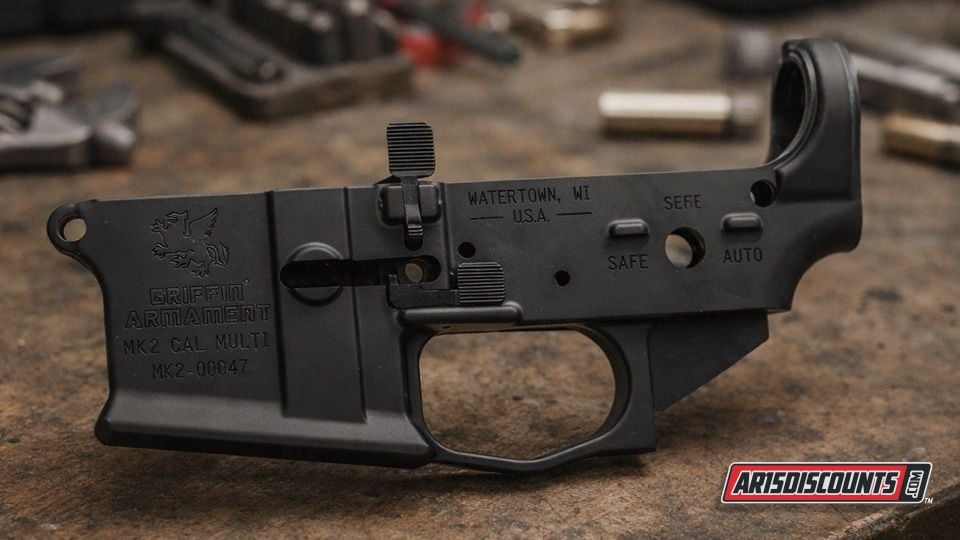
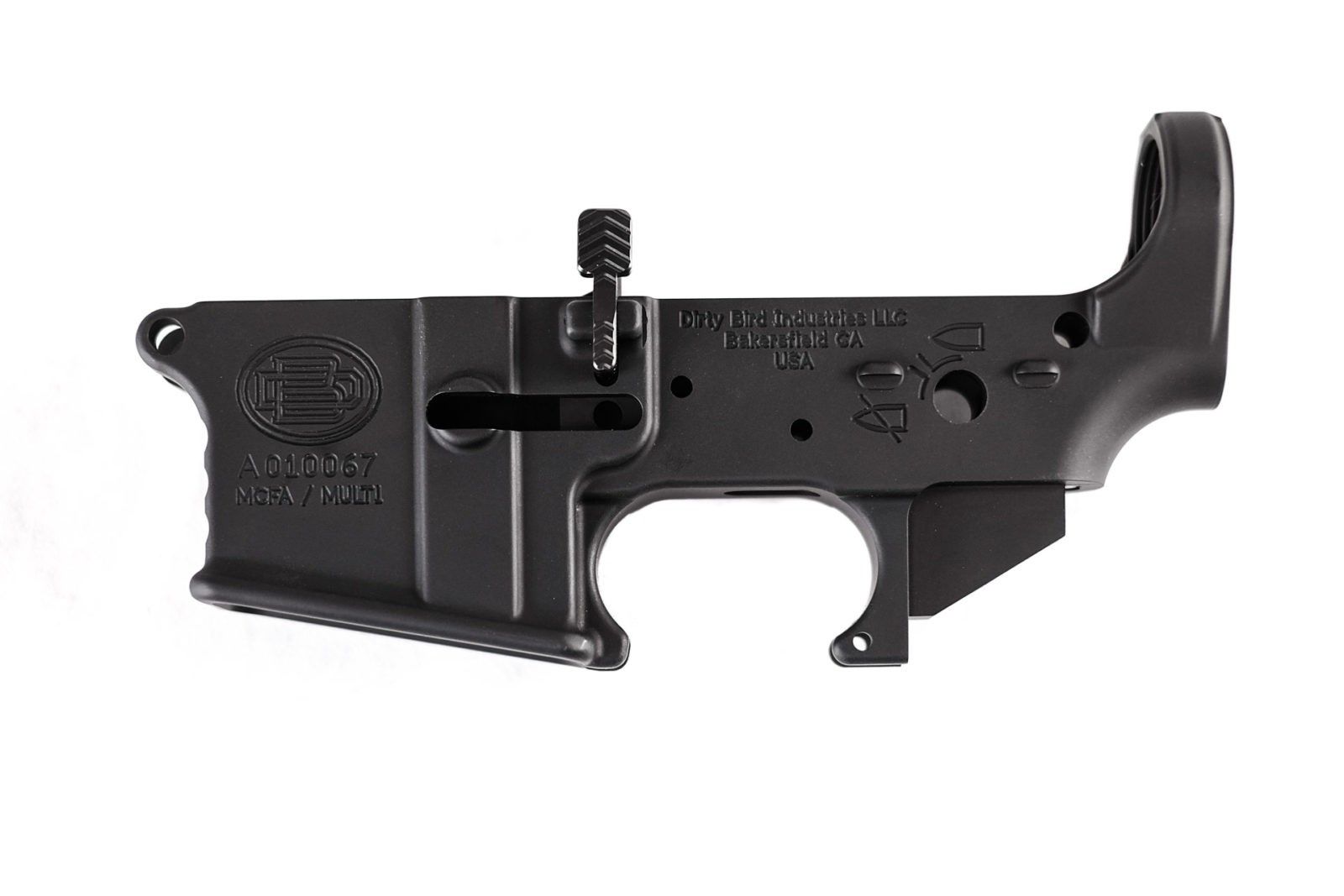
A stripped lower receiver arrives as a bare aluminum forging or billet with only the basic structure machined in. It requires a full lower parts kit, buffer tube assembly, stock, and grip before it becomes functional. This route appeals to those who enjoy hands-on work and want full control over every detail.
A complete lower comes pre-assembled with most or all internal parts installed, including the trigger, hammer, safety, magazine release, bolt catch, grip, and often the buffer tube with stock. Some models even include enhanced features like specialized selectors. Partial complete options sit in between, with key internals fitted but leaving room for personal choices on the stock or other add-ons.
Key Factors in the Decision
Cost plays a major role for many buyers. Purchasing a stripped lower plus a separate parts kit often totals less than a fully assembled unit, especially when shopping sales or building in stages. However, the savings can shrink once tools, time, and potential mistakes enter the equation. Complete lowers cost more upfront but deliver immediate usability after pairing with an upper receiver.
Experience level matters significantly. First-time builders benefit from the reduced frustration of a complete lower, which minimizes the chance of misaligned pins or damaged components during installation. Seasoned builders who already own an armorer’s tool set and enjoy the process frequently prefer stripped lowers to select premium triggers, grips, and stocks exactly as desired.
Assembly Process and Required Tools
Building from a stripped lower involves methodical steps and proper equipment. Essential tools include a receiver vise block to secure the lower safely, roll pin punches of various sizes, a small hammer, an armorer’s wrench for the castle nut, and a torque wrench for proper buffer tube installation. Safety glasses and a clean workspace are non-negotiable.
The sequence typically starts with installing the safety detent and spring, followed by the grip to capture them. Takedown and pivot pins come next, then the bolt catch with its roll pin. Magazine release, safety selector, and fire control group follow, each requiring careful alignment and lubrication of pivot points.
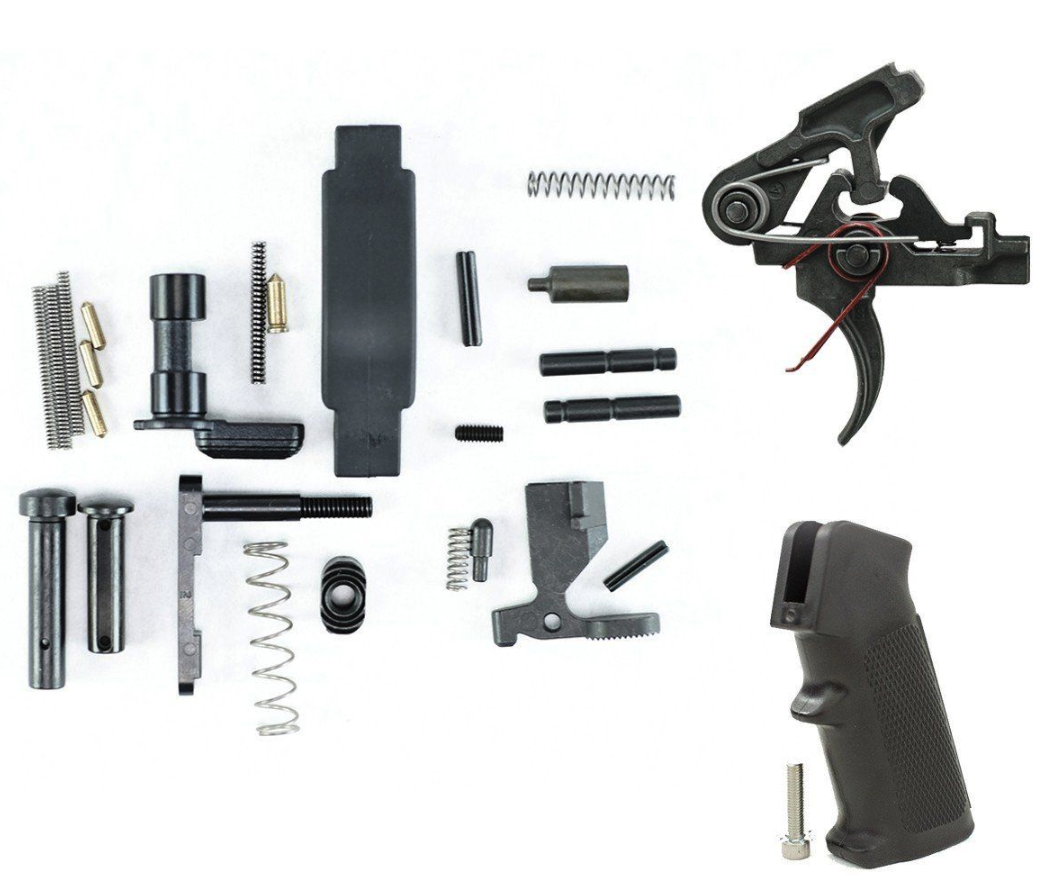
Finally, the buffer tube threads into place with the end plate and castle nut torqued correctly before adding the buffer and stock. A function check without ammunition verifies smooth operation of all controls before live fire.
This process rewards patience but demands attention to detail. Improper pin installation or cross-threading can lead to malfunctions or cosmetic damage. Those short on time or tools often find the pre-assembled route far more practical.
Compatibility and Pairing
Any standard AR-15 upper receiver mates with either a stripped or complete lower, provided dimensions stay within normal tolerances. Multi-caliber lowers add versatility for different chamberings. Features like flared magazine wells or tension screws on some billet models improve fit and feel without affecting basic compatibility. Ambidextrous designs with enhanced bolt releases and magazine controls offer advantages for left-handed shooters or competitive users but may introduce proprietary parts in certain cases.
When Each Choice Makes the Most Sense
A stripped lower makes the most sense when planning extensive future upgrades or when matching specific components like a high-end trigger or custom grip is a priority. This approach suits patient builders who value the satisfaction of a fully personalized rifle and already possess the necessary tools.
A complete lower shines for faster completion, especially when pairing with a ready-to-install upper. It suits beginners, those with limited workspace, or anyone prioritizing reliability over customization. Models equipped with quality internals and even advanced features like three-position selectors deliver solid performance after a simple upper attachment.
Final Thoughts
Choosing between a stripped and complete AR-15 lower receiver ultimately comes down to personal priorities around customization, convenience, skill level, and timeline. Both deliver reliable platforms when sourced from reputable manufacturers using quality materials like 7075-T6 aluminum. Evaluate current tools, available time, and long-term plans before deciding. A well-chosen lower sets the stage for years of accurate, enjoyable shooting regardless of the assembly path selected. Browse the full selection of stripped and complete AR-15 lower receivers at AR15Discounts.com and pair the right foundation with a compatible upper to complete a rifle that fits individual needs.
On paper a stripped lower plus parts kit usually costs less than a complete lower. The gap narrows once tools, time, and the cost of any mistakes are factored in. For builders who already own the necessary tools and enjoy the assembly process, the stripped route genuinely saves money. For everyone else the complete lower often justifies the higher upfront cost.
A complete lower typically includes the trigger, hammer, disconnector, safety selector, magazine release, bolt catch, grip, buffer tube, buffer, buffer spring, end plate, castle nut, and stock. Some models also include enhanced components like upgraded triggers or ambidextrous selectors. Partial complete options may leave the stock or grip for the buyer to choose separately.
A complete lower is the strongest choice for a first-time builder. It eliminates the most common early mistakes, including misaligned roll pins, cross-threaded buffer tubes, and dropped detent springs, and gets a new builder to the range faster with less frustration. Partial complete options are a reasonable middle ground for those who want to install the stock and grip themselves without tackling the full fire control group.
Yes. Both require the same federal firearm transfer process through a licensed dealer because the serialized lower receiver is the legally regulated component regardless of whether it arrives bare or fully assembled.
Yes. Any standard mil-spec AR-15 upper receiver is compatible with either a stripped or complete lower, provided both are built to standard tolerances. The assembly path of the lower has no effect on upper compatibility.
A complete lower is worth the premium when speed to functionality is the priority, when tools are limited, when workspace is tight, or when the included components already match the intended build. It is also worth considering when pairing with a ready-to-install upper and wanting a fully functional rifle with minimal additional work.
Yes. A stripped lower gives full control over every internal and external component. Builders who want a specific aftermarket trigger, a particular grip profile, or a non-standard stock will get better results starting with a stripped lower and sourcing each part individually rather than swapping out components from a complete assembly.
A complete lower is a fully or nearly fully assembled unit ready to accept an upper receiver with minimal additional work. A lower build kit is a collection of loose parts, typically a stripped lower plus a lower parts kit and buffer components, that requires full assembly by the buyer. The end result can be identical, but the build kit demands more time, tools, and skill to get there.
Yes, with one caveat. If planned upgrades are significant, starting stripped makes sense because it avoids paying for factory components that will be immediately replaced. However, if upgrades are further down the road, a complete lower gets the rifle running now and still allows part-by-part upgrades over time.
Yes. Pairing a complete lower with a complete upper is the fastest path to a functional rifle. Most complete lowers require nothing more than inserting the takedown and pivot pins to mate with an upper, making them the most efficient option for builders focused on results rather than the assembly experience.