
AR-15 Basics, AR-15 Triggers
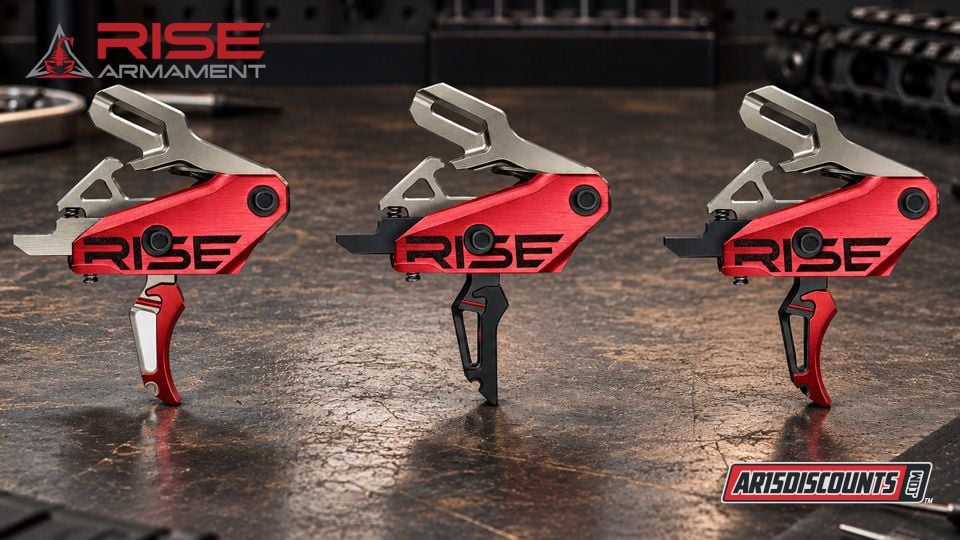
Rise Armament REV-535 Overview
Sep
Table of contents
Upgrading the trigger is one of the easiest ways to change how an AR-15 feels and performs. A standard mil-spec trigger is reliable, but the heavier pull, longer travel, and basic reset leave plenty of room for improvement. That is where aftermarket drop-in triggers have become so popular.
The Rise Armament REV-535 takes the company’s established RA-535 single-stage design and adds a new feature aimed at making installation much easier. Rise calls it Slide and Snap. Instead of dealing with separate trigger pins and additional hardware, the REV-535 incorporates the pins into the cassette itself.
The result is a premium single-stage trigger designed to deliver the familiar RA-535 feel while cutting down the time and effort normally involved in installing a drop-in trigger.
What the REV-535 Feels Like
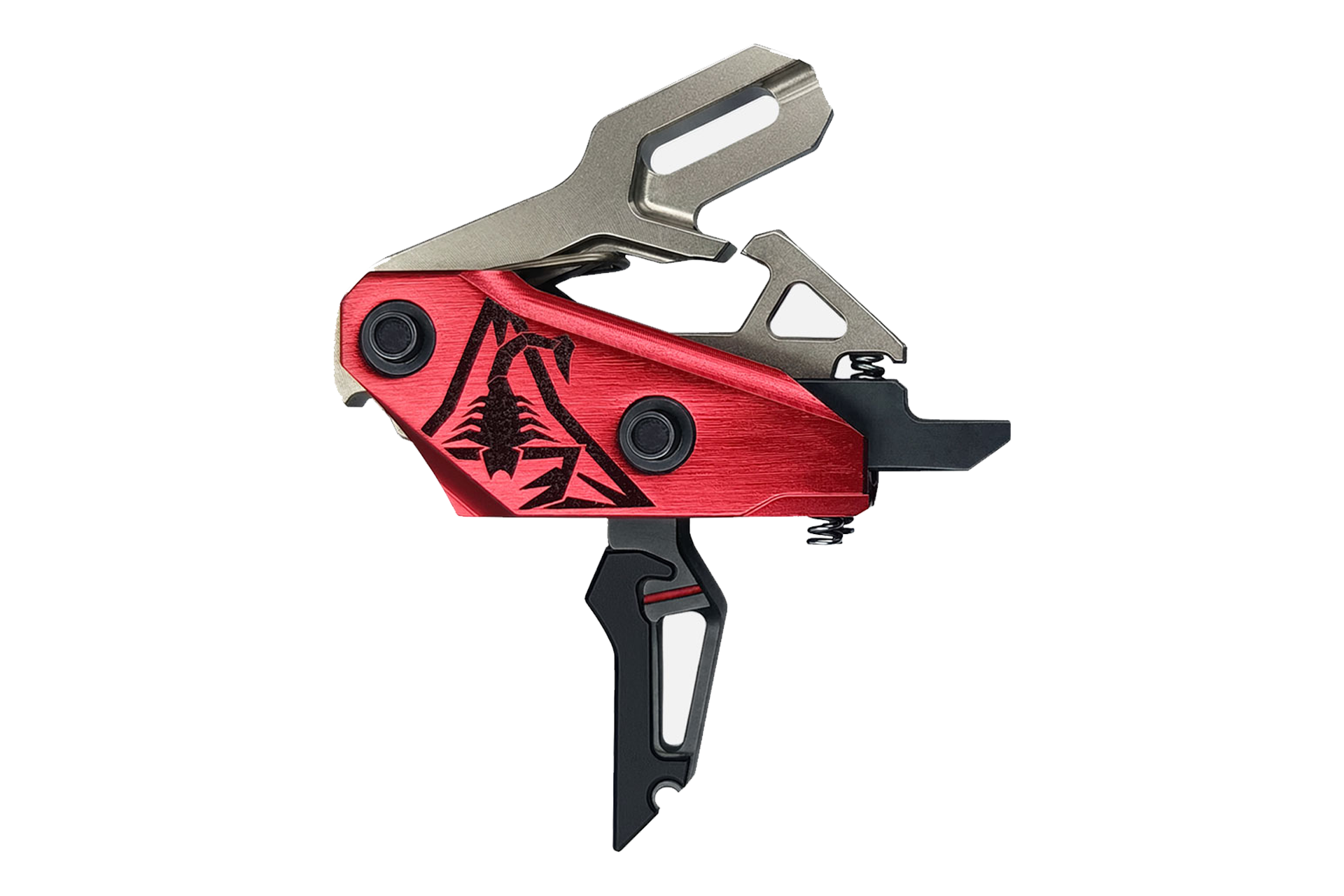
The REV-535 is a single-stage trigger designed for AR-15 and AR-10 receivers using standard small trigger pins. Pull weight is approximately 3 to 3.5 pounds.
Like the RA-535, there is very little wasted movement before the break. The trigger moves quickly into the sear, breaks cleanly, and follows with a short reset. Rise refers to its reset system as Quik-Klik.
Shooters already familiar with the RA-535 should have a good idea of what to expect. The major change with the REV-535 is not the basic trigger feel. It is the redesigned cassette and installation system surrounding it.
Slide and Snap Installation
Installation is the feature that separates the REV-535 from most other drop-in triggers.
Traditional cassette-style triggers still require the installer to align the trigger and hammer pin holes before inserting separate pins through the receiver. Depending on the trigger and lower, other hardware may also need to be adjusted or removed.
The REV-535 uses integrated pins that remain part of the trigger cassette. The assembly drops into the fire-control pocket and the pins are then positioned through the receiver.
Rise says installation can be completed in less than a minute on a compatible lower. The system also eliminates set screws and does not require threadlocker.
That may not sound like a major change for someone installing one trigger, but it becomes much more useful for builders who regularly assemble or change components between lowers. There are fewer loose parts to keep track of and fewer steps between removing the original fire-control group and completing the new installation.
As with any AR component, receiver tolerances can still matter. A tight pin hole, finish buildup, or a lower that is slightly outside normal dimensions can make installation more difficult.
Flat and Curved Trigger Faces
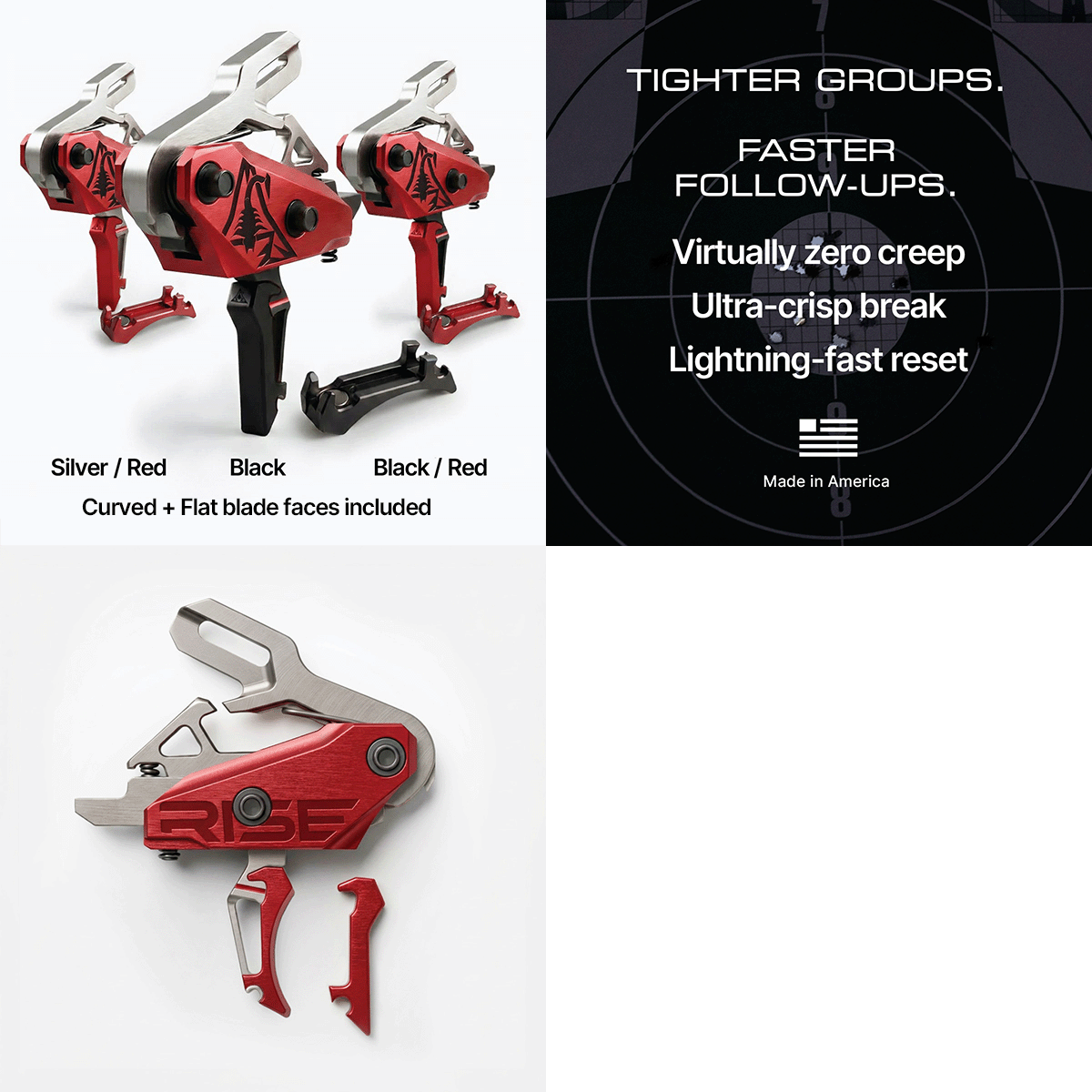
Rise includes both flat and curved trigger faces with the REV-535.
The company uses its TorLok system to attach the interchangeable face to the trigger. This allows the shooter to switch between the two styles without replacing the entire trigger assembly.
Flat triggers have become increasingly common on competition and precision-oriented AR builds because they provide a consistent surface for finger placement. Other shooters simply prefer the familiar feel of a traditional curved trigger.
Including both gives the shooter the ability to try each configuration without purchasing another trigger.
The REV-535 housing is machined from 6061 aluminum, while the internal components use heat-treated S7 tool steel with a nickel boron coating. Rise lists the complete trigger at approximately 2.3 ounces.
The trigger is manufactured in Broken Arrow, Oklahoma, and is covered by Rise Armament’s lifetime manufacturing warranty.
REV-535 Compatibility
The standard REV-535 is intended for AR-pattern receivers using .154-inch small trigger pins.
That includes most modern AR-15 and AR-10 lowers and makes it applicable to rifles chambered in common cartridges such as 5.56 NATO, .300 Blackout, .308 Winchester, and 6.5 Creedmoor.
Some AR9 and pistol-caliber carbine applications may also be compatible, although PCC builds can vary more significantly in bolt and fire-control geometry. Compatibility should always be confirmed before installation.
Large-pin Colt-pattern receivers are not the intended application.
Rise also offers Slide and Snap products designed for forced reset configurations. Those are separate products with different installation requirements, so buyers should pay close attention to the exact model and SKU rather than assuming every REV or 535-series trigger installs the same way.
How It Compares to Other Drop-In Triggers
There is no shortage of good AR-15 triggers available.
Rise itself offers several other drop-in options, and competing manufacturers have been producing quality single-stage and two-stage triggers for years.
The REV-535 is aimed at someone looking for more than simply a lighter trigger pull.
Its primary selling point is the Slide and Snap cassette system. The integrated pins eliminate some of the small parts and extra steps normally involved with installing a cassette trigger. The interchangeable flat and curved faces add another level of flexibility.
Shooters who simply want to replace a mil-spec trigger with a lighter single-stage unit have plenty of options. The REV-535 makes more sense for someone who already likes the feel of the RA-535 and sees value in the faster, simpler installation system.
Is the REV-535 Worth Considering?
A trigger upgrade remains one of the most noticeable changes that can be made to an AR-15. The shooter interacts with it on every shot, and reducing excess travel while improving the break and reset can make the rifle easier to shoot accurately and quickly.
The REV-535 does not reinvent the RA-535 trigger. Instead, Rise Armament took an established single-stage design and focused on making the installation process easier.
For builders who frequently assemble lowers, swap components, or simply do not want to deal with separate pins and set screws, that is the feature that makes the REV-535 stand out.
For everyone else, the decision will likely come down to how much they value the convenience of the Slide and Snap system.