
AR-15 Upper Receiver
Best AR-15 Upper Receivers for 2026
May
Table of contents
What Makes a Great AR-15 Upper Receiver in 2026?
A quality AR-15 upper receiver can shape the feel, function, and final direction of your rifle. It supports key upper components and helps determine how cleanly the rest of the build comes together. Whether you are planning a range rifle, a hunting setup, or a fresh custom project, the right upper starts with your intended use.
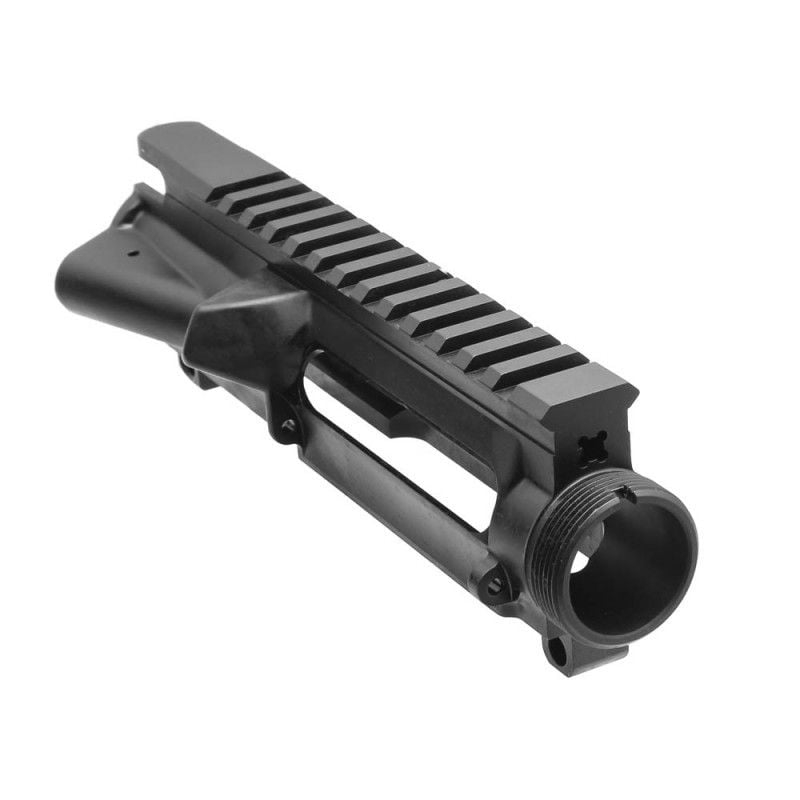
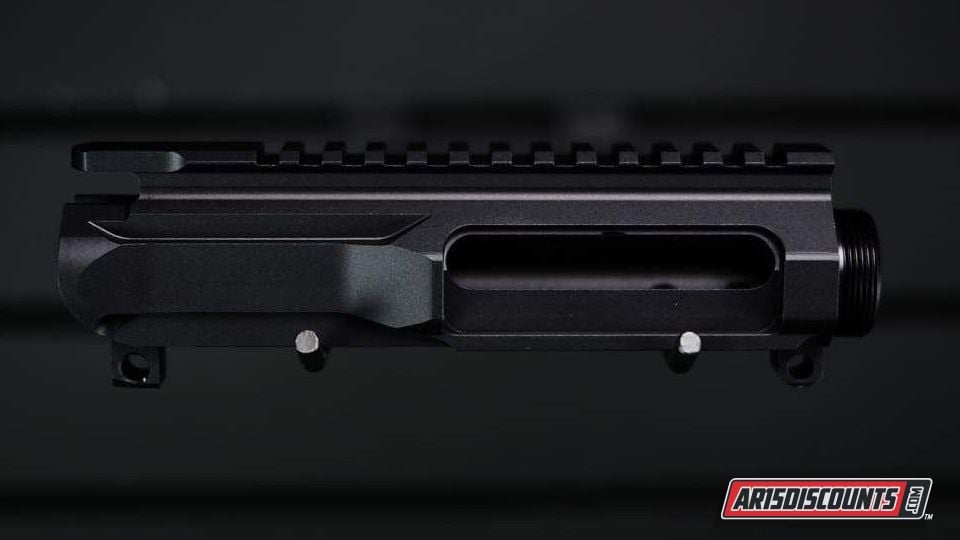
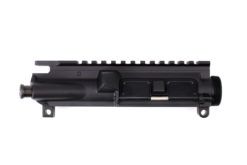
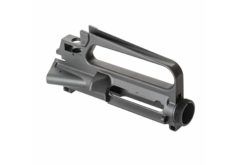
In 2026, most shoppers will see three common choices: forged, billet, and enhanced forged uppers. Forged uppers are popular because they are strong, proven, and usually budget-friendly. Billet uppers are machined from a solid block of aluminum. They often have sharper styling, extra machining, and a more custom look. Some brands also use terms like enhanced forged or forged billet. These can vary by manufacturer, so it is always smart to check the product description.
For the best AR-15 upper receiver, focus on clean machining, proper finish, tight quality control, and compatibility with standard AR-15 parts. If you already know your preferred barrel, handguard, and internal parts, stripped upper receivers may be the right fit. If you want a more streamlined shopping experience, an upper receiver and handguard combination can help simplify the build.
The goal is not to buy the most expensive upper. The goal is to buy the right upper for your rifle’s purpose.
Best AR-15 Upper Receiver Picks by Build Type
The best for buyers depends on the rifle they want to build. A general-purpose rifle needs durability, clean fitment, and dependable materials. A home defense setup should prioritize reliability and simplicity. A competition rifle may benefit from a rigid upper and a handguard-friendly layout. A hunting rifle may call for a lighter upper to keep the full rifle easier to carry.
Here is a simple way to think about it:
| Build Goal | Best Upper Receiver Direction |
|---|---|
| Budget custom build | Forged stripped upper |
| Premium rifle | Billet or enhanced forged upper |
| Lightweight setup | Lightweight or slick-side upper |
| Competition build | Rigid upper with strong handguard fit |
| General-purpose rifle | Forged upper from a trusted brand |
If you want full control over the final parts list, a stripped upper receiver is usually the better choice. It lets you choose the barrel, handguard, charging handle, bolt carrier group, and other parts separately. That flexibility is helpful, but it also requires more planning.
Most standard AR-15 upper receivers are commonly used with 5.56 NATO, .223 Remington, .300 Blackout, and other AR-15-compatible calibers. Always confirm compatibility across the barrel, bolt, magazine, and manufacturer specifications before buying parts.
Stripped vs. Complete Upper Receivers
A stripped upper receiver is the housing only. It is a smart option for builders who already know what parts they want. It also works well for shoppers who want to control every detail of the finished upper. The trade-off is that a stripped upper is not a complete solution on its own.
A complete upper assembly is different. It usually includes the upper receiver, barrel, handguard, gas system, and muzzle device. Some complete uppers also include the bolt carrier group and charging handle, but not all do. Always read the product listing closely before making a purchase.
For beginners, a complete upper assembly is often the easier path. It reduces guesswork and helps avoid mismatched parts. For experienced builders, a stripped upper may be more appealing because it allows a more customized setup.
An upper receiver and handguard combo sits in the middle. It gives you a head start on fit, alignment, and style while still leaving room to select other components. This is a solid choice if you want a cleaner build without having to choose every single part from scratch.
Lightweight uppers are also worth considering. They can make the rifle easier to carry and handle faster. Still, lighter is not always better. For many shooters, balance, durability, and intended use matter more than shaving every ounce.
What to Look for Before You Buy
When shopping for an AR-15 upper receiver, start with materials and manufacturing quality. Most quality uppers are made from aluminum and finished with a protective coating, such as anodizing. A clean finish matters because it helps protect the part and gives the rifle a more polished look.
Next, think about compatibility. Make sure the upper works with your lower receiver, handguard style, barrel choice, and preferred caliber. Standard forged uppers are often the easiest choice for broad compatibility. Billet uppers may have unique styling or features, but their fit can also vary by brand.
You should also consider whether you want a forward assist and dust cover. Many traditional AR-15 uppers include both. Some lightweight or slick-side uppers may remove one or both features to save weight and create a cleaner profile.
Finally, buy from a trusted retailer with clear product descriptions. A good product page should tell you whether the upper is stripped, assembled, or part of a larger upper assembly. It should also list the finish, material, and any included parts.
For 2026 buyers, the best choice is the one that fits your build plan without adding unnecessary complexity.
FAQ’s About AR-15 Upper Receivers
Still comparing options? These quick answers cover the most common questions about AR-15 upper receivers, including stripped uppers, complete assemblies, caliber compatibility, legal considerations, and what to look for before you buy.
A forged or billet stripped upper receiver from a trusted manufacturer is usually the best choice. It gives you the most freedom to choose your own barrel, handguard, charging handle, and other parts.
Manufacturers shape forged uppers under pressure, which gives them a strong reputation for durability and value. Billet uppers start as solid aluminum blocks and often deliver a more custom look. “Forged billet” or similar wording can vary by brand, so always check the product details.
Complete upper assemblies are usually better for beginners because they reduce the number of parts-matching decisions. Stripped upper receivers are better for shoppers who want a custom parts list.
Common options include 5.56 NATO, .223 Remington, and .300 Blackout. Compatibility depends on the full setup, including the barrel, bolt, and magazines.
Choose by purpose. Home defense builds should prioritize reliability and simplicity. Competition setups benefit from rigidity and balance. Hunting rifles often call for lighter weight and better carry comfort.
An AR-15 upper receiver is the main housing. A complete upper assembly includes additional parts, such as the barrel, handguard, gas system, and muzzle device.
Yes, especially for rifles you plan to carry often. During heavy range use, a standard upper may offer better balance and durability.
Aero Precision, BCM, Daniel Defense, Geissele, and other established AR brands are often mentioned in current buyer guides.
In many cases, AR-15 upper receivers can be purchased online because the lower receiver is generally treated as the regulated firearm under federal rules. State and local laws can vary, so check your local requirements before ordering.
Look for quality machining, a durable finish, clear product specs, a trusted brand reputation, handguard compatibility, and the right configuration for your intended use.
Find the Right AR-15 Upper Receiver for Your Next Build
The best AR-15 upper receiver in 2026 comes down to your build goals. A forged stripped upper is a great choice for value, strength, and compatibility. A billet upper adds premium styling and a custom feel. A complete upper assembly, or an AR-15 upper receiver and handguard combo, can make the process easier if you want fewer parts decisions.
Before you buy, consider weight, finish, brand reputation, intended use, and included components. A smart choice now can make the rest of your build smoother.
Get all your AR-15 upper receivers at AR15Discounts and find the right foundation for your next rifle project.
For additional support, check out our sister site at www.dirtybirdusa.com.