
AR-15 Accessories, AR-15 Barrels, AR-15 Basics, AR-15 Charging Handle, AR-15 Complete Uppers, AR-15 Parts, AR-15 Parts Kits, AR-15 Stocks, AR-15 Triggers, AR-15 Upper Receiver, Gas Block, Pistol Grips
AR-15 Builder’s Checklist: Every Part You Need
Apr
Table of contents
- Stripped Lower Receiver
- Lower Parts Kit
- Pistol Grip
- Buffer Assembly and Stock
- Stripped or Complete Upper Receiver
- Barrel
- Gas Block and Gas Tube
- Handguard
- Bolt Carrier Group
- Trigger
- Charging Handle
- Muzzle Device
- Magazines and Sights or Optics
- How Much Does It Cost to Build an AR-15 in 2026?
- Is It Cheaper to Build an AR-15 or Buy One?
- Do I Need a License or FFL to Build My Own AR-15?
- What Tools Do I Need to Build an AR-15?
- Final Thoughts on Your First AR-15 Build
Building your own AR-15 lets you create a custom rifle tailored to your shooting needs and preferences. For any AR-15 builder, sites like ar15discounts.com serve as a top resource for builders with competitive pricing on parts, kits, and accessories.
This 2026 guide provides a complete AR-15 builder checklist covering every essential component with realistic price ranges based on current deals. Follow the sections below to stay organized and build a reliable rifle whether you prefer a basic mil-spec setup or upgraded features as an AR-15 builder.
Stripped Lower Receiver
The stripped lower receiver forms the serialized foundation of your AR-15 and is the only part legally considered the firearm. It arrives as a bare aluminum forging or billet with the fire control cavity ready but no internal parts installed, making it the starting point for any AR-15 builder.
You must purchase this through an FFL dealer with a standard background check. Current pricing for quality stripped lowers typically ranges from 50 dollars to 110 dollars depending on the brand and any sales. Many AR-15 builder projects start here because it allows full customization of the rest of the lower assembly.

Lower Parts Kit
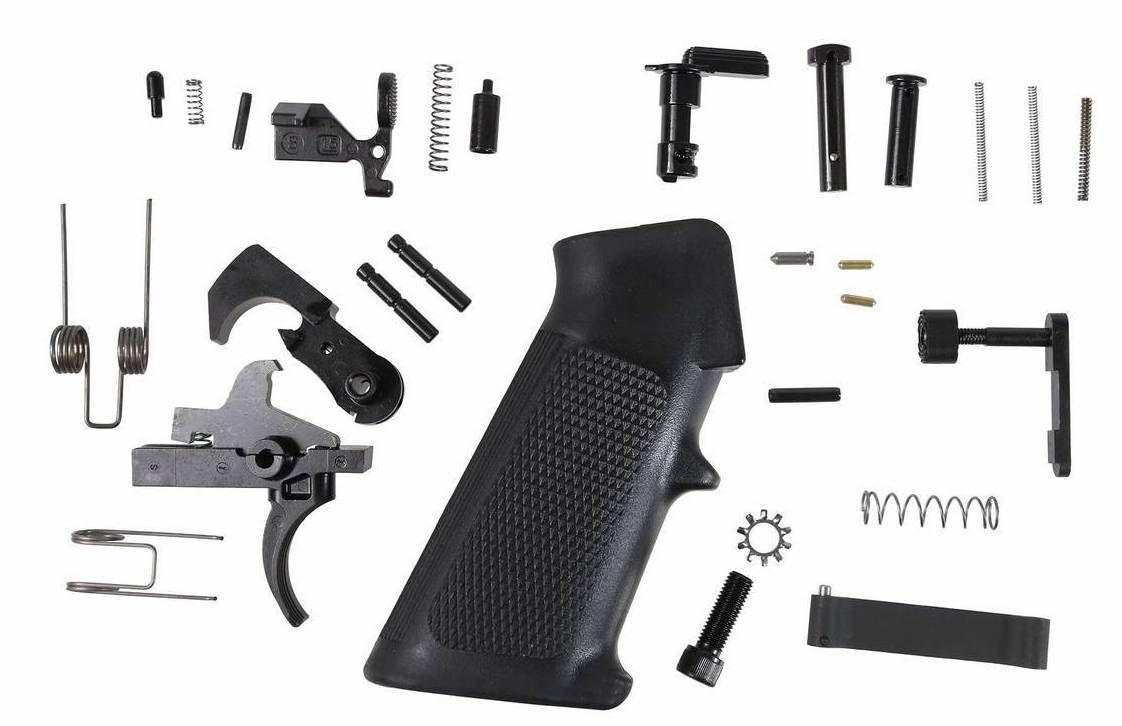
A lower parts kit contains most of the small internal components needed to make the stripped lower functional for an AR-15 builder. It usually includes the trigger group, hammer, disconnector, safety selector, magazine release, bolt catch, and all necessary pins and springs.
Opt for mil-spec kits for reliable performance on a budget. In 2026 these kits often sell for 60 dollars to 110 dollars with frequent deals bringing them under 70 dollars at builder-focused retailers. Bundled lower build kits combine this with other lower components to simplify shopping for the AR-15 builder.
Pistol Grip
The pistol grip attaches to the lower receiver and affects comfort and control during use. It comes with a screw and washer for secure installation, making it a simple upgrade for any AR-15 builder.
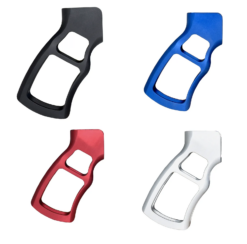
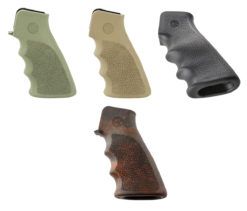
Choose from basic mil-spec grips or upgraded ergonomic models with storage or better texture. Prices generally run from 10 dollars to 40 dollars. This is one of the easiest parts for an AR-15 builder to swap later if you want to refine the feel of your build after initial assembly.
Buffer Assembly and Stock
The buffer assembly includes the buffer tube (receiver extension), buffer spring, buffer weight, castle nut, and end plate. These parts manage recoil and house the buffer inside the stock—critical components every AR-15 builder needs to understand.
You then attach a stock or brace for shoulder support. Basic carbine buffer kits with a mil-spec stock often cost 50 dollars to 80 dollars. Look for complete buffer and stock bundles that include everything needed to finish the rear of the lower receiver in one purchase for the AR-15 builder.
Buffer weights can also be tuned to improve performance. Standard carbine buffers work for most builds, while heavier options like H1, H2, or H3 buffers can help reduce recoil and smooth out cycling depending on your gas system and setup. Many AR-15 builders experiment here to fine-tune reliability and shooting feel.
Stripped or Complete Upper Receiver
The upper receiver houses the barrel and bolt carrier group. A stripped upper includes the forward assist and dust cover but requires you to install the barrel and other components yourself, which may appeal to a more hands-on AR-15 builder.

Many builders prefer a complete upper assembly that comes pre-installed with the barrel, handguard, gas system, bolt carrier group, and charging handle. Complete uppers in 16-inch 5.56 configuration commonly range from 300 dollars to 500 dollars on sale making them a popular time-saving choice for the AR-15 builder.
Barrel
The barrel determines the length, accuracy, and caliber performance of your AR-15. A standard 16-inch barrel in 5.56 NATO works well for most first builds and stays legal without NFA paperwork in most states, making it a common choice for an AR-15 builder.

Pair it with the correct gas system length such as carbine or mid-length. Barrel prices vary widely based on material, twist rate, and brand but expect 100 dollars to 300 dollars for quality options suitable for a solid AR-15 builder setup.
Gas Block and Gas Tube
The gas block and gas tube direct propellant gases back to cycle the action reliably—small but essential components every AR-15 builder must get right. They must match your barrel length and gas system type for proper function.
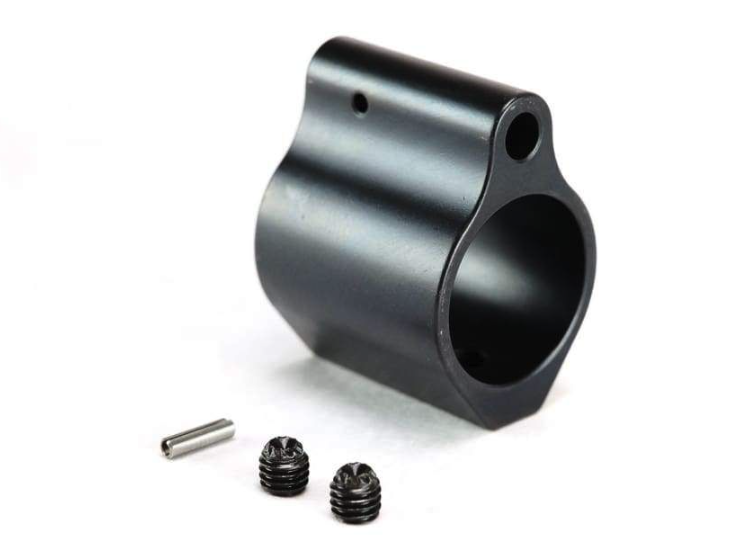
Low-profile gas blocks pair well with free-float handguards. These small but critical parts usually cost 20 dollars to 50 dollars combined. Choosing a matched set from the same manufacturer helps avoid compatibility issues during assembly for the AR-15 builder.
Handguard
A free-float handguard covers the barrel and provides mounting space for accessories like lights, grips, or optics. It improves accuracy by avoiding pressure on the barrel, making it a key upgrade area for an AR-15 builder.
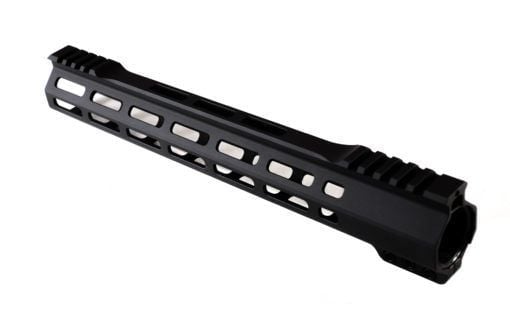
Popular lengths range from 10 inches to 15 inches with M-LOK or KeyMod slots. Handguard prices typically fall between 50 dollars and 150 dollars depending on length and material. This component greatly affects the overall look and ergonomics of your finished rifle for the AR-15 builder.
Bolt Carrier Group
The bolt carrier group serves as the heart of the upper receiver moving back and forth to chamber, fire, and eject rounds—arguably the most critical component for an AR-15 builder.
Choose a mil-spec or properly tested BCG in 5.56 for your first build. Look for features like proper staking and magnetic particle inspection for durability. BCGs often sell for 70 dollars to 150 dollars with nitride or chrome-lined options available at the lower end during sales for the AR-15 builder.
Trigger
The trigger controls the firing sequence and plays a major role in accuracy and overall shooting feel for an AR-15 builder. While most lower parts kits include a standard mil-spec trigger, many builders choose to upgrade for a smoother and more consistent pull.
Options range from basic single-stage triggers to enhanced two-stage or drop-in units. A mil-spec trigger typically comes included in a lower parts kit, while upgraded triggers generally cost between 70 dollars and 250 dollars depending on design and performance. For an AR-15 builder focused on precision or improved control, a quality trigger upgrade is often one of the most noticeable improvements you can make.
Charging Handle
The charging handle allows you to manually pull the bolt carrier group to the rear for loading or clearing malfunctions—an essential control component for any AR-15 builder.
Basic mil-spec versions work fine for most builders while ambidextrous or extended models add convenience. Expect to spend 15 dollars to 50 dollars on this simple but essential part. It installs quickly once the upper is assembled, making it an easy addition for the AR-15 builder.
Muzzle Device
A muzzle device threads onto the end of the barrel to reduce flash, recoil, or muzzle rise. Common choices include flash hiders, compensators, or brakes, all of which an AR-15 builder should consider based on intended use.
Select one compatible with your barrel threading and intended use. These parts generally cost 20 dollars to 80 dollars. Some states regulate muzzle devices so the AR-15 builder should check local laws before final selection.
Magazines and Sights or Optics
Magazines feed ammunition into the rifle and you should plan for at least a few quality 30-round options as an AR-15 builder. Basic steel or polymer magazines run 10 dollars to 20 dollars each on sale.
Sights or an optic are not required for basic function but are necessary for accurate shooting. Budget red dots or iron sights add another 50 dollars to 200 dollars depending on your choice for the AR-15 builder.
How Much Does It Cost to Build an AR-15 in 2026?
Putting all the parts together a functional mil-spec AR-15 build in 2026 typically totals between 500 dollars and 900 dollars, which is important for any AR-15 builder to plan for.
Budget kits and frequent sales keep many builds in the 600 dollar to 800 dollar range before taxes and shipping. Stripped lowers and lower parts kits often appear under 100 dollars each while complete uppers provide the biggest single expense. Shopping at sites like ar15discounts.com with their bundles and daily deals helps stretch your budget further for the AR-15 builder.
Is It Cheaper to Build an AR-15 or Buy One?
Building your own AR-15 frequently costs less than purchasing a complete factory rifle because you avoid assembly labor and brand markups, which is why many choose the AR-15 builder route.
Ready-made AR-15s often retail from 800 dollars to 1200 dollars or higher. A well-planned parts build can save 20 to 30 percent while letting you select exactly the components you want. First-timers should factor in one-time tool costs of 50 dollars to 150 dollars. For pure customization and learning value the AR-15 builder approach usually comes out ahead.
Do I Need a License or FFL to Build My Own AR-15?
Federal law allows individuals to assemble a firearm for personal use without a manufacturing license or FFL as long as the rifle stays in your possession and is not for sale, which is important for any AR-15 builder to understand.
Only the stripped lower receiver requires purchase through an FFL dealer with a background check. All other parts ship directly to your door. No federal serialization or registration is needed for personal-use homemade firearms. Always verify your state and local laws as some areas impose extra restrictions for the AR-15 builder.
What Tools Do I Need to Build an AR-15?
Basic tools make AR-15 assembly safer and prevent damage to parts for the AR-15 builder.
A bench vise with upper and lower receiver blocks provides stable support. Roll pin punches and a non-marring hammer help install pins without bending them. An armorer’s wrench and torque wrench handle the castle nut and barrel nut properly. Allen wrenches cover the pistol grip while a punch set assists with smaller details. Many beginners start with an affordable armorer’s kit that includes the essentials.
Using the correct torque specifications is critical during assembly. A torque wrench helps ensure components like the barrel nut and castle nut are properly secured without being over-tightened or under-tightened. Most AR-15 builder tasks require foot-pound torque values, but some accessories may use inch-pound specs, so it is important to follow manufacturer guidelines for each part to avoid damage or reliability issues.
Final Thoughts on Your First AR-15 Build
Assembling your own AR-15 provides hands-on understanding of the platform and results in a rifle customized to your needs, which is why becoming an AR-15 builder is so appealing.
In 2026 competitive pricing and easy access to kits keep the project approachable. Budget 600 dollars to 900 dollars for a capable build then add basic tools and work methodically. Verify compatibility at every step and prioritize safety. Regular cleaning keeps your finished rifle performing reliably for years whether used for range time, home defense, or competition.
A typical AR-15 builder can expect to spend between 500 dollars and 900 dollars depending on component choices. Budget-friendly builds often fall in the 600 to 800 dollar range when taking advantage of sales and bundled kits. Premium parts can push the total higher.
In most cases, building your own AR-15 is more cost-effective. You can often save 20 to 30 percent compared to buying a factory rifle, while also choosing each component to match your needs instead of paying for features you may not want.
You do not need a license to build an AR-15 for personal use. However, the stripped lower receiver must be purchased through an FFL dealer and requires a background check. All other parts can be shipped directly to your home.
Most AR-15 builders use a bench vise with receiver blocks, roll pin punches, a hammer, an armorer’s wrench, and a torque wrench. These tools help ensure proper assembly without damaging components and allow you to apply correct torque where required.
Yes, beginners can successfully build an AR-15 thanks to the platform’s modular design. Starting with a complete upper and a lower build kit simplifies the process, and most first-time builders complete their build in a few hours with basic tools.
A stripped lower receiver is a bare component that requires installation of all internal parts, offering maximum customization. A complete lower comes fully assembled with the trigger, safety, and stock already installed, saving time and reducing complexity.
Most AR-15 builders start with 5.56 NATO or .223 Remington due to low recoil, wide availability, and compatibility with standard parts and magazines. These calibers offer a simple and cost-effective entry point.
For most beginners, assembling an AR-15 takes between two and four hours. Using a complete upper reduces build time significantly, while full custom builds may take longer depending on experience and attention to detail.