
NFA, Suppressors
How to Choose the Right Suppressor: Caliber, Host & Use Case
Jan
Table of contents
- Suppressor Caliber: Matching the Can to the Cartridge
- Firearm Host: Pistols, Rifles, and Platform Compatibility
- Mount Type: Direct-Thread vs. QD Suppressors
- Use Case: Range, Hunting, or Home Defense
- Are Suppressors Legal? Understanding the Legal Landscape
- How to Buy a Suppressor (High-Level Overview)
- New Suppressor Trends & SHOT Show 2026 Highlights
- Frequently Asked Questions (FAQs)
TL;DR- Too Long Didn’t Read
Choosing the right suppressor is critical for improving a shooter’s overall experience, impacting sound reduction and accuracy. Selecting a suppressor involves understanding factors such as caliber compatibility, firearm host, mount type, and intended use case.
- Caliber Compatibility: Selecting a suppressor specific to your firearm’s caliber ensures performance and prevents equipment damage.
- Firearm Host: Whether a pistol or rifle, the host impacts suppressor performance; specific considerations are needed for handguns and AR-platform rifles.
- Mount Type: Direct-thread suppressors are lighter but slower to attach/remove, while quick-detach options offer versatility at a higher cost.
- Use Case: Range, hunting, and home defense each require different suppressor features and priorities.
- Legality: Suppressors are legal under federal law in the U.S., but buyers must comply with the National Firearms Act and state laws.
- Purchase Process: Buying a suppressor involves a background check, submitting paperwork, and paying a tax stamp fee.
Choosing the right suppressor is one of the most important decisions a shooter can make when stepping into the NFA world. A suppressor isn’t just an accessory—it’s a long-term investment that impacts sound reduction, recoil control, accuracy, and overall shooting experience. With dozens of suppressors on the market—ranging from rimfire options to heavy-duty rifle cans—it’s easy to feel overwhelmed.
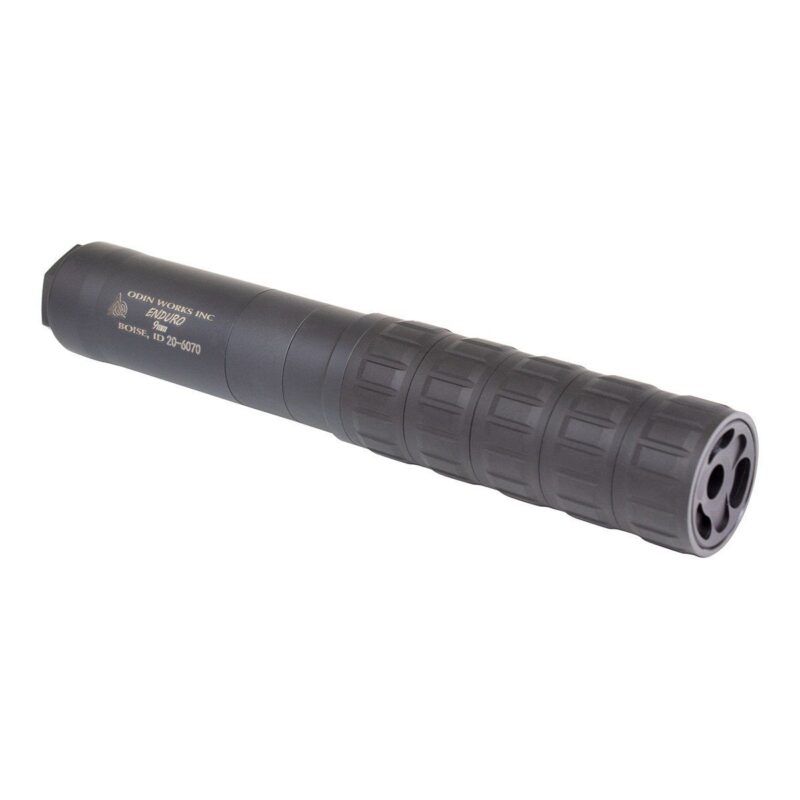
The right suppressor depends on four core factors: caliber compatibility, firearm host, mount type, and intended use case. A lightweight .22LR suppressor for range training has very different requirements than a hard-use AR-15 suppressor or a dedicated 300 Blackout suppressor for hunting or home defense. Add in questions like “are suppressors legal?” and the buying process can feel even more complex.
This guide breaks everything down in plain language—what matters, what doesn’t, and how to avoid common mistakes—so you can confidently choose the best suppressor for your needs while shopping responsibly at AR15Discounts.com.
Suppressor Caliber: Matching the Can to the Cartridge
Caliber is the starting point for choosing any suppressor. Every suppressor is engineered to handle specific bore diameters, pressures, and heat levels. Choosing the wrong caliber suppressor can limit performance—or worse, damage your equipment.
Popular Suppressor Caliber Categories
- .22LR Suppressors
Ideal for training, plinking, and small-game hunting. A dedicated 22LR suppressor is lightweight, quiet, and typically user-serviceable for rimfire fouling. - 9mm Suppressors
A 9mm suppressor is one of the most versatile options available. Many shooters consider the best 9mm suppressor to be one that can also handle subsonic .300 BLK or pistol-caliber carbines. - .30 Caliber Rifle Suppressors
These suppressors cover a wide range of calibers, including .308, 6.5 Creedmoor, and 300 Blackout suppressor setups. They’re popular for shooters who want one suppressor across multiple rifles. - 5.56 / AR-15 Suppressors
Designed specifically for high-pressure, high-velocity rounds, an AR-15 suppressor prioritizes durability and flash reduction over absolute quiet.
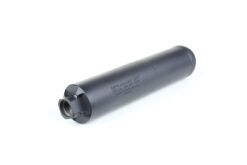
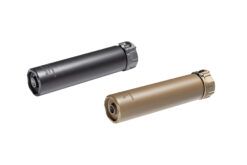
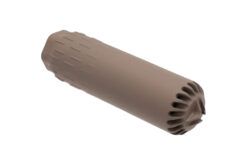
Can One Suppressor Handle Multiple Calibers?
Yes, many rifle suppressors are designed to cover multiple calibers. A .30-cal suppressor can safely run smaller calibers like 5.56, though it will have slightly reduced sound performance compared to a dedicated can. For first-time buyers, this flexibility is often a major advantage.
Firearm Host: Pistols, Rifles, and Platform Compatibility
Your firearm host plays a critical role in suppressor selection. The same suppressor behaves very differently on a pistol versus a rifle.
Pistol Hosts
Handguns require suppressors with booster assemblies (Nielsen devices) to allow the slide to cycle. Thread pitch compatibility, suppressor weight, and balance are key considerations. A suppressor cover is also popular on pistols to reduce heat during extended range sessions.
AR-15 and Modern Sporting Rifles
Rifle hosts raise concerns such as gas blowback, backpressure, and heat. Many shooters pair their ARs with heavier-duty suppressors or gas-optimized designs, such as those from Thunder Beast Arms or CAT Suppressors.
For short-barreled rifles, durability and pressure ratings become even more important.
Bolt-Action Rifles
Bolt guns are ideal suppressor hosts. With no gas system to tune, shooters benefit from maximum sound reduction, minimal blowback, and improved recoil control—especially when using lightweight titanium suppressors.
Mount Type: Direct-Thread vs. QD Suppressors
Mounting systems affect convenience, repeatability, and overall shooting experience.
Direct-Thread Suppressors
Pros
- Lightweight
- Simple and affordable
- Excellent alignment
Cons
- Slower to attach/remove
- Can loosen during extended firing
Direct-thread suppressors are popular for hunting and precision shooting, where they remain mounted.
Quick-Detach (QD) Suppressors
Pros
- Fast attachment
- Secure locking systems
- Ideal for multiple hosts
Cons
- Added weight
- Higher cost
QD systems are common on AR platforms and duty-style rifles. Many modern QD systems minimize point-of-impact shift and offer excellent repeatability.
Use Case: Range, Hunting, or Home Defense
Not all suppressors are built for the same job. Matching your suppressor to how you shoot matters just as much as caliber.
Range Use
For range shooting, sound reduction and comfort are the priority. Heavier suppressors with larger internal volume shine here, especially when paired with suppressor covers to manage heat.
Hunting
Hunters value lightweight construction, minimal added length, and reliable performance. Titanium suppressors and direct-thread mounts are common choices for hunting rifles.
Home Defense
In defensive contexts, suppressors help reduce concussion and preserve situational awareness indoors. Compact suppressors or modular designs are often preferred, especially for 300 Blackout suppressor setups that run subsonic ammunition.
Are Suppressors Legal? Understanding the Legal Landscape
One of the most common questions new buyers ask is: Are suppressors legal?
Are Suppressors Illegal?
No—suppressors are legal under federal law and permitted in most U.S. states. However, state laws vary, and buyers must comply with the National Firearms Act (NFA).
Are Suppressors Legal Now?
Yes. Suppressors remain legal at the federal level as of today. Purchasing one requires:
- Passing a background check
- Submitting ATF paperwork
- Paying a $200 tax stamp
This article is not legal advice—always verify local and state regulations before purchasing.
How to Buy a Suppressor (High-Level Overview)
Without diving into procedural steps, the suppressor buying process generally involves:
- Choosing a compliant suppressor
- Completing required paperwork
- Waiting for approval
- Taking possession through a licensed dealer
AR15Discounts.com makes it easy to explore suppressor options and compatible muzzle devices in one place.
New Suppressor Trends & SHOT Show 2026 Highlights
SHOT Show 2026 showcased several notable suppressor trends:
- Modular length suppressors that adapt to different use cases
- Reduced backpressure designs for AR platforms
- Advanced materials for lighter weight and better heat management
Brands introduced updated models in categories such as tank suppressor durability builds, next-generation cat suppressors, and improved suppressor accessories, including a surge suppressor protector for heat mitigation.
Frequently Asked Questions (FAQs)
The best suppressor depends on your primary caliber and whether you want multi-caliber capability. Dedicated suppressors offer peak performance, while larger-bore suppressors offer versatility.
Yes, if the suppressor is rated for those calibers. Many shooters start with a .30-cal suppressor for flexibility.
Consider barrel length, mounting method, gas system, and intended use. Rifles and pistols have different suppressor requirements.
Direct-thread mounts are lighter and simpler, while QD mounts allow faster attachment and multi-host use.
Most suppressors cause a small shift in point of impact, but it is usually repeatable. Many shooters see improved consistency due to reduced recoil.
Home defense favors compact suppressors, range use favors maximum sound reduction, and hunting favors lightweight designs.
Yes. Suppressors reduce recoil and muzzle blast. Gas-optimized designs help mitigate blowback on semi-automatic rifles.
Caliber compatibility, host firearm, intended use, weight, mounting system, and local laws are all critical factors.
Final Thoughts: Choosing the Right Suppressor with Confidence
Choosing the right suppressor doesn’t have to be complicated. By focusing on caliber, firearm host, mount type, and real-world use, you can quickly and confidently narrow your options. Whether you’re shopping for a 22lr suppressor, a versatile 9mm suppressor, or a rugged AR-15 suppressor, the right choice enhances every aspect of shooting—from comfort to control.
Explore the latest suppressors, mounts, and accessories at AR15Discounts.com and invest in equipment that delivers long-term value and performance.
For more information, check out our sister site Dirtybirdusa.com.