
AR-15 Basics, AR-15 Parts
How to Build a 300 Blackout AR-15: Barrel Length, Gas System, Uppers & Parts Guide
Jan
Table of contents
- Barrel Length Options for 300 Blackout AR-15 Builds
- Gas System Considerations for 300 Blackout
- Upper Receiver Choices: Complete, Stripped & Caliber-Specific Options
- Compatible Parts: BCGs, Magazines & Lower Receivers
- Suppressed vs. Unsuppressed Performance
- Choosing the Right Muzzle Device
- FAQ’s on building a .300 Blackout
- Your 300 Blackout Build Starts Here

TL;DR- Too Long Didn’t Read
The 300 Blackout AR-15 is popular due to its versatility and optimal performance in suppressed shooting. It boasts compatibility with standard AR-15 components, allowing cost-effective builds while adapting to both subsonic and supersonic ammunition.
- Recommended barrel lengths are 7-10 inches for compact use; 16 inches if extra velocity is needed.
- Pistol-length gas systems ensure reliable cycling with different ammo types.
- Standard AR-15 components like BCGs and lower receivers are compatible with the 300 Blackout.
- Flash hiders and compatible suppressor mounts are favored muzzle devices.
- It excels both suppressed with subsonic ammo and unsuppressed with supersonic loads.
The 300 Blackout AR-15 has carved out a strong niche in the firearms community thanks to its versatility, smooth performance in short barrels, and impressive balance of subsonic and supersonic capabilities. While traditional 5.56 rifles remain dominant, more shooters are discovering how the 300 Blackout AR-15 fills a unique role—especially for suppressed shooting, home-defense configurations, and compact rifle builds. What stands out most is that the cartridge was built specifically for the AR-15 architecture, which means less guesswork when selecting components.
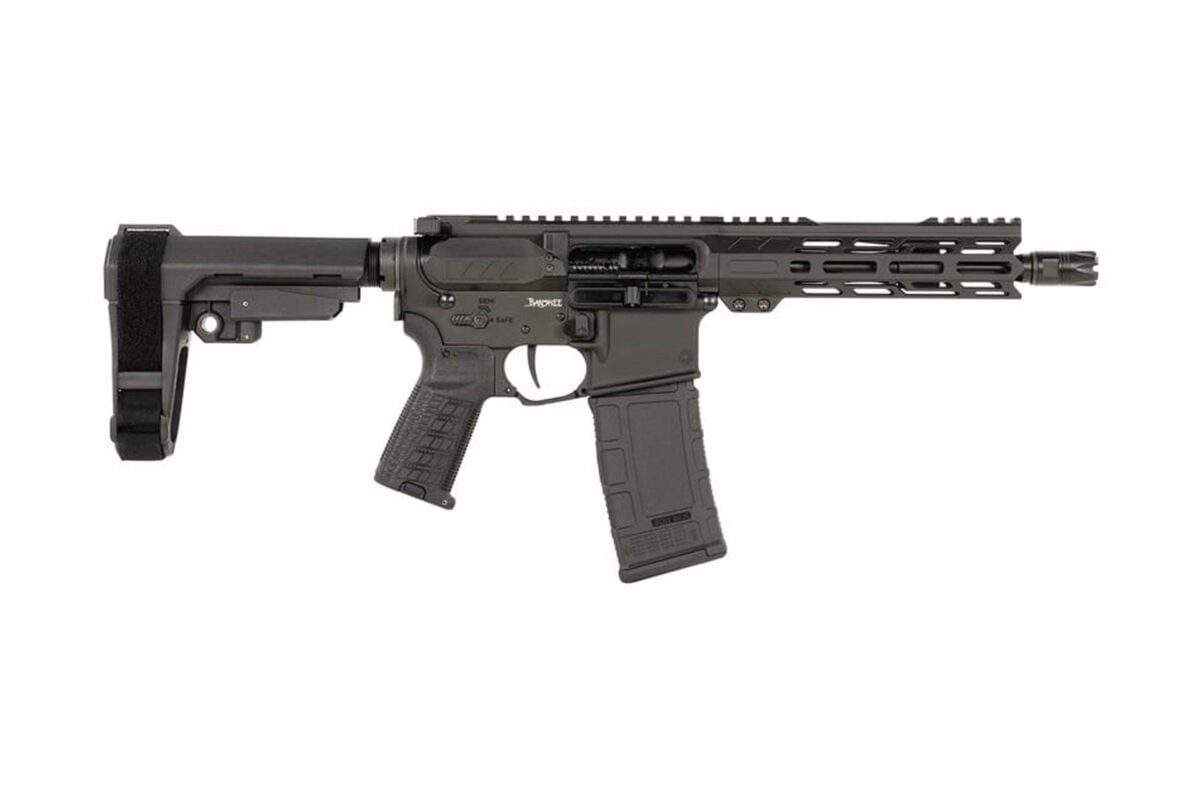
Most users start with an AR-15 300 Blackout upper for its convenience, but modularity is the platform’s biggest draw. Builders can choose between pistol-length barrels, mid-length setups, lightweight handguards, and muzzle devices tailored to the round’s pressure curve. The result is a rifle that feels familiar yet delivers a different shooting experience than a standard AR.
At the commercial level, major brands like Diamondback, PSA, Aero Precision, and Ballistic Advantage continue to offer reliable options in the AR-300 Blackout space. Whether you’re configuring a compact home-ready build or experimenting with tuning for subsonic ammunition, the 300 Blackout AR-15 Academy of knowledge out there makes it easier to navigate choices without unnecessary complexity.
As always, laws differ by state and locality, so ensure your configuration aligns with all applicable regulations—especially regarding barrel lengths and suppressor use. This guide keeps the focus on high-level best practices, helping you choose the right components safely and responsibly.
Barrel Length Options for 300 Blackout AR-15 Builds
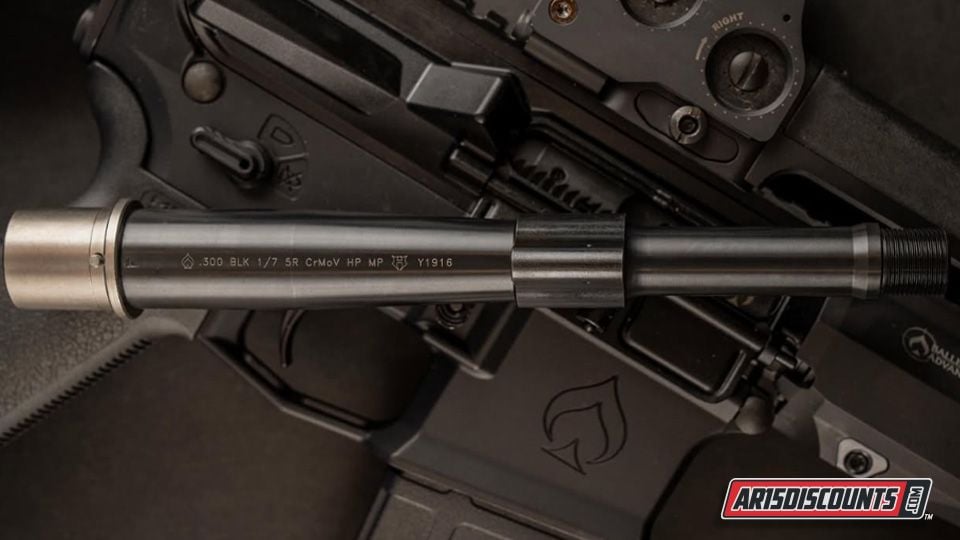
Barrel length is one of the defining decisions when building a 300 Blackout AR-15 pistol or rifle. Because the cartridge was engineered for complete powder burn in short tubes, you’re not penalized nearly as much as you would be with 5.56. Most builders choose between 7-inch, 8-inch, 10-inch, and 16-inch barrels, each offering distinct advantages depending on whether you prefer compact handling or a traditional rifle profile.
A 7–8-inch AR-15 300 Blackout barrel is ideal for maximum maneuverability and is the most popular choice for pistols and SBRs. Supersonic loads still achieve solid velocity, while subsonics remain quiet and consistent—especially when pairing a suppressor. You’ll see slightly more unburned powder compared to longer barrels, but the tradeoff is minimal for the benefits you gain in portability.
A 10-inch barrel offers the best balance for most users. It smooths out recoil impulse, improves ballistic uniformity, and remains incredibly suppressor-friendly. Builders who want one upper that handles both subsonic and supersonic ammunition efficiently often choose this length.
Meanwhile, 16-inch barrels are preferred for states where rifle-length barrels simplify compliance. While you won’t gain dramatic velocity increases, the full-size profile gives a more traditional rifle feel. A 300 Blackout rifle AR-15 in this length is comfortable for range use or hunting within the cartridge’s effective distance.
Whatever length you choose, avoid step-by-step installation and always rely on professional support when needed. Focus on identifying quality materials, reputable brands, and barrels with appropriate twist rates (discussed later in this article).
Gas System Considerations for 300 Blackout
Selecting the right gas system is crucial for reliability, primarily because the 300 Blackout operates with a wider pressure range than 5.56. In general, pistol-length gas systems dominate the 300 BLK landscape, even on barrels up to 16 inches. This isn’t a mistake or manufacturer shortcut—300 BLK cycles more consistently with a short gas system due to the way powder burns across different load types.
A 300 Blackout AR-15 running subsonic ammo produces lower gas pressure, so the shorter gas system helps maintain reliable bolt movement. Builders who plan to shoot suppressed frequently should consider pairing a pistol gas system with an adjustable gas block. This helps fine-tune the rifle’s behavior, reducing gas-to-face and smoothing out recoil without providing any actionable modification steps.
If you’re configuring a rifle for primarily supersonic use, the same setup still works exceptionally well—and that’s part of the charm. You don’t need a separate upper or complicated tuning scenario to enjoy both ammunition types. Many complete AR-15 300 Blackout uppers come with the proper gas length already installed, minimizing guesswork and maximizing reliability.
Brands like PSA and Diamondback offer complete uppers already optimized for 300 BLK, making them excellent starting points for builders who prefer to avoid manual tuning. No matter which direction you choose, follow all manufacturer guidance and ensure any build work is completed by qualified personnel where appropriate.
Upper Receiver Choices: Complete, Stripped & Caliber-Specific Options
Choosing the right upper receiver is one of the easiest ways to ensure a smooth-running 300 Blackout AR-15. Many shooters start with a complete AR-15 300 Blackout upper because it packages the barrel, handguard, and gas system into a turnkey unit. This eliminates compatibility uncertainty and makes it a reliable choice for newer builders.
If you prefer more control over components, stripped uppers let you choose your own barrel profile, handguard length, and muzzle device. This approach appeals to shooters who want intentional weight distribution, specific handguard mounting options, or a particular aesthetic. Regardless of the level of customization, the receiver itself remains the same dimensionally as a 5.56 AR upper, which simplifies the process.
When evaluating upper configurations, consider your expected use case. For example:
- Range/Training: A lightweight M-LOK handguard paired with a 10-inch barrel provides excellent balance.
- Suppressed firing: Look for complete uppers that integrate adjustable gas blocks or are marketed as suppressor-ready.
- Hunting: A 16-inch upper offers optimal velocity for expanding supersonic loads.
Brands like Diamondback, PSA, and Aero Precision offer competitively priced and well-reviewed options. If you’re aiming for more premium components, Ballistic Advantage and Rosco barrels are common additions in higher-end 300 BLK builds.
Whatever path you choose, stay within legal configuration guidelines and consult qualified professionals before modifying any firearm. This article focuses on high-level selection—not assembly instructions.
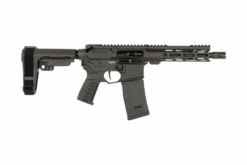
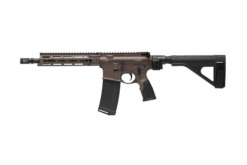
Compatible Parts: BCGs, Magazines & Lower Receivers
One of the most appealing advantages of the 300 Blackout AR-15 is parts compatibility. The cartridge was designed to work with standard AR components wherever possible, which simplifies the build process while keeping costs down. You can use a standard AR-15 lower receiver, standard buffer system, and a regular 5.56 bolt carrier group (BCG). Since the case head dimensions match 5.56, there’s no need for a proprietary bolt.
Magazines are the component that builders should pay closer attention to. While the platform accepts standard AR mags, some brands now offer dedicated AR-15 300 Blackout magazines tuned for the shorter cartridge. These improve feeding reliability, especially with subsonic rounds or heavy bullets. Drum-style options, such as an AR-300 Blackout drum mag, are commercially available but should be used only when compliant with state and local laws.
The lower receiver you pair your upper with can be any mil-spec AR-15 unit. Whether you’re running a Diamondback AR15 300 Blackout upper or a PSA AR15 300 Blackout configuration, the modularity remains consistent. Just ensure your marking practices and safety procedures prevent accidental caliber mix-ups—5.56 cannot be fired from a 300 BLK chamber under any circumstances.
As always, rely on factory manuals and professional resources for installation, adjustment, or troubleshooting. This guide does not provide build instructions.
Suppressed vs. Unsuppressed Performance
One of the biggest reasons shooters choose a 300 Blackout AR-15 is its exceptional performance when suppressed. Subsonic ammo, which stays below the speed of sound, helps generate low report levels. When paired with a quality suppressor, the system is noticeably quieter than most intermediate-caliber systems. The cartridge burns powder efficiently in short barrels, reducing muzzle blast and preserving portability.
Suppressed setups also create unique pressure dynamics. Shooters who frequently run subsonic ammunition appreciate adjustable gas blocks because they help optimize cycling without providing actionable tuning steps here. With a properly configured system, recoil becomes smoother, follow-up shots feel more controlled, and gas blowback is reduced.
Running the rifle unsuppressed offers different benefits. Supersonic loads provide significantly more velocity and terminal performance for hunting or defensive use. A 300 Blackout AR-15 with a 10-inch or 16-inch barrel provides reliable cycling across a broad range of bullet weights without specialized components.
So which is better? It depends entirely on what you’re building for. If your priority is sound reduction and comfortable shooting, the suppressed route wins. If you prefer versatility and broad ammunition availability, unsuppressed use is perfectly adequate. Both setups perform exceptionally well within the cartridge’s intended range.
Choosing the Right Muzzle Device
Your muzzle device significantly influences how the 300 Blackout AR-15 behaves during firing. While you don’t need a specialized device exclusive to 300 BLK, some types pair better with the cartridge’s pressure characteristics. A simple flash hider is ideal for short-barrel, unsuppressed builds because it helps manage visible muzzle signature. This is particularly helpful when shooting supersonic loads from a compact barrel.
Compensators and brakes work, but many shooters avoid them on subsonic builds since the lower pressure doesn’t justify the added blast or weight. Hybrid devices offer a middle ground, but your choice should align with your intended use—range comfort, hunting, or suppressed integration.
If you plan to suppress your rifle, choose a muzzle device that’s compatible with your suppressor’s mounting system. Many companies offer taper mounts or QD flash hiders that double as suppressor hosts. Regardless of your selection, follow the manufacturer’s specs and never alter a muzzle device or attempt to use DIY suppressor components, which are illegal.
When shopping for your 300 Blackout AR-15, explore devices from reputable brands known for quality machining. Again, this article stays high-level; follow proper laws and consult a professional if you need installation assistance.
FAQ’s on building a .300 Blackout
Most shooters prefer 7–10 inches for the ideal blend of compact handling and reliable subsonic performance. A 16-inch barrel is best if you live in a state that requires rifle-length barrels or if you prefer additional velocity with supersonic ammunition.
Yes. Nearly all 300 Blackout AR-15 builds use a pistol-length gas system, even on 16-inch barrels, because it provides the most consistent cycling with both subsonic and supersonic ammunition.
Absolutely. One of the cartridge’s advantages is its compatibility with standard AR-15 parts. A regular 5.56 BCG and AR-15 lower work perfectly with a 300 BLK upper.
Most shooters choose a complete AR-15 300 Blackout upper with a pistol-length gas system. It’s the most reliable option and requires the least amount of tuning.
It excels in both setups. The cartridge shines in suppressed applications with subsonic ammo but performs exceptionally well unsuppressed with supersonic loads. The best choice depends on your primary use.
A 1:7 or 1:8 twist rate is ideal. Faster twists help stabilize heavy subsonic bullets, while still working well with supersonic ammunition.
Flash hiders and suppressor-compatible mounts are the most popular choices. For suppressed setups, choose a device specifically designed to work with your suppressor’s mounting system.
No — never attempt to fire 5.56 from a 300 Blackout barrel. The cartridges are not interchangeable, and doing so can cause severe injury or catastrophic firearm damage.
Your 300 Blackout Build Starts Here
Building a 300 Blackout AR-15 is one of the best ways to tap into the cartridge’s full potential—whether your focus is compact handling, smooth suppressed shooting, or a versatile rifle that performs well with both supersonic and subsonic ammunition. Choosing the right barrel length, pairing it with a pistol-length gas system, and selecting a quality upper receiver sets the foundation for a reliable, enjoyable platform. With the added convenience of standard AR-15 compatibility for your lower receiver, buffer system, and BCG, assembling or upgrading a 300 BLK setup is straightforward for most shooters.
As you dial in the perfect configuration—whether that means a short, maneuverable pistol build or a 16-inch rifle optimized for accuracy—you’ll want to source components that are reliable, trusted, and built for long-term performance. That’s where AR15Discounts.com comes in. They offer a curated selection of barrels, complete uppers, muzzle devices, and accessories specifically suited for the 300 Blackout AR-15, making it easy to choose parts that match your goals and budget.
If you’re ready to upgrade your rifle, start a new build, or explore better-performing components, now is the perfect time to shop. Find high-quality 300 Blackout uppers, barrels, magazines, and complete rifles at AR15Discounts — your dependable source for value, selection, and customer service.
For additional resources, check out our sister site, www.dirtybirdusa.com