
Reloading Supplies
Choosing the Right Reloading Supplies for Your Caliber & Budget
Feb
Table of contents
- What Counts as Reloading Supplies?
- Why Reload? The Real Benefits
- The Starter Checklist: Reloading Supplies You Need First
- Choosing a Press: Single-Stage vs Turret vs Progressive
- What About RCBS Reloading Supplies?
- “Reloading Supplies Near Me” vs Buying Online
- Reloading Supplies Clearance and Sale Shopping Tips
- The Most Important Reloading Components to Buy First
- Is It Cheaper to Reload Ammo Than Buy Factory?
- Can You Use the Same Reloading Supplies for Multiple Calibers?
- Choosing the Correct Dies for Your Caliber
- A Simple Beginner Setup That Works
- Frequently Asked Questions About Reloading Supplies
- Stock Up and Start Reloading with AR15Discounts.com
TL;DR- Too Long Didn’t Read
The blog post discusses reloading supplies, offering practical insights for shooters interested in customizing their ammunition and maintaining shooting consistency.
- Reloading can improve rifle accuracy by allowing customization of cartridge specifics.
- It promotes consistent training, especially during ammo shortages.
- Potential cost savings, particularly for high-volume shooters.
- Beginners should start with a basic setup, focusing on a stable press and essential tools.
- Online shopping often provides better deals and selection than local options.
- Components such as primers and powder should be prioritized due to variable availability.
Reloading supplies are one of the best ways to take control of your shooting routine. You can tune loads for accuracy, maintain consistent practice, and reduce reliance on factory inventory swings. Most of all, you can build a setup that fits your caliber, your rifle, and your goals.
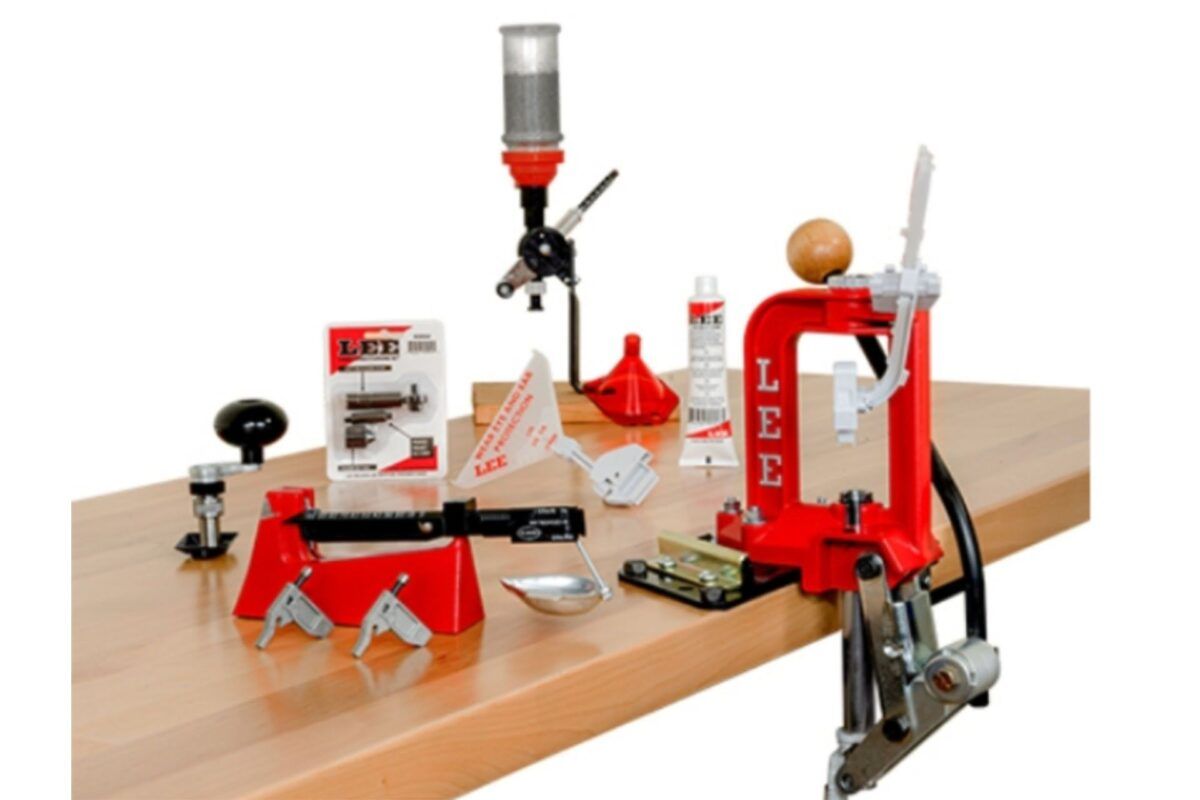
This guide breaks down reloading supplies in a practical, no-fluff way—covering the essentials you actually need and how to avoid wasting money on the wrong gear. If you’re hunting for reloading supplies for sale, it’ll help you compare options and buy with confidence.
Many shooters start searching “reloading supplies near me” when shelves go empty. Local shops can help in a pinch, but online options often offer better selection and faster spec comparisons. If you want to buy reloading supplies online, AR15Discounts.com is a strong place to start.
What Counts as Reloading Supplies?
“Reloading supplies” is a wide term. It covers tools, components, and safety items. It also includes storage and measuring gear. You don’t need everything at once. You do need the right items for safe, repeatable results.
Reloading equipment (the tools)
This category includes your press and core bench tools. It also includes dies, scales, and priming gear. Some items are optional early on. Others are non-negotiable.
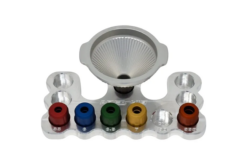
Common reloading equipment includes:
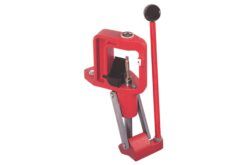
- Reloading press (single-stage, turret, or progressive)
- Die set for your caliber
- Shellholder or shellplate (press dependent)
- Powder measure and/or powder trickler
- Scale (beam or digital)
- Calipers
- Case prep tools (trimmer, chamfer, deburr)
- Priming tool (hand priming tool or press-mounted)
- Loading blocks and trays
- Reloading manual(s)
Reloading components (the consumables)
These are the parts that become your finished cartridge. When people say reloading components, they usually mean the big four.
Core reloading components:
- Brass (new or once-fired)
- Bullets
- Powder
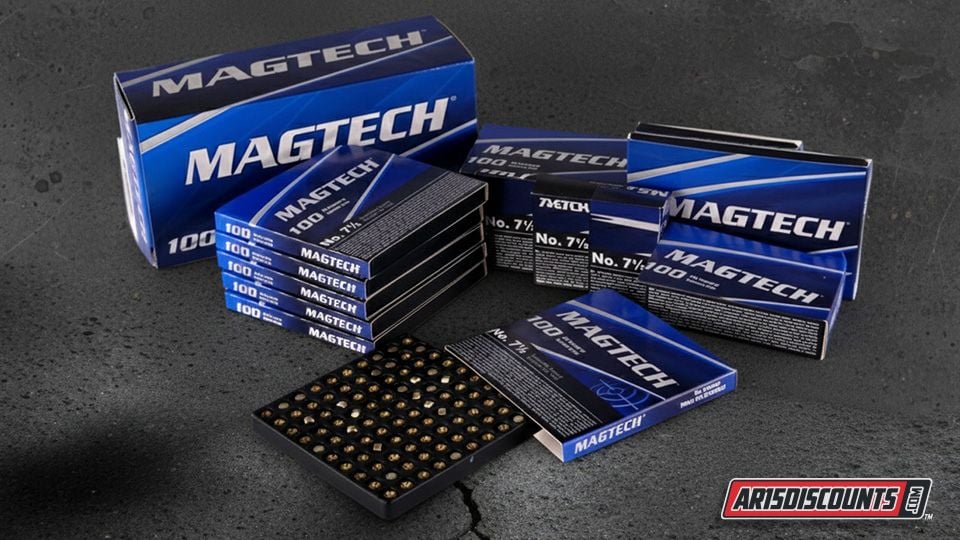
- Primers (often searched as primers for sale)
Depending on caliber, you may also need:
- Case lube (for bottleneck rifle cases)
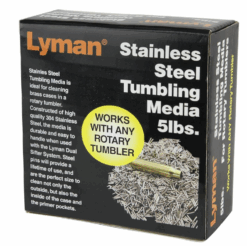
- Case cleaning media (tumbling media)
- Gas checks (for some cast bullet loads)
Why Reload? The Real Benefits
Reloading isn’t just about saving money—it’s about dialing in your loads, boosting performance, and keeping your range time reliable.
Better accuracy for your rifle
Factory ammo is built to general standards. Reloading lets you tune seating depth. You can also tune the powder charge. You can match your barrel’s preferences.
This matters for AR builds with specific roles. It matters for precision bolts, too. It also matters for competition shooters.
Consistent training, even during shortages
When factory ammo becomes scarce, components can still be available. Availability changes, but options exist. Reloading keeps you in the game when shelves are thin.
Potential long-term savings
Reloading can be cheaper, but it depends on the situation. It depends on your caliber and component pricing. It also depends on how you value your time.
We cover the math later. The short answer is simple. Reloading often saves money for high-volume shooters. It also helps for specialty loads.
The Starter Checklist: Reloading Supplies You Need First
If you’re starting from zero, start with a basic system. Don’t chase “ultimate” setups immediately. You want safe, repeatable, and simple.
1) Press: start with stable and simple
A press is your foundation. A good press makes everything easier. It also reduces frustration during setup.
For beginners, single-stage presses are easiest to learn. They are slower, but they teach the process. Many experienced reloaders still use them.
2) Dies for your exact caliber
Buy dies designed for your cartridge. Make sure they match your firearm type. AR owners often want full-length sizing dies. This supports reliable chambering.
Some calibers benefit from small-base dies. That depends on the chamber and brass history. If you’re unsure, start standard. Then adjust if needed.
3) A reliable scale and measuring tools
You need to verify powder charges. You also need to verify the overall length. A scale and calipers are essential. They keep your process honest.
4) Case prep basics
Rifle brass often needs trimming. It may need chamfering and deburring. It also needs cleaning. Dirty brass can scratch dies. It can also affect sizing consistency.
5) Safety gear and habits
Wear eye protection when priming. Keep powder and primers stored correctly. Keep your bench organized. Use one powder at a time on the bench.
Reloading rewards focus. It punishes distractions.

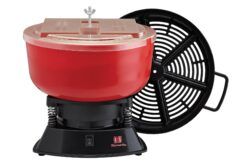
Choosing a Press: Single-Stage vs Turret vs Progressive
Your press choice is the biggest decision. It affects speed, cost, and complexity. It also affects how you learn the process.
Single-stage presses
A single-stage press performs one operation at a time. You batch work in steps. This is slow, but clear.
Best for:
- Beginners who want to learn the fundamentals
- Precision rifle loading
- Low volume, high consistency loading
Pros:
- Simple to set up
- Easy to troubleshoot
- Excellent consistency potential
Cons:
- Slow for large quantities
- More handling of brass per round
Turret presses
A turret press holds multiple dies at once. You can swap operations faster. Some turrets auto-index. Others are manual.
Best for:
- Moderate volume shooters
- People who want speed without full progressive complexity
Pros:
- Faster than single-stage
- Easier caliber changes than many progressives
- Still relatively simple
Cons:
- More moving parts than a single-stage
- Setup takes more attention
Progressive presses
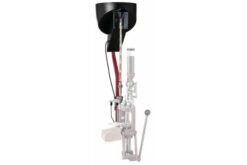
A progressive press performs multiple operations per pull. Every handle cycle can produce a finished round. This is the fastest style.
Best for:
- High-volume pistol loading
- High-volume rifle loading with careful setup
- Competitive shooters need quantity
Pros:
- High output
- Efficient once tuned
- Great for frequent loading sessions
Cons:
- Higher cost
- More complex adjustments
- Easier to miss an error if distracted
What About RCBS Reloading Supplies?
Many shooters look specifically for RCBS reloading supplies. RCBS is known for durable presses, dies, and bench tools. They have a strong reputation in the reloading space.
If you’re building a kit over time, brand consistency helps. It can simplify compatibility. It can also simplify replacement parts later.
That said, don’t lock yourself into one brand too early. Focus on function first. Then standardize as you grow.
“Reloading Supplies Near Me” vs Buying Online
Local shops are still worth considering—especially when you need something today or want quick, in-person advice. They’re a solid option for last-minute pickups and urgent needs.
But online shopping has clear advantages:
- Larger selection across brands
- Better ability to compare specs
- Easier to catch deals and bundles
- Better chance to find niche items in stock
If you’re searching “reloading supply near me” because you need one small part, local can win. If you’re building a full setup, online usually wins.
For a broad selection and competitive pricing, AR15Discounts.com is built for that. It’s a solid destination to buy reloading supplies online.
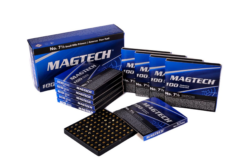
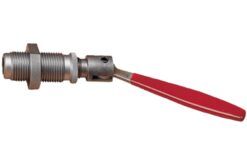
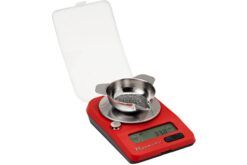
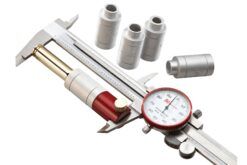
Reloading Supplies Clearance and Sale Shopping Tips
Everyone loves a deal. The key is buying deals that fit your plan. A bargain tool you never use is not a bargain.
Use these rules for reloading supplies clearance shopping:
- Prioritize essentials first, not accessories
- Buy extra consumables when prices dip
- Match dies and shellholders to your press
- Avoid random caliber-specific tools for calibers you don’t shoot
- Buy measuring tools once, then buy quality
If you want cheap reloading supplies, focus on value. A solid press lasts decades. A good scale prevents bad loads. Those two items matter most.
The Most Important Reloading Components to Buy First
Components often drive your “start date.” You can buy tools today. You may still wait on primers or powder. Plan your component shopping early.
Start with the components that limit availability:
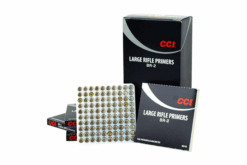
- Primers
- Powder
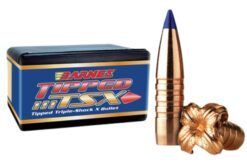
- Bullets
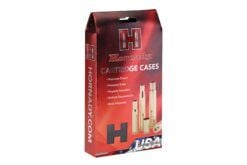
- Brass
People often search for primers for sale first for a reason. Primers can be the hardest to find at times. When you see them available at a fair price, it can be smart to stock responsibly.
Next, pick a powder that fits your cartridge. Use published load data. Don’t substitute based on guesswork. Powder choice should be data-driven.
Is It Cheaper to Reload Ammo Than Buy Factory?
Sometimes, yes. Sometimes, not really. It depends on your caliber. It also depends on what you shoot.
Reloading savings are easiest in these cases:
- You shoot a lot each month
- You reuse brass many times
- You load common bullets and powders
- You avoid chasing rare “boutique” components
Reloading can be less cost-effective when:
- You shoot low volume
- You buy premium bullets for everything
- You count your time as a hard cost
- You load only a few boxes per year
A practical way to think about it is in terms of value, not just dollars. Reloading can also buy you:
- Better accuracy for your rifle
- Custom loads you can’t buy easily
- Consistent training ammo
Those benefits can justify the setup cost.
Can You Use the Same Reloading Supplies for Multiple Calibers?
Yes, in many cases. Your press, scale, calipers, and many tools work across calibers. Your dies and some accessories are caliber-specific.
These items usually transfer across calibers:
- Press (most standard presses)
- Scale
- Calipers
- Case cleaning gear
- Loading blocks (sometimes)
- Priming tool (often)
These items are usually caliber-specific:
- Die sets
- Shellholders or shellplates
- Case gauges
- Trimmer pilots or inserts (varies)
- Some powder funnels
If you plan to load multiple calibers, choose a press that makes changes easy. Also consider how fast you want those changes to be.
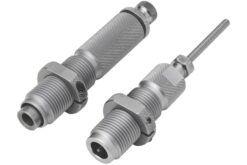
Choosing the Correct Dies for Your Caliber
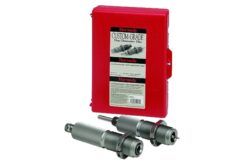
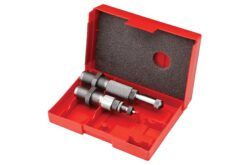
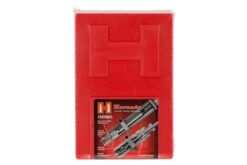
These handle sizing and seating. Getting the correct set matters. It also matters whether you load for a bolt gun or an AR.
Use these guidelines:
- Choose dies labeled for your exact cartridge
- For AR-15 rifles, full-length sizing is common
- Consider a taper crimp die for some setups
- Use a case gauge to confirm chamber fit
If you’re loading for reliability, prioritize consistent sizing. If you’re loading for precision, also pay attention to seating consistency.
Always follow published data. Always verify overall length and safe pressures.
A Simple Beginner Setup That Works
If you want a clean starter path, this is a solid approach:
- Single-stage press
- Die set for your caliber
- Scale and calipers
- Case lube and case cleaning setup
- Basic case prep tools
- Priming tool
- Reloading manual
- Components that match your load data
This setup is not flashy. It is effective. It also gives you room to upgrade later.
Frequently Asked Questions About Reloading Supplies
You need a press, dies for your caliber, a scale, calipers, a priming method, and basic case prep tools. You also need brass, bullets, powder, and primers.
A single-stage press is usually the best budget-friendly starting point. It’s simple, stable, and easy to learn. It also supports precision-focused loading.
Buy dies made for your exact cartridge. Match them to your firearm needs. AR owners typically use full-length sizing dies for reliable chambering.
It can be cheaper, especially for high-volume shooters and reusable brass. Savings depend on component pricing, caliber, and your loading goals.
Start with primers and powder, since availability can vary. Then buy bullets and brass that match published load data for your cartridge.
Many tools transfer, like the press, scale, and calipers. Dies and shellholders are usually caliber-specific. Some case prep parts vary.
Single-stage does one step at a time and is the simplest. Turret speeds up die changes. Progressive produces a round per pull once tuned.
If you want reliable selection and competitive pricing, shop Reloading Supplies at AR15Discounts.com. It’s a convenient way to buy what you need in one place.
Stock Up and Start Reloading with AR15Discounts.com
Reloading is a skill that pays you back over time. It gives you control over performance. It also helps you stay consistent when factory ammo is limited. The key is starting with the right reloading supplies. Keep it simple at first. Build your bench with purpose.
When you’re ready to upgrade your setup, don’t waste time bouncing between stores. Shop Reloading Supplies – AR15Discounts and build your cart with confidence. Whether you need reloading components, reloading equipment, or you’re hunting for reloading supplies on sale, head to AR15Discounts.com and get your bench ready for the next range day.
For additional resources, check out our sister site www.dirtybirdusa.com