
Angled Foregrips, Vertical Foregrips
Choosing the Right AR-15 Foregrip: Home Defense vs. Competition vs. Hunting
Jan
Table of contents

TL;DR- Too Long Didn’t Read
The blog post delves into various types of AR-15 foregrips, emphasizing their impact on control, fatigue management, and target acquisition. Choosing the right foregrip depends largely on shooting style and application.
- Vertical foregrips provide strong leverage, aiding recoil control and are favored in home defense and scenarios needing precision.
- Angled foregrips reduce wrist strain, allowing for quicker transitions and are popular in competition and hunting for comfort and control.
- Handstops offer minimal bulk, ideal for lightweight or featureless builds, ensuring control without added weight.
- Sometimes forgoing a foregrip altogether is a choice for those prioritizing freedom of movement and simplicity.
- Personal preference should guide choice, as ergonomics and specific use significantly affect effectiveness.
The AR-15 foregrip stands out as one of the most impactful accessories you can add to your rifle. It influences how you control recoil, manage fatigue during extended shooting, and transition between targets with speed and precision. With so many options available heading into 2026, selecting the right foregrip depends heavily on your primary shooting style.
Whether you prioritize quick defensive maneuvers in confined spaces, rapid fire and target acquisition in competitive events, or steady holds during long hunts in the field, the foregrip you choose can elevate your performance significantly.
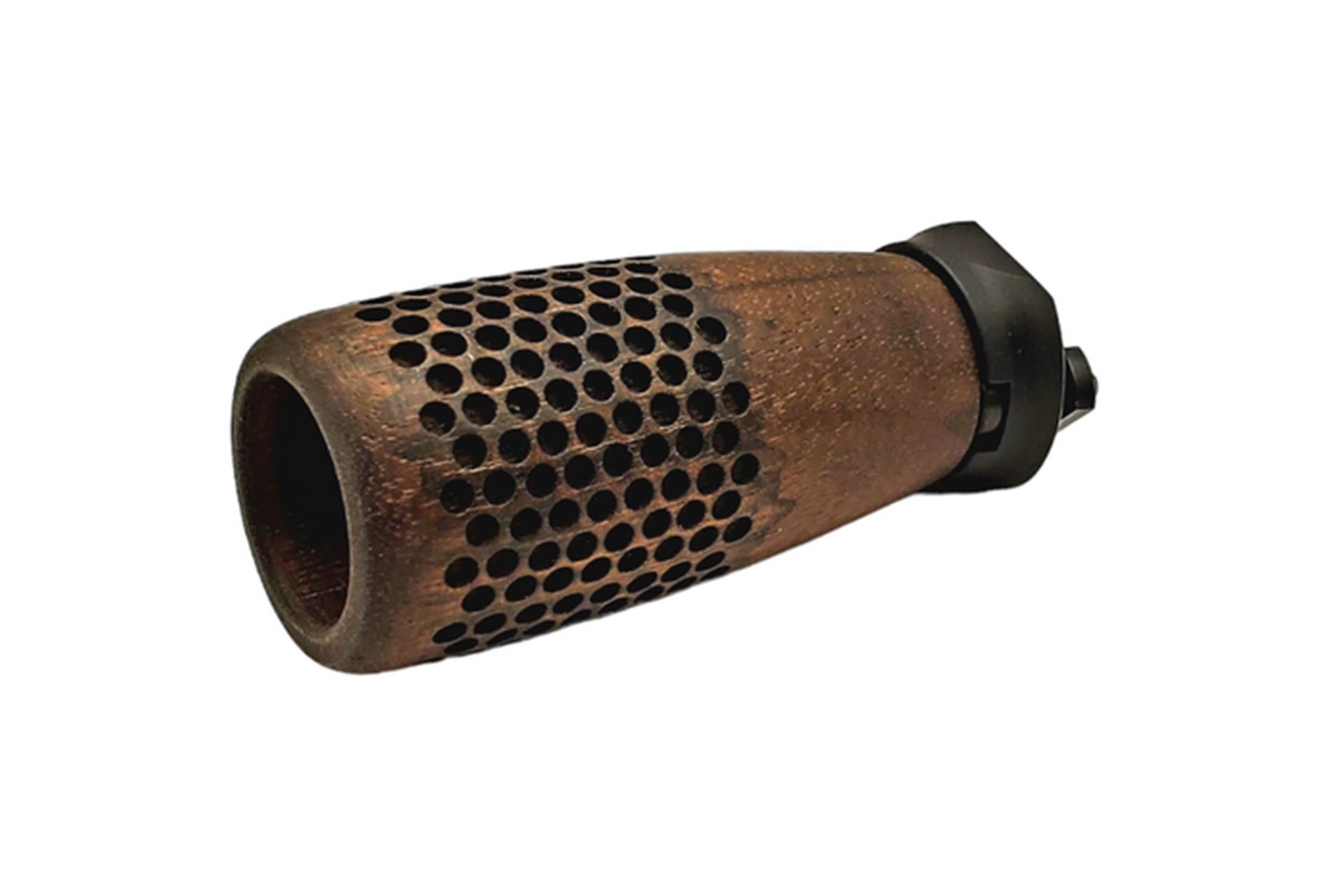
Many shooters begin with a basic vertical grip because it offers straightforward leverage and familiarity. Others gravitate toward angled designs for their natural feel and reduced strain. Handstops have also gained traction as a minimalist alternative that provides control without the bulk of a full grip.
Understanding the differences helps you match the accessory to your needs rather than following trends. Ergonomics, recoil management, and even legal considerations all play into the equation, and what feels revolutionary for one person might feel restrictive for another.
Understanding the Main Types of AR-15 Foregrips
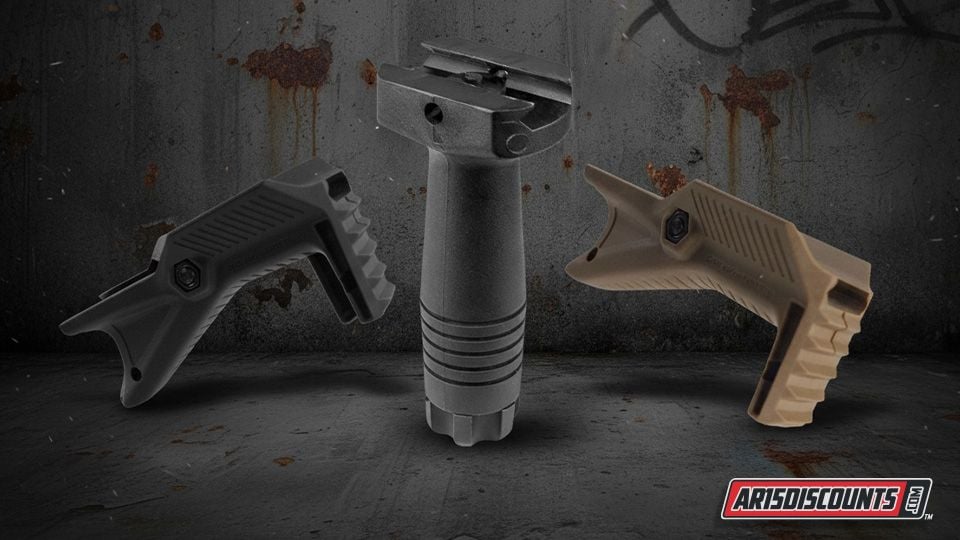
Vertical foregrips extend straight downward from the handguard at a 90-degree angle. They allow a full-hand grasp that pulls the rifle firmly into the shoulder pocket. This design excels at providing leverage against muzzle rise during rapid or sustained fire.
Shooters often appreciate the added stability when bracing against barricades or using the grip as a makeshift monopod for prone positions. Popular models include the Magpul M-LOK MVG for its lightweight and flush-mount design, the BCM Gunfighter Vertical Grip Mod 3 with its slight 5-degree cant and aggressive texture for versatile mounting in forward or reverse orientations, and the NBS Bipod Grip that combines a vertical hold with a deployable bipod for added utility in varied scenarios.
These grips continue to hold strong appeal for their reliability and heat-shielding properties during high-volume shooting.
Angled foregrips feature a rearward cant, typically between 20 and 45 degrees. This orientation aligns the support hand more naturally with the bore axis, reducing wrist deviation and promoting a relaxed posture. The result is less fatigue over time and smoother pointing of the rifle, where the muzzle follows your line of sight intuitively.
These grips often facilitate faster sight acquisition and target transitions because they support modern shooting stances with less arm pump. Standout options include the Magpul AFG2 for its classic ergonomic benefits and handstop-like function, the BCM Gunfighter KAG with its low-profile and biomechanical efficiency at around 20 degrees, and the Strike Industries Enhanced Angled Grip or LINK Cobra that incorporates cable management for cleaner, more organized builds.
Adjustable models like the Hera Arms HFGA and compact ones such as the Fortis Shift Short Angled Grip round out strong contenders for 2025 and beyond.
Handstops represent a different approach altogether. These small protrusions serve as a tactile barrier to prevent the support hand from sliding too far forward under recoil. They maintain a low profile while allowing the hand to rest directly on the handguard or adopt various grips without obstruction.
Handstops weigh very little and keep the rifle streamlined, making them ideal for those who want control without added bulk or potential snags. Examples include the NBS M-LOK Handstop, True North Concepts GripStop, Arisaka Defense Indexer, and Railscales options, which provide a consistent index point for repeatable hand placement even in dynamic or low-light conditions.
Foregrips for Home Defense Applications
Home defense scenarios demand reliability under stress, where fine motor skills may degrade and engagements often occur at close range with rapid movement through doorways or hallways. A vertical foregrip shines here because it delivers maximum leverage for pulling the rifle tight against the shoulder.
This positive hold helps maintain muzzle control during dynamic entries or when firing from unconventional positions like around corners. The added surface area provides confidence in high-adrenaline situations, and the grip can act as a heat shield if multiple rounds are needed. Many instructors recommend vertical options for these reasons, as they support deliberate control when every shot counts.
An angled foregrip offers advantages in maneuverability and reduced snagging on gear or furniture during room clearing. Its lower profile and natural wrist alignment allow quicker manipulations and fluid transitions between targets. For shooters who train with modern techniques emphasizing speed and retention, the angled design minimizes fatigue during practice sessions that simulate defensive drills.
Some angled models double as effective handstops due to their rearward slope, locking the palm in place to prevent forward slide while keeping the rifle agile in tight spaces.
Handstops appeal to those building compact or featureless configurations for compliance in restricted areas. They provide a secure index without classifying the rifle in ways that vertical grips sometimes do under certain regulations. The minimalist approach keeps weight down and avoids interference with slings or lights, which proves valuable in tight spaces where every inch of clearance matters.
Foregrips for Competition Shooting
Competition environments like 3-Gun, USPSA PCC divisions, or multi-stage matches reward speed, accuracy under time pressure, and endurance across long courses of fire. Angled foregrips dominate here for many shooters because they reduce wrist strain and enable faster splits and transitions.
The ergonomic alignment supports isosceles or modified stances that prioritize quick target acquisition, often shaving fractions of a second off stage times. With less bulk protruding from the rifle, angled grips minimize snags on barricades, props, or gear during movement.
Shooters report noticeable improvements in follow-up shots and overall comfort during extended matches, with some data suggesting 5 to 10 percent quicker follow-ups in drills due to better natural pointing.
Vertical foregrips still hold value in heavier divisions or setups with more recoil, such as those chambered in larger calibers. The superior downward pull helps tame muzzle rise for consistent hits on steel or tight arrays. They provide solid anchor points when pushing into barricades or stabilizing for precision shots.
However, the added bulk and potential for wrist fatigue can become drawbacks over a full day of competition, particularly as matches extend into hours of continuous activity.
Handstops offer a lightweight compromise for competitors who prefer a clean rail and versatile grip techniques. They support C-clamp holds or thumb-over-bore methods without restricting hand movement. For those running suppressed or lightweight builds, a handstop keeps the rifle balanced and responsive without unnecessary weight.
Foregrips for Hunting Scenarios
Hunting with an AR-15 involves carrying the rifle for hours over varied terrain, often requiring quick shouldering for opportunistic shots at moving game. Comfort and reduced fatigue become priorities, making angled foregrips a strong choice.
Their natural hand position minimizes strain during long stalks or waits in blinds, allowing all-day carry without arm pump or discomfort. The streamlined design reduces snagging on brush or clothing, and many angled grips provide enough control for steady offhand or supported shots at moderate ranges.
Vertical foregrips suit hunters who need extra stability for longer shots or when using the rifle from a seated or prone position. Models with bipod integration, such as the NBS Bipod Grip, offer dual functionality by deploying legs for rock-solid rests on uneven ground.
The leverage from a vertical hold helps manage recoil on follow-up shots if game requires it, and the grip can serve as a monopod against trees or rocks for added precision.
Handstops work well for minimalist hunting builds where every ounce matters during hikes. They prevent hand slippage without adding significant weight or profile, supporting natural grasps on the handguard for quick mounting. For hunters focused on lightweight setups or rugged environments, a handstop provides subtle control that blends seamlessly with the rifle’s balance.
When to Skip a Foregrip Altogether
Sometimes the best choice is no foregrip at all. If your rifle already feels balanced, points naturally, and delivers fast, consistent splits with a solid support-hand position on the handguard alone, adding any accessory can introduce unnecessary complications.
Extra hardware increases overall weight, creates new snag points on gear or obstacles, and may force awkward hand placement that leads to more fatigue rather than less. In minimalist builds, a completely smooth rail allows unrestricted grip options like a traditional hold or aggressive C-clamp technique.
Shooting without a dedicated foregrip or handstop works particularly well for those with strong fundamentals, mild-recoiling setups like standard 5.56 AR-15s, or when prioritizing snag-free movement in close quarters. The recoil impulse of most AR platforms travels straight back rather than sharply upward, allowing excellent control with proper technique alone.
This approach also avoids legal gray areas in restrictive jurisdictions where certain grips might complicate compliance or reclassify the firearm.
However, skipping accessories entirely requires confidence in your technique. Without a tactile index point, hand placement can become less consistent under stress or during sustained fire. For shooters who rely on precise, repeatable indexing or enhanced recoil management in rapid strings, a foregrip or handstop often proves beneficial.
What Works for One Person May Not Be Right for You
Personal preference plays the biggest role in choosing or rejecting a foregrip. Hand size, wrist flexibility, shooting stance, training background, and even the specific build of your rifle all influence what feels intuitive and effective.
One shooter might swear by a vertical grip for its raw leverage, while another finds it causes immediate wrist strain and prefers the relaxed alignment of an angled design. Some thrive with nothing more than a handstop, and others excel with a clean rail after refining fundamentals.
Trends from competition winners or tactical influencers can tempt shooters to copy setups that do not suit their own needs. What shortens splits for a competitive PCC shooter might slow transitions for a hunter in thick brush.
The only way to know is through experimentation. Run inexpensive options side by side in similar drills and pay attention to fatigue, control, and comfort over extended sessions. Your performance will reveal far more than any online debate.
Many shooters find angled foregrips offer the best overall versatility heading into 2026, blending speed, comfort, and compliance across applications. Others stick with vertical designs for maximum control, while handstops provide an effective middle ground.
Visit AR15Discounts.com to explore vertical grips, angled foregrips, handstops, and minimalist options. Whether you choose a BCM Mod 3, a Magpul AFG, an NBS handstop, or a clean rail, the right choice will enhance confidence and effectiveness with every pull of the trigger.
For home defense, many shooters prefer a vertical foregrip because it provides strong leverage to pull the rifle firmly into the shoulder, helping maintain control under stress. The full-hand grip can feel more secure when moving through tight spaces or firing from unconventional positions. That said, some shooters favor angled foregrips or handstops for their lower profile and reduced snag risk, especially in confined interiors. The best choice ultimately depends on what feels most controllable and natural during training.
Angled foregrips are generally favored in competition settings because they promote a more natural wrist angle and reduce fatigue over long stages. They support fast target transitions and modern shooting stances that emphasize speed and efficiency. Vertical foregrips still have a place in heavier or higher-recoiling setups, but many competitors find them bulkier and more tiring over extended match days.
For hunting, comfort and weight matter most. Angled foregrips are often a strong choice because they reduce wrist strain during long carries and do not snag easily on brush or clothing. Handstops also work well on lightweight hunting builds, providing a subtle index point without adding bulk. Vertical foregrips can be useful when additional stability is needed, particularly for supported or prone shots.
No. Legal status varies depending on firearm configuration and jurisdiction. Vertical foregrips are generally legal on rifles that meet overall length requirements, but they can be restricted or prohibited on AR-15 pistols under federal or state regulations. Laws can change and differ by location, so it is important to verify current federal, state, and local rules before installing any foregrip.
An angled foregrip positions the support hand in a more natural alignment with the forearm, reducing wrist deviation. This can improve comfort and consistency, allowing smoother tracking of the muzzle during recoil. While it does not eliminate recoil, it can help shooters manage it more efficiently by encouraging better body mechanics and natural point-of-aim.
A foregrip does not inherently increase mechanical accuracy, but it can improve practical accuracy by enhancing control and consistency. The added weight and placement can slightly change the rifle’s balance, which may feel beneficial or detrimental depending on the shooter. Some prefer the added forward weight for stability, while others find a lighter, cleaner rail easier to manage.
Polymer foregrips are lightweight, affordable, and insulate the hand from heat during extended firing. They are more than durable enough for most civilian and competition use. Aluminum foregrips offer a more rigid feel and premium construction but add weight and can transfer heat more quickly. Material choice comes down to priorities like weight, heat management, durability, and cost.
Start by identifying how you primarily use the rifle, whether for home defense, competition, hunting, or general range use. Consider comfort, wrist position, recoil control, and how the rifle feels during extended sessions. Trying different styles during practice is often the best approach. The right foregrip is the one that reduces fatigue, improves control, and feels intuitive for your body mechanics and training habits.