
Ammo
Why 5.56 Ammo Is Still America’s #1 Rifle Cartridge: A Deep Dive
Dec
Table of contents
- The Origins & Evolution of 5.56 NATO
- Why 5.56 Ammo Still Dominates in the U.S.
- 5.56 vs .223 Remington: Key Differences Explained
- Ballistic Advantages of 5.56 vs .300 BLK & 7.62×39
- Cost, Availability & The Growth of Bulk 5.56 Ammo
- Practical Applications: Home Defense, Training & Hunting
- How to Choose the Best 5.56 Ammo for Your Needs
- FAQs about 5.55 NATO AMMO
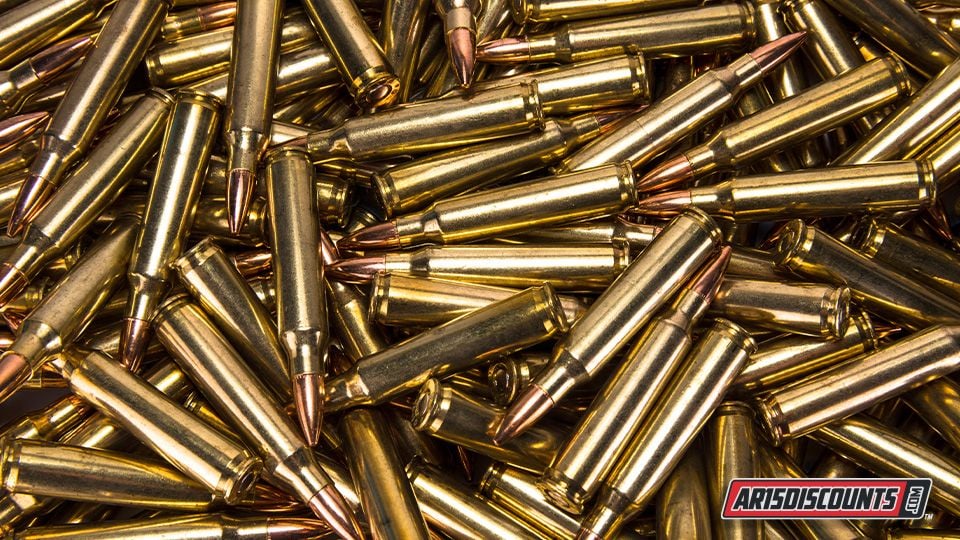
If you own an AR-15, chances are high your rifle eats 5.56 ammo. More than half a century after its adoption, 5.56 NATO ammo is still the number-one rifle cartridge in the United States. From range training and competition to home defense and varmint hunting, 5.56 remains the gold standard—not because it’s the newest round, but because it balances performance, cost, and availability better than almost anything else on the market.
In this deep dive, we’ll break down why 5.56 ammo continues to dominate, the difference between .223 vs 556 ammo, how it stacks up against alternatives like .300 Blackout and 7.62×39, why 556 bulk ammo is so affordable, and which loads are ideal for different use cases. Whether you’re exploring cheap 556 ammo, 556 subsonic ammo, or premium options like 77-grain 556 ammo, this guide will help you shop smarter and shoot better.
The Origins & Evolution of 5.56 NATO
The success of 5.56 NATO ammo begins with its development. In the mid-20th century, military researchers recognized that a lighter, high-velocity cartridge enabled soldiers to carry more ammunition while achieving faster follow-up shots and flatter trajectories. The 5.56×45 cartridge delivered precisely that. Its lighter recoil and impressive velocity made it an ideal pairing with modern lightweight rifles.
As the AR-15 platform migrated into civilian hands, many shooters gravitated toward the round for the same reasons the military chose it: it’s easy to shoot, highly controllable, and effective at typical engagement distances. Civilian shooters discovered the round worked exceptionally well for plinking, 3-Gun competition, and small-game hunting. Innovations in bullet design, including improved soft points, bonded projectiles, and match hollow points, further expanded its capabilities.
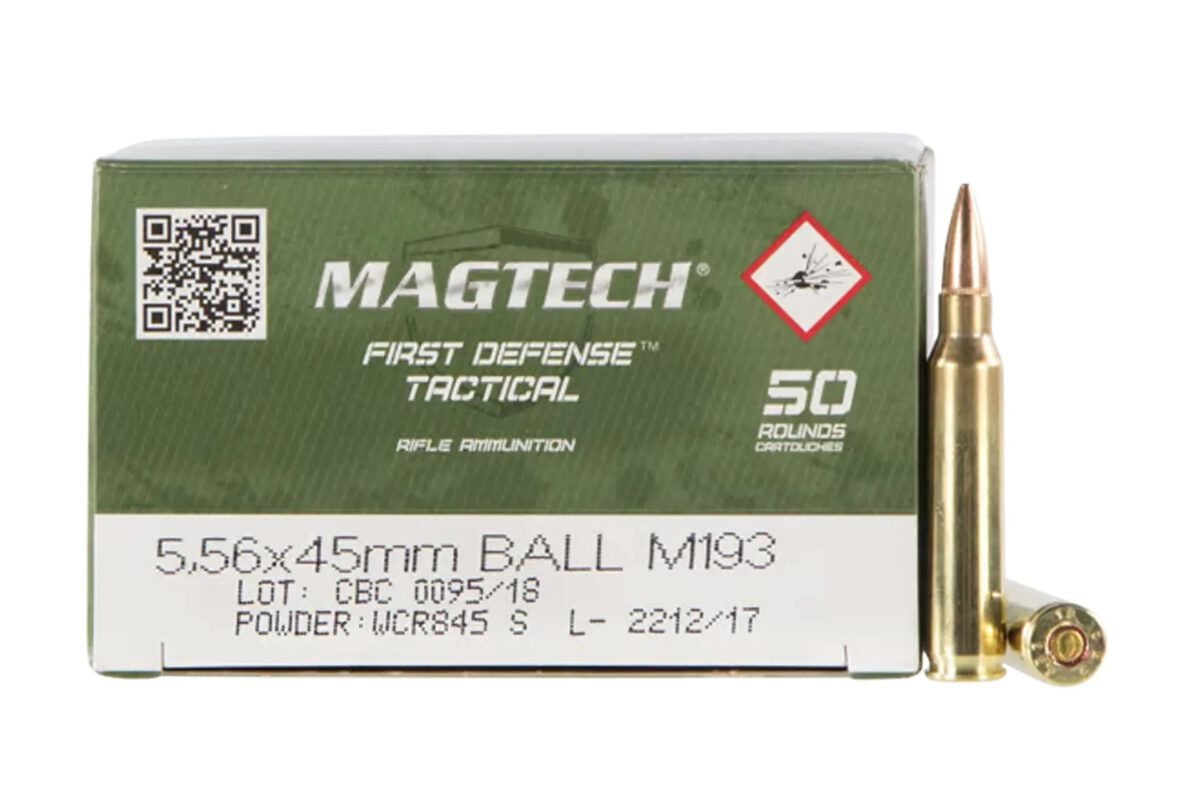
Today, the ecosystem supporting 5.56 NATO is enormous. Ammunition manufacturers like Federal, Winchester, PMC, Hornady, and Remington continually produce new variations—from surplus military ammo 556 green tip to barrier-blind defensive loads and match-grade long-range offerings. For American shooters, this rich marketplace means options for every budget and shooting style.
Why 5.56 Ammo Still Dominates in the U.S.
There are several reasons why 5.56 ammo remains the nation’s go-to rifle cartridge:
1. Platform Popularity
The AR-15 is the most commonly owned rifle in the United States, and most are chambered in 5.56 NATO. The ecosystem is deep—barrels, magazines, bolts, and accessories are all optimized for this round.
2. Recoil and Shootability
5.56’s soft recoil allows fast, accurate shooting. New shooters, youth shooters, and high-volume trainers all benefit from a cartridge that doesn’t induce fatigue.
3. Versatility
From cheap 556 ammo for plinking to premium defensive loads, 5.56 can serve nearly any purpose with the proper bullet construction. While not the most powerful cartridge, its balance makes it suitable for real-world use.
4. Availability
Because it’s so widely used—both militarily and commercially—5.56 is produced at a massive scale. That scale keeps 556 ammo price competitive and ensures it’s almost always on shelves or online.
5. Modern Performance
Advancements in bullet design continue to push the round’s capabilities forward. Bonded soft points perform well in lawfully defensive scenarios, while heavy match rounds like 75–77 grain loads stretch effective range.
Even as new cartridges emerge, the combination of availability, affordability, and updated performance keeps 5.56 ammo firmly in the lead.
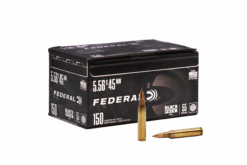
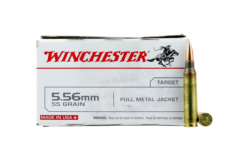
5.56 vs .223 Remington: Key Differences Explained
This question comes up constantly—so let’s break it down clearly.
Although .223 Remington and 5.56 NATO appear nearly identical, they are not the same. The key differences include:
1. Chamber Pressure
5.56 NATO operates at a higher pressure. That means firing 5.56 ammo inside a .223-only chamber can exceed safe limits. By contrast, .223 can be safely fired in a 5.56 chamber.
2. Chamber Dimensions
5.56 chambers typically have more throat/leade space, allowing for higher pressures and improved reliability.
3. Performance
5.56 generally delivers higher velocity, improved fragmentation performance, and better terminal ballistics when using duty-grade ammo.
Practical Rule of Thumb
- 5.56 chambered rifle → safe with both 5.56 and .223
- .223 chambered rifle → use .223 only
- .223 Wylde chamber → designed to shoot both with improved accuracy safely
This is also why some shooters specifically search for commercial 5.56 ammo or 5.56 nato ammo—because they want loads that take advantage of the NATO pressure spec.
Ballistic Advantages of 5.56 vs .300 BLK & 7.62×39
Shooters often compare 5.56 NATO to two other popular intermediate calibers: .300 Blackout and 7.62×39. Each caliber has its niche, but 5.56 remains the most balanced option.
5.56 vs .300 Blackout
- Velocity: 5.56 wins easily, with flatter trajectories and longer effective range.
- Suppressed Use: .300 BLK excels here, thanks to its heavy subsonic 5.56 ammo, which doesn’t offer the same level of expansion or mass.
- Magazine Capacity: Identical.
- Cost: 5.56 is almost always cheaper.
5.56 vs 7.62×39
- Recoil: 5.56 has significantly lower recoil.
- Accuracy: 5.56 tends to be more precise due to better bullet design and modern barrels.
- Barrier Penetration: 7.62×39 often outperforms here, though improved bonded 5.56 loads have narrowed the gap.
- Availability: While 7.62×39 is common, 5.56’s domestic manufacturing base makes it more stable in the U.S. market.
When you compare energy, shootability, price, and real-world application, 5.56 ammo still sits at the intersection of what most American shooters want.
Cost, Availability & The Growth of Bulk 5.56 Ammo
One of the biggest reasons 5.56 stays on top is affordability. Because domestic ammunition producers manufacture enormous quantities of 5.56 bulk ammo, pricing is often more stable than calibers reliant on imported supply.
Many shooters prefer:
- bulk 5.56 ammo
- 5.56 ammo 1000 count cases
- 5.56 ammo can packaging for long-term storage
Buying in bulk is attractive for training-heavy shooters and defensive households building a reserve for emergencies. For those searching for 5.56 ammo near me, bulk cases provide cost savings and reduce the need for frequent purchases.
Beyond cost, availability is key. During shortages or geopolitical events, calibers imported primarily from overseas tend to dry up. 5.56, however, remains more consistently stocked due to U.S.-based production from brands like:
- Federal 556 ammo
- Winchester
- PMC
- Hornady
- Remington
When shooters see fluctuations in 5.56 ammo price, it’s typically tied to market demand rather than structural supply issues—another advantage over niche rounds.
Practical Applications: Home Defense, Training & Hunting
Home Defense
Many shooters ask whether 5.56 ammo is suitable for home defense. High-quality defensive loads—bonded soft points or expanding projectiles—offer controlled expansion and reduced over-penetration compared with full-metal-jacket rounds. As always, shot placement and responsible storage matter most.
Training
Affordable 556 ammo lets shooters train more frequently without stretching their budget. Consistency builds skill, and few calibers offer high-volume training as affordably as 5.56.
Hunting
While not ideal for large game, 5.56 works well for varmints, coyotes, and small hogs when using expanding or bonded bullets. Check local regulations, as some states require minimum caliber thresholds.
Suppressed Shooting
Although 5.56 subsonic ammo exists, .300 BLK remains the superior subsonic option. However, for shooters who keep a 5.56 platform exclusively, subsonic loads can be helpful for quiet training or niche suppressed roles.
Overall, 5.56’s broad utility keeps it in unmatched demand.
How to Choose the Best 5.56 Ammo for Your Needs
Because the category is enormous, selecting the best 5.56 ammo depends on your use case:
Training / Range Use
- FMJ 55gr: Affordable, accurate enough, ideal for bulk purchase
- Look for bulk 5.56 ammo, 1000-round cases, or cheap 5.56 ammo
Home Defense
- Bonded Soft Points
- Barrier-Blind Loads
- Controlled-Expansion Ammunition
These loads balance penetration and terminal performance.
Competition / Accuracy
- 69gr–77gr Match Rounds
- These include the popular 77-grain 5.56 ammo category
- Excellent for distance shooting or accuracy-driven events
Subsonic Shooting
- Specialty subsonic 5.56 ammo exists, though it is more limited and designed for suppressor use within short barrels.
Green Tip / Surplus-Style
Shooters sometimes pick surplus military 5.56 green tip ammo for training, or for its mild steel-penetrating characteristics. Always ensure it is safe for use in your backstop, berm, or steel targets.
FAQs about 5.55 NATO AMMO
While the two cartridges look nearly identical, 5.56 NATO operates at higher pressures and is designed for chambers with more throat/leade space. Because of this, 5.56 is unsafe to fire in rifles chambered strictly for .223 Remington. However, .223 can be safely fired in a 5.56 rifle. Many shooters choose hybrid chambers like .223 Wylde to take advantage of both cartridges.
Its combination of low recoil, accuracy, affordability, and broad availability keeps it dominant. The AR-15 platform—a staple of American shooting culture—is optimized for 5.56 ammunition, and massive domestic production ensures shooters can always find options from training-grade FMJ to premium defensive and match loads.
Not safely. Because 5.56 ammunition generates higher pressures, firing it in a .223-only chamber can exceed safe pressure limits and may damage the firearm. Stick to .223 Remington for rifles marked exclusively for .223, or consider a 5.56 or .223 Wylde chamber for maximum versatility.
5.56 delivers a flatter trajectory, lighter recoil, and greater accuracy at mid-range distances. Compared with .300 Blackout, it offers higher velocity and better long-range performance. Compared with 7.62×39, it provides better accuracy and softer recoil. Each caliber has its niche, but 5.56 offers the most balanced performance for the broadest range of uses.
Yes—when paired with modern bonded soft points or controlled-expansion bullets. These designs reduce the risk of over-penetration compared to FMJ rounds and provide reliable terminal performance. As with any defensive ammunition choice, responsible storage, training, and understanding your environment are essential.
Massive demand and domestic manufacturing drive down cost. Because the U.S. military and civilian market both use 5.56 heavily, large-scale production keeps prices competitive and supply consistent. This is why cheap 556 ammo, bulk 556 ammo, and 556 ammo 1000-round cases remain widely available.
A 16-inch barrel offers an ideal balance of velocity, handling, and compliance with legal requirements for most civilian owners. Shorter barrels are more maneuverable but sacrifice some velocity, while longer barrels improve ballistic efficiency at the cost of increased weight.
Yes—within its limitations. 5.56 excels for varmints, coyotes, groundhogs, and small hogs when paired with expanding bullets. Some states restrict their use for deer or larger game, so always confirm local hunting regulations before heading out.
Why 5.56 Remains the American Standard
After decades of evolution, 5.56 ammo continues to dominate because it delivers exactly what most shooters want—reliability, affordability, and real-world versatility. Whether you’re training with cheap 5.56 ammo, storing bulk 5.56 ammo for emergencies, or choosing specialized loads like 77-grain 556 ammo or 5.56 subsonic ammo, the cartridge consistently performs across a wide range of applications.
Its strong availability, extensive platform support, and ongoing advancements in bullet design ensure that 5.56 remains the most practical and widely adopted rifle cartridge in the United States. For AR-15 owners looking to restock, upgrade, or explore new load options, the full selection of 5.56 ammo for sale from AR15Discounts.com offers dependable choices for every budget and mission.
For additional resources, check out our sister site at www.dirtybirdusa.com