
Ammo
Reloading Supplies 101: The Essential Tools Every Beginner Needs to Start Reloading Ammo
Feb
Table of contents
- Why Reloading Appeals to So Many Shooters
- Building Your Core Reloading Setup
- Long-Term Cost Benefits Compared to Factory Ammo
- The Single Most Critical Tool to Acquire First
- Staying Safe While Learning at Home
- Choosing a Forgiving Starting Caliber
- Reloading Supplies – Adapting Tools Across Calibers
- Space Considerations for Getting Started
- Smart Shopping Tips for Reloading Supplies Online
- Where to Buy Reloading Supplies Online

TL;DR- Too Long Didn’t Read
Reloading ammunition is both a precise craft and a practical solution for shooters, offering customization and cost benefits. This comprehensive guide provides insights for beginners into essential tools and techniques for safe and effective reloading.
- Reloading offers customization, knowledge building, and potential cost savings.
- A single-stage reloading press is crucial for beginners to master fundamentals.
- Safety first: set up in a distraction-free area and follow instructions precisely.
- Straight-walled pistol calibers are ideal for beginners due to simplicity and forgiving nature.
- Most tools are versatile across calibers; only dies and specific components vary.
- Long-term savings in reloading are significant compared to factory ammo, particularly for high-volume shooters.
- A basic setup fits into small spaces; good organization is key.
- Choose reputable online retailers for quality and reliable supplies.
Disclaimer: Reloading ammunition carries inherent risks, including equipment failure, improper component use, or incorrect load data, which can result in serious injury or death. Always adhere to manufacturer guidelines, use verified load data from reputable sources, and consult professionals if uncertain. AR15Discounts.com is not liable for any damages or injuries resulting from the use of this information. Proceed at your own risk.
Reloading your own ammunition transforms shooting from a simple hobby into a precise, hands-on craft that rewards patience with better performance and greater self-reliance. Beginners often start because they want tighter groups, consistent loads tailored to their firearms, or a dependable source of ammo when supplies run low. The process involves resizing fired cases, installing fresh primers, adding the right amount of powder, seating bullets, and crimping everything securely. While it requires learning and careful attention, a well-equipped setup makes the journey straightforward and enjoyable. This guide covers the fundamental reloading supplies needed to begin safely, focusing on quality basics that support long-term growth in the reloading world.
Why Reloading Appeals to So Many Shooters
The appeal lies in customization and control. You can fine-tune powder charges for optimal velocity, select bullets that match your barrel twist, and experiment with seating depths for superior accuracy. Reloading also builds knowledge of how components interact, turning every range session into an opportunity to refine your loads. During times of high demand or rising prices, producing your own rounds provides peace of mind. For most, the real value emerges after the initial setup, as reused brass and bulk components drive down costs while elevating the shooting experience.
Building Your Core Reloading Setup
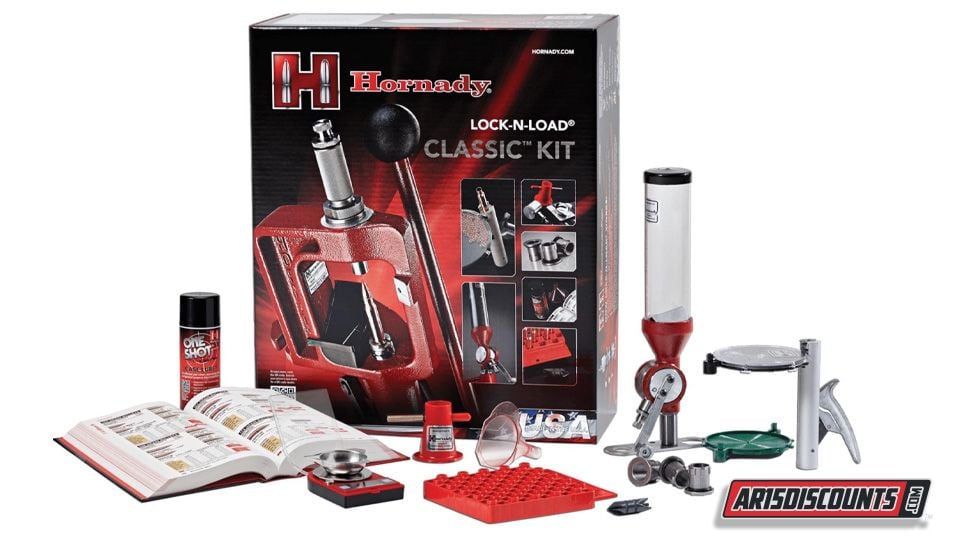
Every beginner needs a foundation of reliable tools that handle the main operations without overwhelming complexity. The reloading press forms the heart of the setup, serving as the workstation where cases get resized, deprimed, primed, charged, and completed. Single-stage presses excel for newcomers because they allow one deliberate step at a time, giving you full visibility and control to catch any issues early. Many affordable kits bundle a sturdy press with basic accessories, providing everything required to mount it securely and start working.
Dies represent the caliber-specific brains of the operation. A dedicated set for your chosen cartridge performs resizing to restore fired brass to factory dimensions, decapping spent primers, expanding the case mouth if needed, seating bullets to precise depth, and applying the final crimp. Start with a quality two-die or three-die set that matches your caliber for clean, consistent results.
Powder handling demands the highest precision since even tiny variations can affect pressure and safety. A digital scale or traditional beam scale delivers accurate measurements down to a tenth of a grain, while a powder measure or dispenser speeds up charging without sacrificing reliability. Always verify charges on the scale, especially when learning, to build good habits from day one.
Measurement tools keep everything in spec. Digital or dial calipers check case length, overall cartridge length, and bullet seating depth against published data, ensuring rounds chamber smoothly and function reliably. A basic case tumbler cleans brass thoroughly with media like walnut shells or corn cob, removing fouling and carbon buildup that could otherwise scratch dies or affect consistency.

Case preparation rounds out the essentials. A priming tool seats new primers uniformly, often as a handheld unit or one integrated with the press. Simple deburring and chamfer tools smooth case mouths after any trimming, preventing bullet damage during seating. A powder funnel guides charges into cases without spills, and a bullet puller lets you disassemble mistakes safely instead of risking them in a firearm.
In addition to quality reloading supplies, a comprehensive reloading manual remains non-negotiable. It supplies tested load data, pressure limits, cartridge diagrams, and troubleshooting advice from experts, serving as your primary safety reference throughout every session.
Long-Term Cost Benefits Compared to Factory Ammo
Reloading typically lowers expenses over time, especially for shooters who go through hundreds or thousands of rounds annually. Brass can be reused several times, and buying powder, primers, and bullets in larger quantities reduces the per-round price significantly. In premium or hard-to-find calibers, savings often exceed fifty percent. For everyday options, the reduction may hover between ten and thirty percent once equipment pays for itself. The equation favors frequent users who value the ability to create specialized loads, while casual shooters appreciate the customization more than pure economics.
The Single Most Critical Tool to Acquire First
Invest in a solid reloading press before anything else. It performs the bulk of the physical work and dictates how smoothly the rest of the process flows. A dependable single-stage model lets you master fundamentals at your own pace, inspect every operation closely, and correct errors immediately. Quality here sets the tone for your entire setup and prevents frustration down the line.
Staying Safe While Learning at Home
Home reloading stays safe through discipline and proper habits. Set up in a quiet, ventilated space free from distractions, and always wear eye protection. Follow manual instructions precisely, inspect brass for cracks or damage, weigh powder charges individually, and start with reduced loads to observe pressure signs. Small test batches help confirm reliability before committing to larger runs. Consistency and caution turn potential risks into manageable routines.

Choosing a Forgiving Starting Caliber
Straight-walled pistol calibers make the best introduction. They require less aggressive resizing, offer larger case mouths that reveal double charges easily, and operate at lower pressures that tolerate small variations better than bottleneck rifle rounds. Popular choices include common handgun options that pair well with abundant load data and inexpensive components, letting you concentrate on technique rather than overcoming tricky case geometry.
Reloading Supplies – Adapting Tools Across Calibers
Most equipment and reloading supploes stay universal, so you avoid buying duplicate presses, scales, or tumblers when expanding to new calibers. Dies and shell holders change with each cartridge, but the core tools remain constant. This flexibility keeps expansion affordable and lets you grow your capabilities gradually.
Space Considerations for Getting Started
A basic reloading bench fits in a corner of a garage, workshop, or spare room. Mount the press to a sturdy table edge, position the tumbler nearby or outdoors to manage dust and noise, and organize tools within arm’s reach. Adequate lighting and a clean workspace matter more than square footage. Many enthusiasts begin in compact areas and scale up naturally as interest grows.
Smart Shopping Tips for Reloading Supplies Online
Select established retailers with detailed product information, verified inventory for consumables like primers and powder, and positive feedback on shipping and support. Look for beginner-friendly kits that bundle presses, scales, and accessories at a value price. Compare options for calipers, tumblers, and dies while prioritizing reputable brands known for durability. Check return policies in case adjustments are needed, and focus on safety-critical items from trusted sources.
Equipping yourself with these essentials launches a rewarding pursuit that enhances every aspect of shooting. Begin modestly, prioritize learning over speed, and always treat safety as the foundation. Browse the reloading supplies collection to discover quality presses, dies, scales, and components ready to support your first loads and beyond.
Where to Buy Reloading Supplies Online
Many online retailers carry reloading supplies, but AR15Discounts.com is a practical choice for shooters who also run AR platforms or want a broad range of shooting equipment in one place. We stock reloading presses, dies, scales, powder measures, tumblers, and tools, along with reloading components such as brass, bullets, primers, and powder when available.
Our pricing stays competitive, and we focus on keeping popular items in stock to minimize delays during high-demand periods. Because we also carry AR parts, barrels, uppers, optics, and accessories, many customers appreciate being able to handle multiple needs in a single order.
If you’re ready to start reloading or upgrade your setup, visit the reloading supplies section at AR15Discounts.com. With the right tools, careful habits, and quality components, you can build safe, accurate, custom ammunition…one round at a time.
A beginner needs a single-stage reloading press (often included in starter kits), caliber-specific dies, a precise scale for powder measurement, digital calipers for checking dimensions, a case tumbler for cleaning brass, a priming tool, a powder funnel, basic case prep tools like a chamfer/deburring tool, and a trusted reloading manual with verified load data. Safety gear such as eye protection is also essential. Many starter kits bundle the press, scale, powder measure, and funnel together for convenience.
Yes, reloading usually becomes cheaper over time, especially for high-volume shooters. Savings come from reusing brass multiple times and buying powder, primers, and bullets in bulk. For common calibers, you can often reduce costs by 20-50% after the initial equipment investment is recovered. For low-volume shooters or expensive factory rounds, the savings may be smaller, but customization and availability during shortages often provide additional value beyond pure cost.
The reloading press is the single most important tool to purchase first. It serves as the central piece of equipment that performs resizing, decapping, priming, bullet seating, and crimping. A quality single-stage press gives beginners full control over each step, making it easier to learn properly, inspect work closely, and correct mistakes before they become problems.
Reloading is safe for beginners when done correctly and methodically. Work in a clean, well-ventilated, distraction-free area, wear eye protection, follow published load data exactly, weigh every powder charge, inspect brass for defects, and start with small test batches. The primary risks come from inconsistent powder charges, damaged components, or ignoring pressure signs, so strict adherence to safety practices and reloading manuals keeps the process reliable and low-risk.
Straight-walled pistol calibers such as 9mm Luger or .45 ACP are the best starting point for most beginners. These cases are simpler to resize, have larger case mouths that make double charges easier to spot, operate at lower pressures that are more forgiving of small variations, and have abundant load data and inexpensive components available. They allow newcomers to focus on learning the reloading process without the added complexity of bottleneck rifle cases.
No, most tools are universal and can be used across many calibers. The reloading press, scale, calipers, tumbler, priming tool, and powder measure typically stay the same. What changes with each new caliber is the die set (and sometimes the shell holder or powder funnel insert). This keeps expansion affordable—you only buy the caliber-specific dies when adding a new cartridge.
A basic setup requires only a sturdy workbench or table, typically 3–4 feet wide, in a garage, basement, spare room, or dedicated corner. The press mounts to the edge, with space nearby for the tumbler, scale, and tools. Good lighting, organization, and ventilation matter more than large square footage. Many beginners start in a compact area and expand later as needed.