
AR-15 Accessories, AR-15 Basics, AR-15 Parts
Choosing the Right Muzzle Device for Your AR-15 Upper Receiver
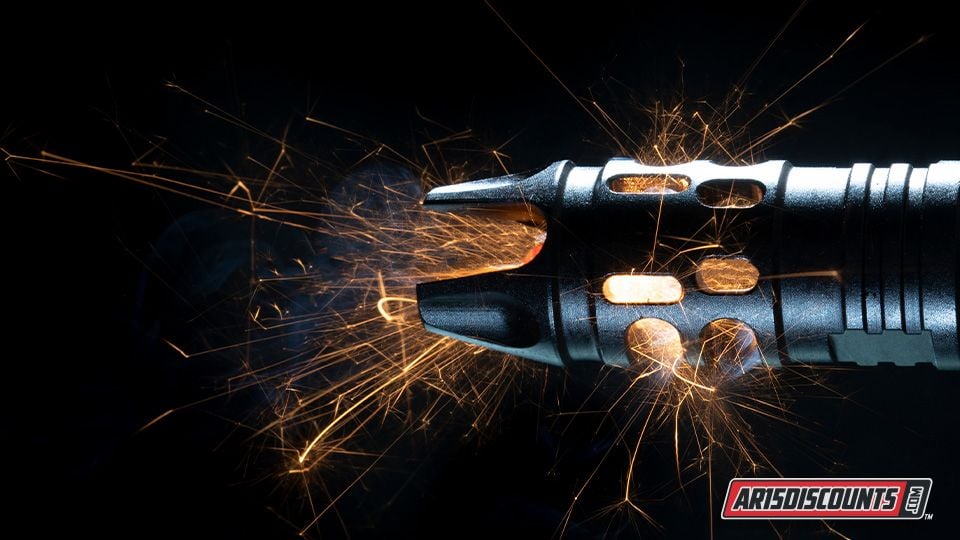
Mar
Table of contents
- What Is a Muzzle Brake and What Does It Do?
- What Is a Compensator and How Does It Work?
- Suppressor Compatibility Considerations
- Comparing Muzzle Brakes and Compensators for AR-15 Use
- Hybrid Brake/Compensators
- Recommended Muzzle Devices by Use Case
- Installation Considerations for Both Devices
- Legality and Practical Notes
- Final Thoughts

TL;DR- Too Long Didn’t Read
The blog provides a detailed exploration of muzzle devices, focusing on muzzle brakes and compensators, which are critical for modifying AR-15 rifles to manage recoil and muzzle movement effectively. The discussion helps shooters decide which device best suits their needs.
- Muzzle brakes significantly reduce felt recoil with side-facing ports but increase noise and side blast.
- Compensators primarily counteract muzzle rise, maintaining sight picture during rapid fire but also increase noise.
- Hybrid devices blend features of brakes and compensators, balancing recoil reduction with rise control.
- Suppressor compatibility is crucial for future-proofing muzzle devices, with some designed as quick-detach mounts.
- The legality of these devices is generally clear in the U.S., though laws should be reviewed locally.
- Installation requires attention to proper timing and alignment to ensure functionality and safety.
When outfitting an AR-15 upper receiver, the muzzle device stands as one of the most impactful upgrades for controlling recoil, managing muzzle movement, and tailoring the shooting experience to specific needs. Shooters frequently debate between a muzzle brake and a compensator, two muzzle devices that both redirect propellant gases but prioritize different aspects of firearm behavior.
A muzzle brake focuses primarily on slashing felt recoil for a smoother shooting cycle, while a compensator targets muzzle rise to keep the sights steady during rapid fire. Both outperform basic flash hiders in dynamic scenarios, yet each carries distinct advantages and drawbacks that can make one a clear winner depending on whether the priority leans toward recoil reduction or flat shooting for quick follow-ups.
Exploring the pros and cons of each helps clarify which option best suits competitive runs, high-volume training, or general range use on an AR-15 platform. Understanding real-world application recommendations further refines the decision for different shooting contexts.
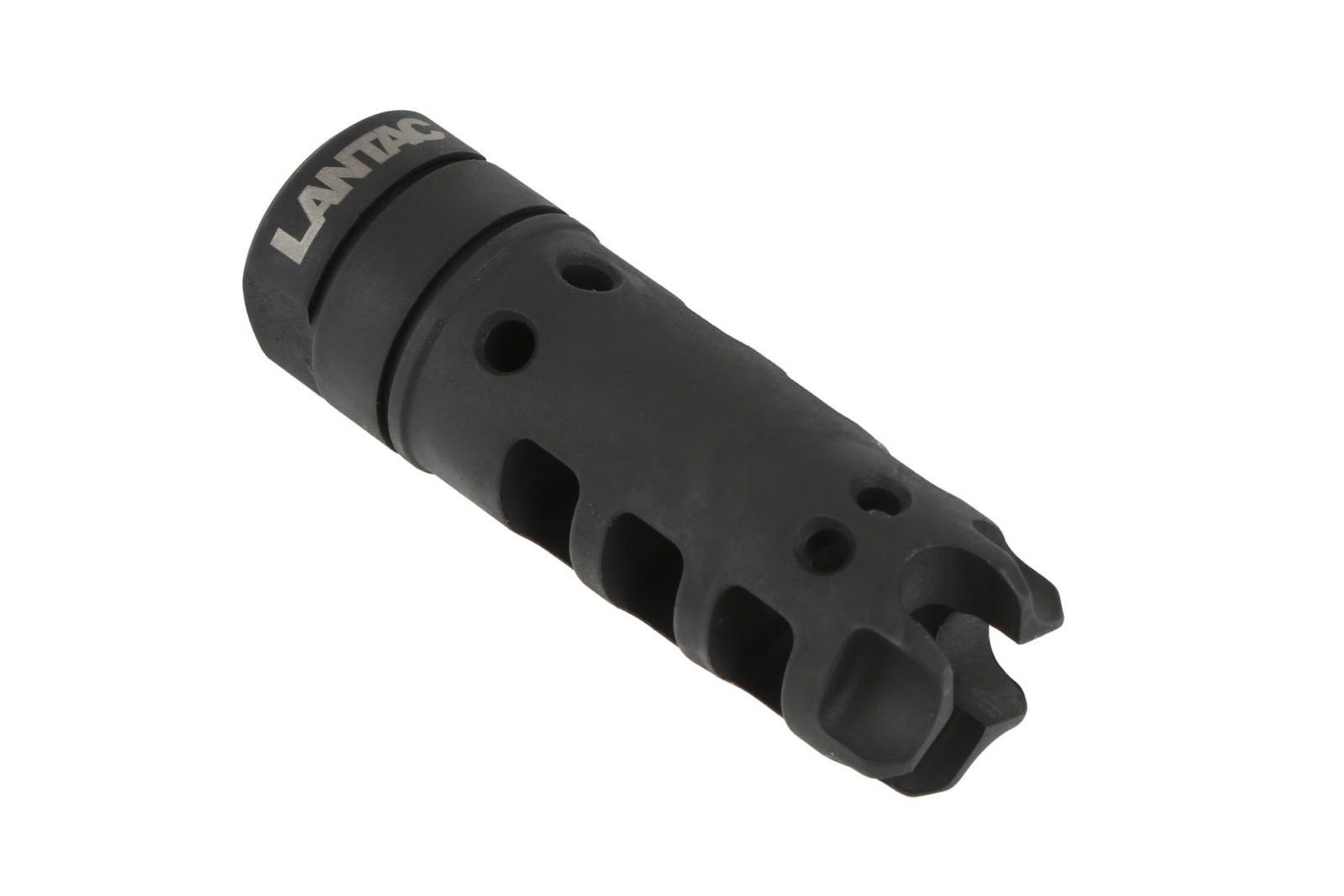
What Is a Muzzle Brake and What Does It Do?
A muzzle brake attaches to the barrel’s threaded end and uses side-facing ports to redirect escaping gases sideways or slightly rearward. This redirection creates a forward-pushing force that counters the rearward impulse of recoil.
On an AR-15 chambered in 5.56 NATO or .223 Remington, the device transforms the mild kick into an even milder push, often reducing felt recoil noticeably and minimizing overall muzzle movement. It excels at making the rifle feel flatter and more controllable, especially during strings of fire where maintaining sight picture matters.
Pros of a Muzzle Brake
Muzzle brakes deliver substantial recoil reduction, frequently cutting the rearward push by a significant margin compared to a bare muzzle or flash hider. This makes extended shooting sessions far less fatiguing and allows for quicker recovery between shots.
The device also provides solid control over muzzle rise in many designs, as top ports help counteract upward flip. For shooters who value a stable platform during rapid fire or who shoot heavier loads in larger calibers adapted to AR platforms, the brake offers tangible improvements in follow-up shot speed and practical accuracy.
Reduced flinching due to lower perceived recoil often translates to tighter groups under stress.
Cons of a Muzzle Brake
The primary drawback stems from the aggressive gas redirection, which dramatically increases side blast and concussion. This makes the rifle much louder for the shooter and anyone nearby, often to the point where it becomes unpleasant or disruptive at indoor ranges or crowded benches.
Dust kick-up becomes more pronounced when shooting prone or from barricades, and the increased noise can accelerate hearing fatigue even with protection. Some designs may shift point of impact slightly upon installation, necessitating a re-zero.
The added concussion also rules them out for certain tactical or team environments where blast direction matters.
What Is a Compensator and How Does It Work?
A compensator, sometimes called a comp, redirects gases primarily upward through top ports to generate downward force on the muzzle. This counters the natural tendency of the barrel to climb after each shot.
While it provides some recoil mitigation, its main strength lies in keeping the muzzle level for faster target reacquisition. On an AR-15, this results in exceptionally flat shooting during rapid strings, making it a favorite in competitive disciplines where split times and sustained accuracy under speed are critical.
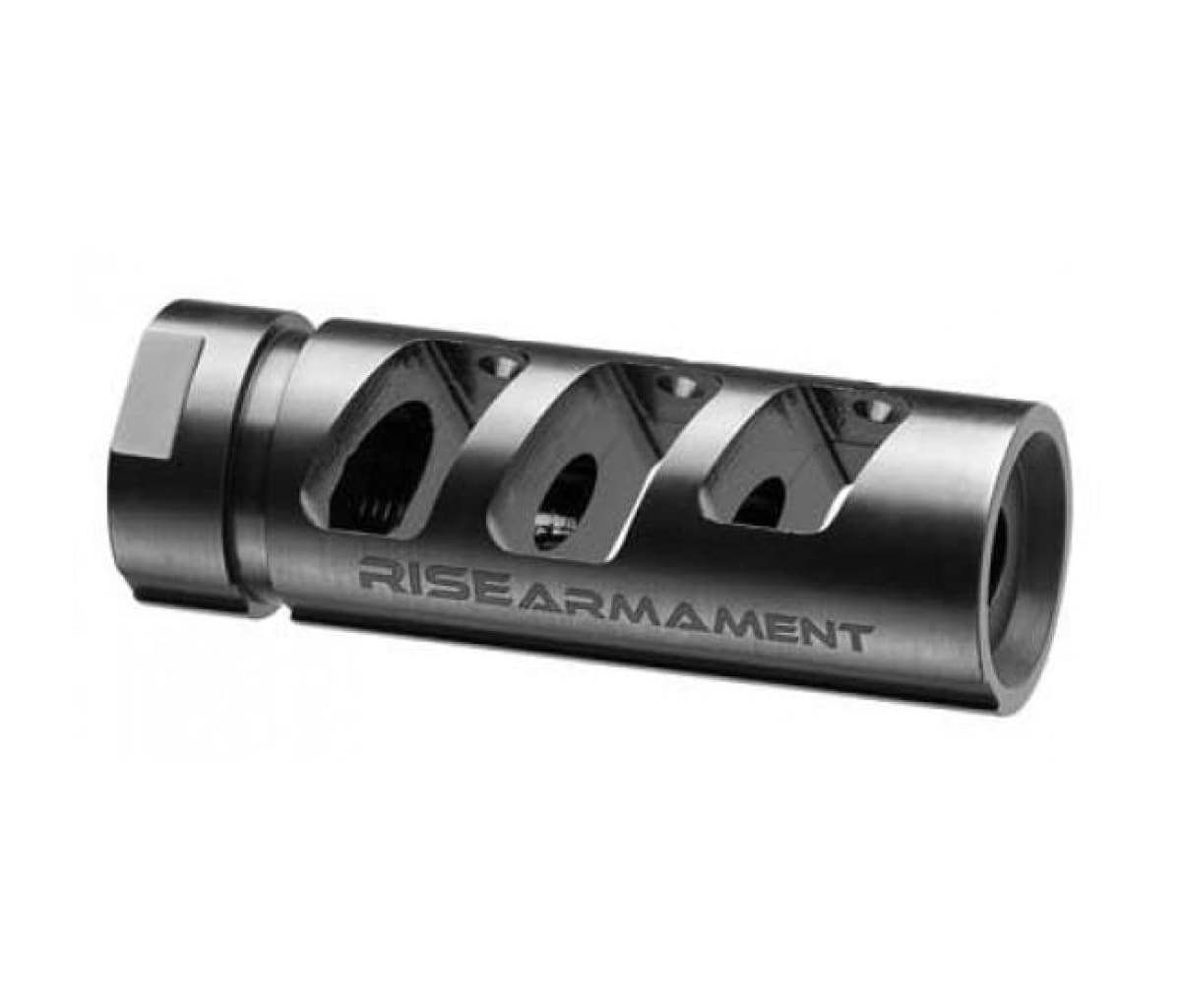
Pros of a Compensator
Compensators shine at minimizing muzzle rise, allowing the sights to stay closer to the target between shots without as much manual correction. This leads to quicker, more precise follow-ups and better performance in dynamic shooting.
Many designs balance recoil reduction with rise control, offering a flatter overall recoil impulse than a flash hider while producing less side-directed blast than a dedicated brake. The reduced vertical movement proves invaluable for high-speed drills, making the rifle feel more intuitive to control during mag dumps or transitions.
Cons of a Compensator
Although effective, compensators typically offer less raw recoil reduction than muzzle brakes, so the rearward push remains more noticeable in some setups.
They still increase noise and concussion compared to a flash hider, though usually less intensely than brakes due to more even gas distribution. Flash signature often increases without suppression features, which can be a drawback in low-light conditions.
Like brakes, they add weight to the muzzle and may require timing for optimal port alignment, potentially affecting barrel harmonics or requiring adjustments to maintain zero.
Suppressor Compatibility Considerations
If you plan to run a suppressor on your AR-15 in the future, choosing the right muzzle device becomes even more important to avoid wasting money on an incompatible option.
Many modern muzzle brakes and compensators serve as quick-detach (QD) mounts or direct-thread adapters for suppressors from brands like SureFire, Dead Air, SilencerCo, or Huxwrx. These suppressor-ready designs allow the suppressor to attach securely over or onto the device, preserving some of the recoil management benefits while adding sound reduction.
Pure muzzle brakes with aggressive side ports can sometimes work as hosts, but dedicated suppressor-compatible versions, such as the SureFire SOCOM Muzzle Brake or SilencerCo ASR Muzzle Brake, are engineered specifically for this purpose. These designs often provide better alignment, reduced erosion on the suppressor baffles, and seamless QD functionality.
Standard compensators or brakes without suppressor mounting features may require removal and replacement later, leading to extra costs and hassle. Planning ahead by selecting a device compatible with your intended suppressor system ensures versatility without compromising performance when shooting unsuppressed.
Comparing Muzzle Brakes and Compensators for AR-15 Use
Both devices enhance control over the AR-15’s recoil dynamics far beyond a standard A2 flash hider, yet their strengths diverge based on shooting style.
Muzzle brakes prioritize rearward recoil mitigation, making them ideal for scenarios where minimizing push and fatigue takes precedence, such as precision work or longer sessions with larger calibers. Compensators excel in pure muzzle stability, proving superior for rapid-fire applications where keeping the dot or reticle planted matters most.
Many modern designs blur the lines by incorporating elements of both, but pure brakes lean toward side venting for recoil focus, while compensators emphasize top venting for rise reduction.
Shared drawbacks include heightened noise, increased blast affecting bystanders, and potential dust issues, though brakes amplify these side effects more aggressively. When suppressor use enters the picture, compatibility often tips the scales toward hybrid or purpose-built options that function well in both roles.
Hybrid Brake/Compensators
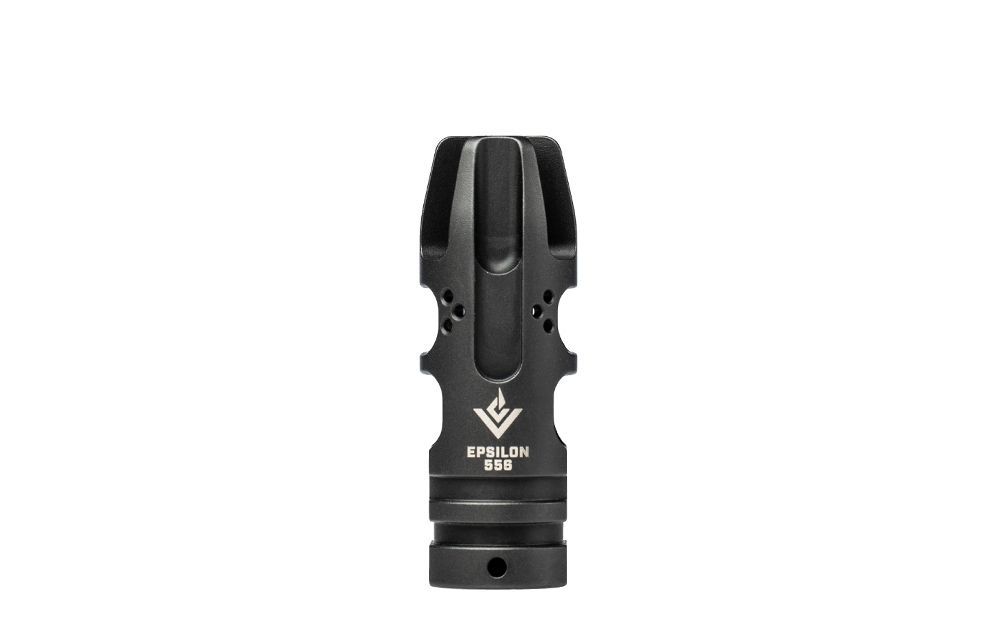
Hybrid muzzle devices offer a practical compromise for AR-15 owners by blending features of muzzle brakes and compensators into one unit. They provide balanced recoil reduction and muzzle rise control without fully committing to the extremes of either type. These devices typically use a combination of side ports to cut felt recoil and top or angled ports to keep the muzzle flatter. Many designs also include elements that help reduce flash signature. This all-around approach delivers noticeable gains in follow-up shot speed and overall control. Hybrids produce less aggressive side blast and concussion than a dedicated brake. They also offer better recoil mitigation than a pure upward-venting compensator. These devices suit shooters who want reliable performance across training, dynamic drills, competition, or general use rather than specializing in one narrow goal. Hybrids often create a more comfortable noise level, reduced dust kick-up in prone positions, less disruption to bystanders, and added flexibility. This flexibility proves especially valuable if suppressor compatibility is a future consideration, since many are designed with quick-detach or direct-thread mounting in mind. For those seeking an effective upgrade that enhances handling broadly without major trade-offs in everyday shooting, a well-made hybrid frequently stands out as the most sensible choice.
Recommended Muzzle Devices by Use Case
Home Defense
For home defense scenarios with an AR-15, a standard flash hider or a hybrid device that includes effective flash suppression remains the most recommended muzzle device. It minimizes muzzle flash to preserve night vision and avoid temporarily blinding yourself or family members in low-light indoor or nighttime situations.
Flash hiders also keep blast and noise at more manageable levels compared to aggressive brakes or compensators. These benefits outweigh the recoil control advantages offered by competition-style devices when quick, accurate shots in confined spaces matter most.
Competition Shooting
For competition shooting, particularly in fast-paced disciplines like 3-Gun, USPSA, or practical rifle matches, a dedicated compensator often edges out as the top choice.
Its upward gas redirection excels at flattening muzzle rise, allowing the sights or red dot to stay planted on target for lightning-quick follow-up shots and transitions without constant manual correction. This results in faster split times and better overall speed under pressure.
A pure muzzle brake provides excellent recoil reduction for a push-forward feel but often produces more disruptive side blast. For this reason, many competitors choose hybrid comp/brake designs that balance recoil control with muzzle stability.
General Range Use and Training
For general-purpose range use, training, or mixed applications, the decision depends on your primary focus.
Choose a muzzle brake if reducing felt recoil and fatigue during extended sessions is the priority. Choose a compensator if superior muzzle stability during dynamic drills or rapid fire is the main goal.
If future suppressor use is likely, selecting a compatible QD or direct-thread version helps maintain versatility without replacement costs.
Installation Considerations for Both Devices
Installing either a muzzle brake or compensator follows similar steps to ensure proper function and safety.
Secure the unloaded rifle and remove the existing device by turning it counterclockwise. Clean the barrel threads thoroughly and apply a crush washer or appropriate shim kit for proper timing.
Hand-thread the new device until snug, then torque it to specification while aligning the ports correctly. Proper timing ensures the gas redirection works as intended.
If you are uncertain about the process, professional installation helps prevent issues such as crown damage, improper alignment, or accuracy problems.
Legality and Practical Notes
In most U.S. jurisdictions, both muzzle brakes and compensators remain legal without federal restrictions, unlike suppressors.
In California, they are often used as compliant options on semi-automatic rifles where flash hiders may trigger feature restrictions, provided the overall rifle configuration avoids prohibited features.
Always confirm local laws before installing new firearm components, but in most cases these devices represent straightforward upgrades that do not require special paperwork.
Final Thoughts
Ultimately, the choice between a muzzle brake and a compensator depends on your priorities as a shooter.
For maximum recoil reduction and a push-forward shooting impulse, a muzzle brake offers unmatched performance at the cost of increased blast and noise. For flatter shooting and rapid follow-up shots in competitive or dynamic environments, a compensator provides superior muzzle control.
Either option enhances the handling of an AR-15 upper receiver, transforming an already capable platform into a more controllable and enjoyable rifle. If suppressor use may be part of your future setup, choosing a compatible device now can save money and effort later while preserving flexibility for different shooting roles.
A muzzle brake reduces the felt recoil of a firearm by redirecting the gases that exit the barrel when a shot is fired. By venting gas to the sides or slightly rearward, the brake counteracts the rearward movement of the rifle. This helps the shooter maintain better control and recover more quickly between shots.
A muzzle brake is a firearm attachment that threads onto the muzzle (front end) of a rifle barrel. It contains ports or chambers designed to redirect expanding gases when a round is fired. This redirection helps reduce recoil and muzzle movement, making the firearm easier to control.
Yes, muzzle brakes are generally legal in California. In fact, they are commonly used on California-compliant rifles because flash hiders can be restricted on certain semi-automatic rifle configurations. A muzzle brake reduces recoil but does not reduce flash in the same way a flash suppressor does, which is why it is typically allowed. Always verify current state and local laws before installing firearm components.
A muzzle brake works by redirecting the high-pressure gases that follow a bullet out of the barrel. Instead of allowing those gases to exit straight forward, the brake forces them sideways or backward through ports. This creates a forward force that counteracts the backward recoil of the rifle, reducing the amount the firearm moves after each shot.
To install a muzzle brake, first ensure the firearm is unloaded and safe. Remove the existing muzzle device by turning it counterclockwise. Clean the barrel threads, then place a crush washer or shims onto the threads if required. Thread the muzzle brake on by hand until snug, then tighten it with the proper wrench while aligning the ports correctly. Proper timing ensures the brake works as intended.
Muzzle brakes generally do not harm accuracy and can sometimes improve practical accuracy by reducing recoil and muzzle movement. This allows shooters to stay on target more easily during follow-up shots. However, installing a new muzzle device may slightly shift the rifle’s point of impact, so it is recommended to re-zero the rifle after installation.
Yes, muzzle brakes significantly reduce recoil. By redirecting propellant gases to the sides or rear, the brake pushes the rifle slightly forward and counteracts the backward force generated when a round is fired. This makes the firearm feel softer to shoot and easier to control during rapid fire.
In most places in the United States, muzzle brakes are legal firearm accessories and are not regulated under federal law. State and local laws may vary, so it is important to check your local regulations before installing one on a firearm.