
AR-15 Parts, AR-15 Triggers
Best AR-15 Triggers of 2026
Mar
Table of contents

TL;DR- Too Long Didn’t Read
The blog discusses the significance of AR-15 trigger upgrades in enhancing rifle shooting experience through control, accuracy, and enjoyment.
- AR-15 triggers significantly influence the rifle’s shooting performance and feel.
- Choosing between single-stage and two-stage triggers depends on the rifle’s purpose and shooter preferences.
- Factors like pull weight, break quality, and reset are critical in selecting the right trigger.
- Options include traditional kits and convenient drop-in triggers, each catering to different needs.
- Legal considerations are crucial, especially for specialized trigger systems like binary triggers.
The blog primarily draws insight from personal expertise without citing external sources.
AR-15 triggers can affect the rifle’s feel more than many shooters expect. A trigger upgrade does not change how the rifle looks. It can change how the rifle shoots almost immediately. A heavy, gritty trigger can make a rifle feel less refined. It can also make the rifle harder to run with confidence. A smoother, more consistent trigger can improve control and accuracy. It can also make the rifle more enjoyable to shoot.
That is why many shooters pay close attention to trigger setup. Some want a cleaner break for range use. Others prefer a more deliberate feel for precision work. Some want to replace a basic factory fire-control group. They want something more polished and predictable. AR-15 triggers come in many styles and designs. It helps to understand the basics before choosing an upgrade.
The good news is that no single trigger fits every shooter. The better approach is to match the trigger to the rifle’s role. It should also match your preferences behind the gun. A range rifle may need different trigger characteristics. A general-purpose carbine may need something else. A precision-oriented setup may benefit from a different feel. AR15Discounts offers a wide variety of options. That makes it easier to compare styles, brands, and price points. The key is knowing which features truly matter. The rest comes down to personal preference.
Why the AR-15 Trigger Matters
The trigger is the shooter’s direct connection to the rifle’s firing cycle. Because of that, small changes in trigger feel can have a big effect on the overall shooting experience. When shooters talk about a trigger feeling “better,” they are usually talking about some combination of pull weight, smoothness, creep, break, and reset. Even if the rifle is already reliable and accurate, a better trigger can make it easier to take advantage of that accuracy more consistently.
A factory AR-15 trigger is often built to be dependable and affordable, but that does not always mean it feels especially refined. Many stock triggers have a pull that feels heavier than necessary or a break that feels less crisp than a shooter would prefer. That does not automatically make them bad. In fact, a standard trigger may be perfectly acceptable for many people. But once someone spends time behind a higher-quality trigger, it becomes easier to understand why upgrades are so popular.
A refined trigger can help the shooter press through the shot with less disruption to the sight picture. It can also make follow-up shots feel more controlled thanks to a clearer reset. None of this means a trigger upgrade is magic, and it certainly does not replace good fundamentals. But it is one of the most noticeable changes a shooter can make if the goal is to improve feel and consistency without changing the rifle’s basic character.
For that reason, the best AR-15 trigger is not always the lightest or the most expensive. It is the one that delivers the right balance of control, predictability, and confidence for the rifle’s intended use.
Single-Stage vs. Two-Stage AR-15 Triggers
For most buyers, the first real decision is whether they want a single-stage or two-stage trigger. This is where a lot of the conversation begins, and for good reason. These two trigger types can feel very different, even when both are high quality.
A single-stage AR-15 trigger has one consistent movement until the shot breaks. There is no clearly defined first stage followed by a separate wall. Instead, the shooter applies pressure, and the trigger breaks within that single motion. Many shooters like this design because it feels simple, direct, and fast. A good single-stage trigger can feel crisp and predictable, which makes it especially popular on general-purpose rifles, range rifles, and many performance-oriented setups.
A two-stage AR-15 trigger works differently. The shooter takes up the first stage, which is usually lighter and more deliberate, and then reaches a second stage where the final break occurs. Many shooters like this design because it gives them a more defined sense of control before the shot breaks. That can be especially appealing on rifles set up for more precise shooting, where a deliberate press matters just as much as a clean break.
Neither style is automatically better. It really comes down to feel and intended use. Some shooters prefer the immediacy of a single-stage trigger because it feels cleaner and more straightforward. Others prefer the structure of a two-stage trigger because it provides more feedback during the press. The best way to think about it is that a single-stage trigger tends to feel more direct, while a two-stage trigger tends to feel more deliberate.
This is also where personal preference matters more than many spec sheets suggest. One shooter may love the feel of a flat-faced single-stage trigger, while another may shoot better with a traditional curved two-stage design. There is no universal answer, which is why reading product descriptions carefully and comparing intended applications can be more useful than chasing trends.
What to Look for in an AR-15 Trigger Upgrade
Once you understand the difference between single-stage and two-stage designs, the next step is figuring out what actually makes one trigger more appealing than another. The first factor is pull weight. Pull weight gets a lot of attention, but it should not be the only thing guiding a decision. A very light trigger may sound appealing on paper, but lighter is not always better for every rifle. For many shooters, especially on general-purpose carbines, a moderate, controllable pull weight offers better balance than an ultralight setup.
The second factor is break quality. A clean break makes the shot feel more predictable. Instead of a vague or mushy press, a quality trigger has a distinct point at which the shot releases. That cleaner break is one reason so many shooters feel an immediate difference after upgrading.
Reset is another important piece of the puzzle. A trigger with a clear, positive reset often feels easier to run consistently, especially during range sessions where follow-up shots matter. It gives the shooter better feedback and can make the rifle feel more responsive without changing the platform’s fundamentals.
Trigger shoe shape also deserves some attention. Flat trigger shoes have become increasingly popular because they offer a different finger position and a more modern feel. Many shooters like the straight profile and the sense of consistent placement it provides. Curved triggers remain popular as well because they feel traditional, familiar, and comfortable. This is one of those decisions that often comes down to what feels natural in the hand rather than one style being objectively superior.
Brand reputation also matters, though mainly because it reflects quality control, consistency, and long-term trust. A Timney trigger for AR-15, for example, appeals to many shooters because Timney has a strong reputation for a clean, refined trigger feel. That does not mean it is the right answer for every build, but it does explain why premium brands continue to attract buyers seeking a higher-end upgrade.
At the same time, value still matters. A budget-friendly trigger that feels noticeably better than a factory unit may be a smarter fit for many shooters than a premium model that exceeds their actual needs. The goal should be to find the best match, not simply the most expensive upgrade.
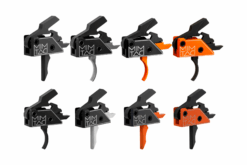
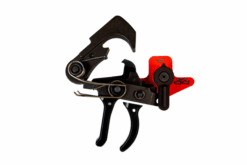
Drop-In Triggers, Trigger Kits, and Supporting Parts
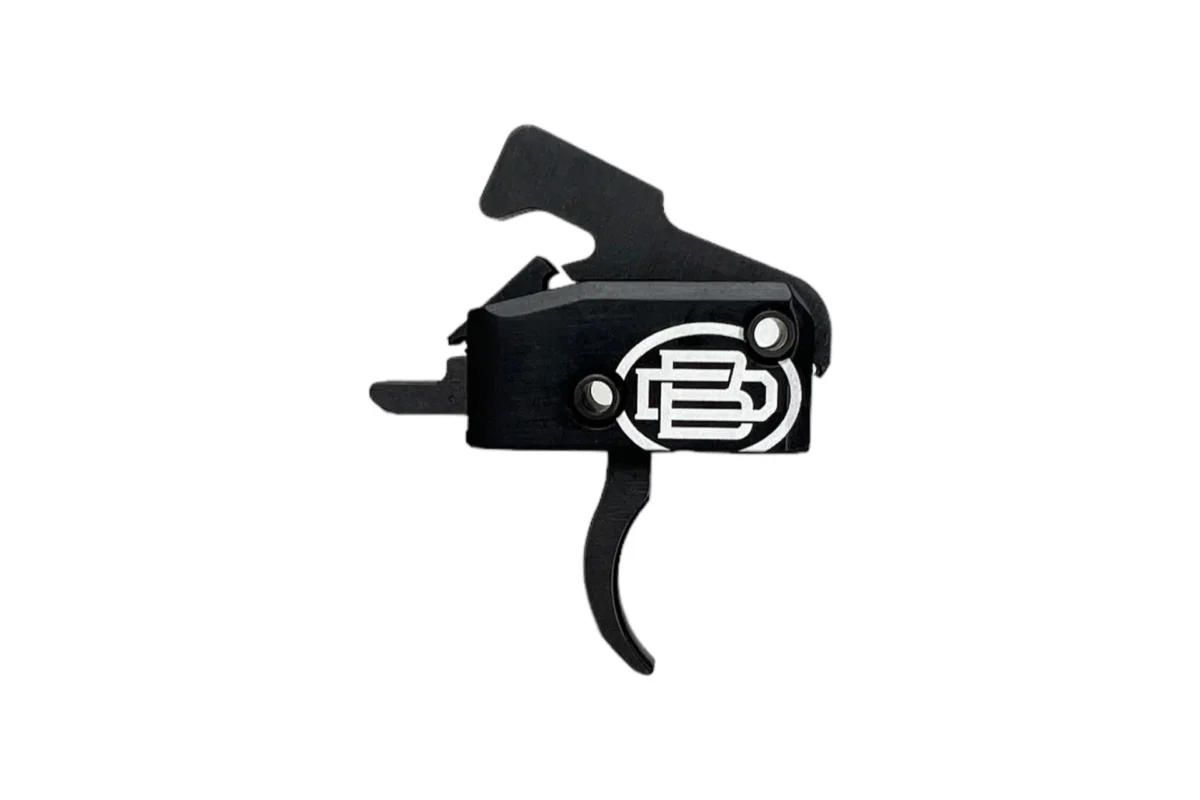
A lot of confusion in the trigger category comes from how broad the term “trigger upgrade” can be. Some shooters want a traditional AR-15 trigger kit. That usually means replacing the fire-control components with a standard-style assembly. Others want a drop-in AR-15 trigger. Those come as self-contained cassette-style units.
Traditional trigger kits appeal to buyers who want a familiar layout and a straightforward replacement. They can also be a more budget-friendly upgrade path. For some shooters, that is more than enough. They do not need a match-style trigger or a premium cassette unit. They just want something that feels better than a basic factory setup.
Drop-in triggers have become popular because they place the trigger components in a single, contained assembly. This design is often linked to convenience and a cleaner feel. It also makes it easier to compare options across brands. Many shooters choose a drop-in AR-15 trigger because it offers a polished upgrade path. It does that without requiring separate trigger components.
Supporting parts deserve more attention than they usually get. An AR-15 trigger guard may not change the break or reset. It can still improve comfort and usability. Oversized or enhanced trigger guards can provide more room for use with gloves. They can also give the lower a more finished look. It is a small upgrade, but it can still make sense.
The same is true for AR-15 trigger pins. Some upgraded triggers include anti-walk pins or similar hardware. Other builds may need replacement pins during a lower refresh. These details are easy to overlook. Still, they matter when the goal is a setup that feels complete and well-sorted.
For many shooters, it helps to think of the trigger area as a system. The trigger
Binary Triggers, Specialized Designs, and Legal Considerations
The AR-15 trigger category also includes more specialized products that draw attention for different reasons. One of the most talked-about examples is Franklin Armory’s binary-trigger AR-15 category. A binary trigger differs from a standard semi-automatic trigger design and naturally attracts shooters seeking a different shooting experience than a traditional single-stage or two-stage trigger offers.
There is also frequent discussion around the AR-15 FRT trigger category. These products have received significant legal scrutiny and should not be treated the same way as ordinary sporting or general-purpose trigger upgrades. Anyone researching an AR-15 FRT trigger should understand that this area is far more legally sensitive than a typical trigger purchase.
That is why it is important to approach specialized trigger categories carefully and responsibly. Laws can vary by jurisdiction, and enforcement positions can change over time. A trigger that is lawful in one place may not be lawful in another, and that is especially true with binary and forced-reset designs. Before considering an AR-15 binary trigger or any other specialized trigger system, buyers should review current federal, state, and local law and consult authoritative sources where needed.
For most rifle owners, the practical decision usually comes back to traditional semi-automatic trigger options. A quality single-stage, two-stage, or drop-in trigger will meet the needs of the vast majority of shooters and offer the clearest path to a better overall shooting experience. Specialized systems may generate curiosity, but for many people, a refined conventional trigger is the more sensible and versatile choice.
Customer Pics for Best AR-15 Triggers of 2026
AR-15 triggers are no longer a niche upgrade for enthusiasts chasing tiny performance gains. They have become one of the most practical ways to improve how a rifle feels in real use. The best triggers of 2026 stand out not because they all do the same thing, but because each one serves a different type of shooter well. Some are built around a crisp single-stage break. Others offer a more deliberate two-stage pull that appeals to precision-minded shooters. There are also drop-in options that make a noticeable difference in feel without overcomplicating the upgrade path. The strongest choices are those that combine a solid reputation, consistent performance, and a trigger feel that matches the rifle’s role.
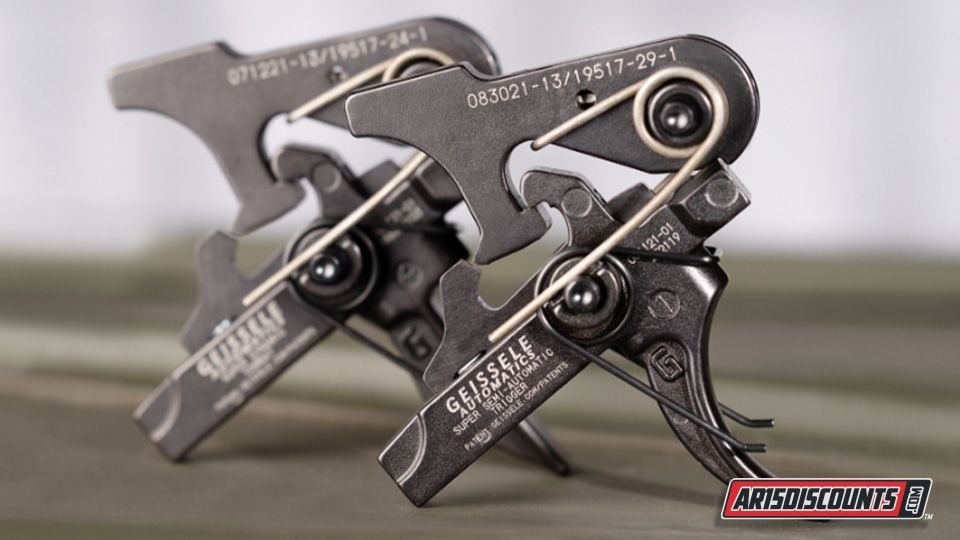
Geissele G2S
The Geissele G2S remains one of the most respected two-stage triggers for shooters who want a controlled, repeatable pull. It offers the deliberate feel Geissele is known for, making it a strong fit for general-purpose rifles and more precision-oriented setups alike.
Timney AR-15 Competition Trigger
Timney continues to be a top choice for shooters seeking a premium single-stage trigger with a crisp break and refined feel. It is a natural choice for anyone looking for a cleaner, more polished shooting experience from a trusted brand.
TriggerTech AR-15 Competitive
TriggerTech has earned attention for its clean break and minimal creep. It is well-suited for shooters who want a modern, performance-focused trigger that feels precise and consistent from shot to shot.
RISE Armament RAVE 140
The RAVE 140 remains one of the strongest value picks in the category. It offers a noticeable improvement over many factory triggers and gives shooters an accessible way to step into the drop-in trigger market.
CMC Single-Stage Drop-In Trigger
CMC has long been a familiar name in self-contained trigger upgrades. Its single-stage drop-in models appeal to shooters who want a straightforward upgrade with a crisp feel and a well-established reputation.
Franklin Armory BFSIII
The BFSIII stands apart as one of the most recognized binary trigger options. It appeals to shooters looking for a specialized trigger system, though it also requires careful attention to current laws and regulations before purchase.
FAQs
Choosing an AR-15 trigger often comes down to feel, purpose, and budget. These common questions can help clarify the category.
For many shooters, yes. A trigger upgrade can improve consistency, reduce unwanted creep, and make the rifle feel easier to shoot well. It is often one of the most noticeable upgrades on the platform.
A single-stage trigger breaks through one continuous press. A two-stage trigger has an initial take-up followed by a second, more defined stage before the break.
A drop-in AR-15 trigger is a self-contained trigger unit. Many shooters like them because they simplify the upgrade process, though installation decisions should always prioritize safety and manufacturer guidance.
That depends on the rifle’s role. A general-purpose AR-15 often benefits from a moderate pull weight that balances control and confidence, while some precision or competition setups may lean lighter.
Most shooters prefer a reliable, predictable trigger with a moderate pull weight rather than an extremely light design. Control and consistency matter more than chasing the lightest break possible.
A value-oriented mil-spec replacement or an affordable drop-in trigger can both be good choices. The best budget option is usually the one that offers a cleaner feel without sacrificing reliability.
Neither is universally better. Flat triggers offer a different finger placement and feel, while curved triggers remain familiar and comfortable for many shooters.
Some shooters are comfortable with common upgrades, but a qualified gunsmith is the better choice anytime there is uncertainty about fit, function, or safety.
Trigger creep is the movement you feel before the trigger breaks. Trigger reset is the forward movement required before the trigger is ready for the next shot.
Not always. Some triggers are compatible across both platforms, while others are not. It is important to confirm platform compatibility on the product page before buying.
Safety/Legal Note
Always confirm compatibility before purchasing parts, follow the manufacturer’s instructions, and safely function-check any firearm after maintenance or upgrades. Laws vary by state and locality, especially for specialized trigger systems. This article is for general informational purposes only and is not legal advice.
Conclusion
A better trigger will not redefine an AR-15, but it can completely change how the rifle feels to shoot, shot after shot. That is why trigger upgrades remain one of the most meaningful changes a shooter can make. The right trigger can deliver a cleaner break, a more consistent reset, and a level of control that makes the rifle feel more refined every time it is used. Whether you prefer a traditional AR-15 trigger kit, a convenient drop-in option, or premium Timney triggers, the best choice comes down to how you use your rifle and what feels most natural behind the trigger. If you are ready to upgrade, explore the selection of AR-15 triggers at AR15Discounts to find an option that fits your rifle, your shooting style, and your budget.
It also helps to think beyond the trigger alone. Parts such as an AR-15 trigger guard and trigger pins may seem secondary, but they can still contribute to a more complete, better-sorted lower. When you look at the rifle as a system instead of a single upgrade, it becomes easier to choose parts that work together in a practical way.
If you are ready to compare options in more detail, AR15Discounts is a solid place to explore a wide range of AR-15 trigger styles, supporting parts, and established brands, all in one place, with enough variety to suit different budgets and rifle setups.
For additional resources, check out our sister site dirtybirdusa.com.